Saint profile
John Chrysostom
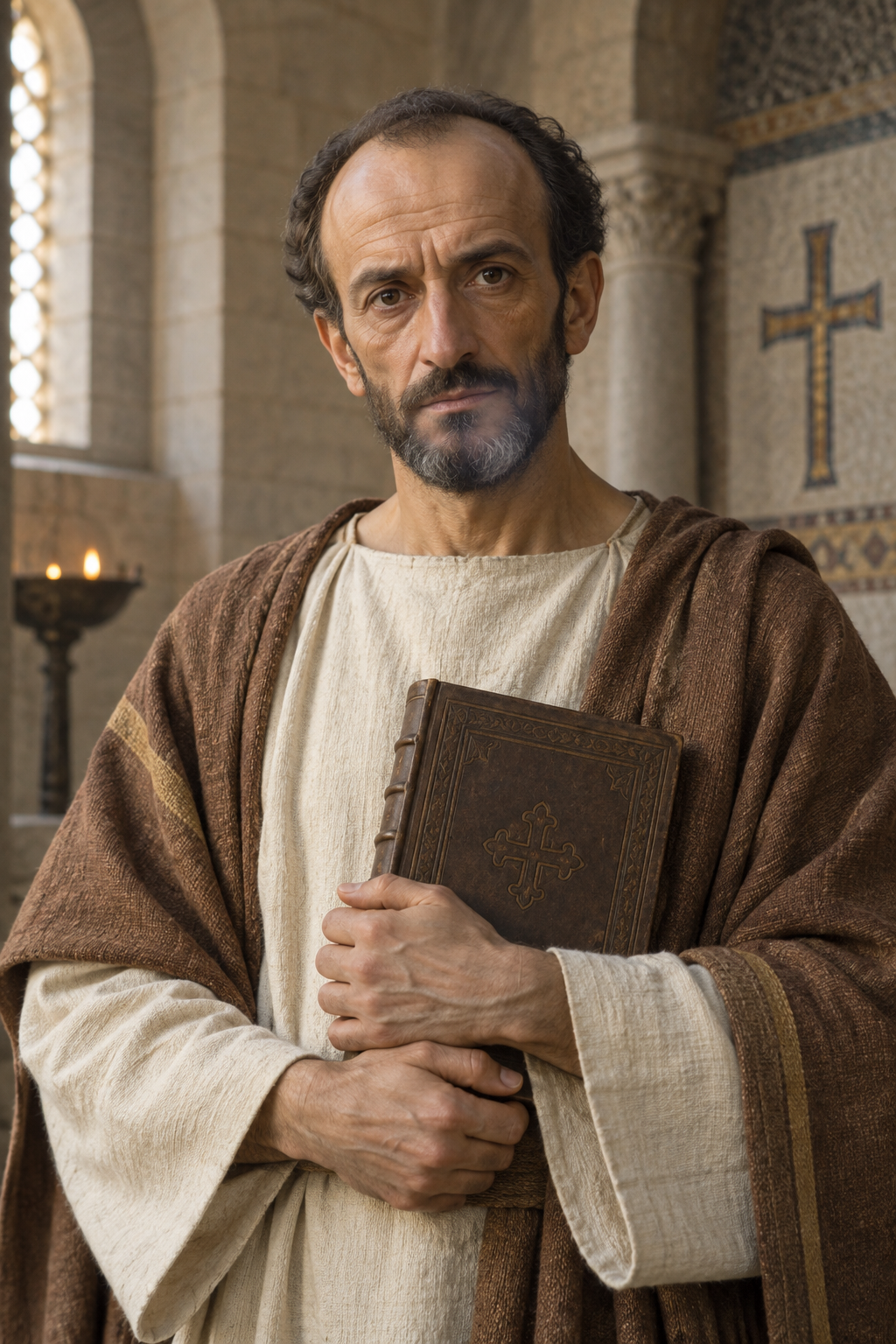
About John Chrysostom
John, surnamed Chrysostom ("golden-mouthed") for his eloquent preaching, was Archbishop of Constantinople and one of the greatest Christian preachers and biblical interpreters. Born in Antioch to Christian parents, John was educated in rhetoric under Libanius, the most famous pagan orator of the age.
After his baptism around age 18, John studied theology and lived as a hermit-monk in the Syrian mountains for six years, practicing extreme asceticism that damaged his health permanently. He returned to Antioch and was ordained a deacon (381) and priest (386).
For twelve years in Antioch, John preached, gaining fame for his biblical homilies delivered to packed congregations. His sermons explained Scripture verse-by-verse with practical applications, denouncing vice and luxury while encouraging charity and virtue. His series on Genesis, Psalms, Matthew, John, Acts, and Paul's epistles are masterpieces of biblical exposition.
In 398, against his will, John was appointed Archbishop of Constantinople, the imperial capital. He immediately began reforms: reducing episcopal luxury, redirecting funds to hospitals and the poor, reforming clergy, and confronting the wealthy and powerful about their excess while the poor starved.
John's prophetic criticism made powerful enemies, particularly Empress Eudoxia, whom he criticized (perhaps indirectly) for seizing a widow's vineyard. Archbishop Theophilus of Alexandria, long-time rival, conspired with Eudoxia to depose John through a corrupt synod (the "Synod of the Oak") on spurious charges.
John was exiled in 403, but popular outrage and an earthquake led to his immediate recall. However, after John criticized the erection of a silver statue of Eudoxia near his cathedral, he was exiled again in 404. He was sent to remote Caucasus, then force-marched to an even more remote location. The journey's hardships killed him on September 14, 407.
John's last words were "Glory to God for all things." Thirty years later, his body was returned to Constantinople with great honor. His reputation as biblical commentator, preacher, and prophet who spoke truth to power endures. He is one of the Four Great Doctors of the Eastern Church and a Father and Doctor of the Universal Church.