Saint profile
Maximus the Confessor
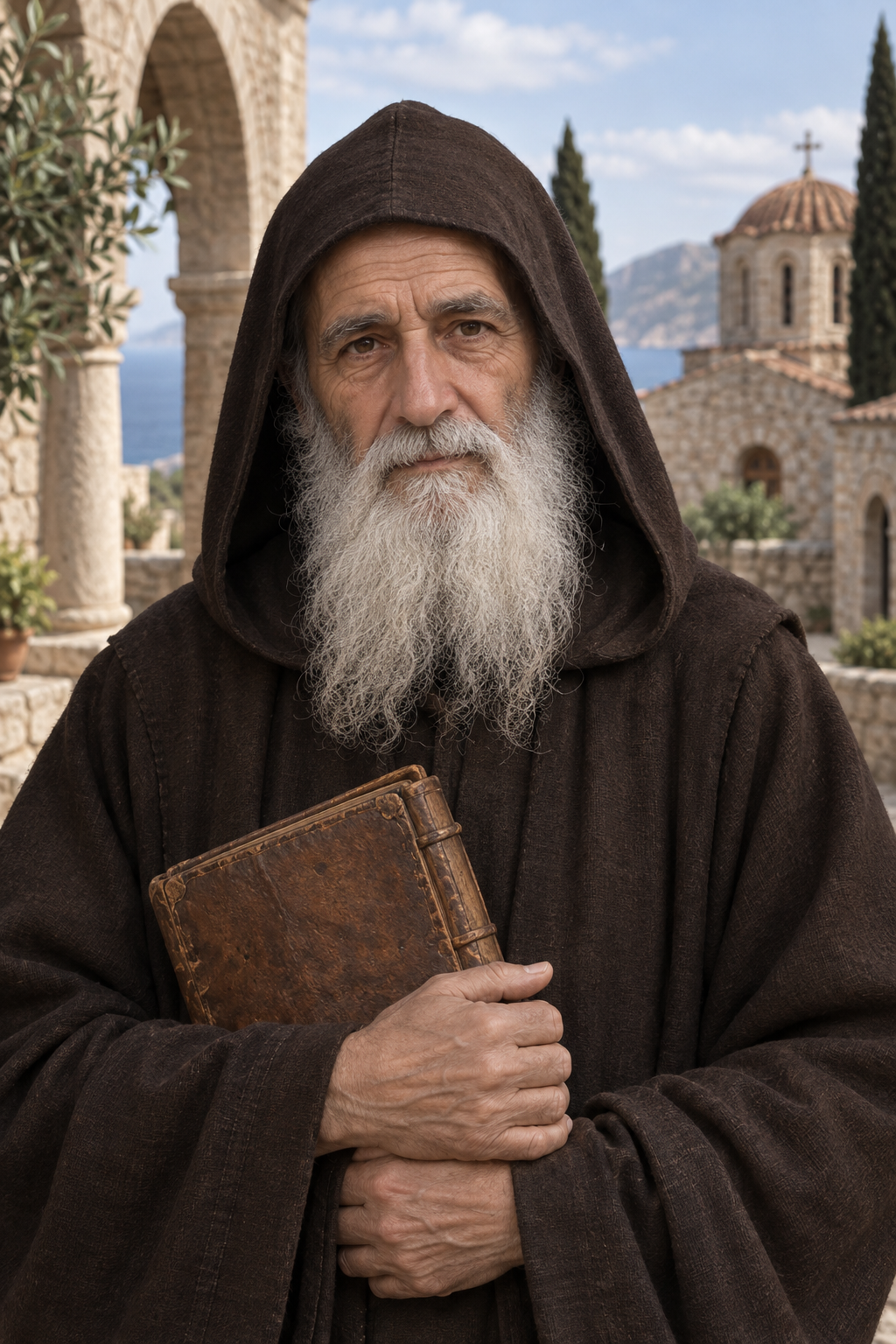
About Maximus the Confessor
Maximus the Confessor was a Byzantine monk, theologian, and defender of orthodox Christology who suffered for the faith without dying as a martyr. Born to a noble family, Maximus served as imperial secretary to Emperor Heraclius before becoming a monk around 613. He opposed Monothelitism—the heresy promoted by emperors that Christ had only one (divine) will—arguing Christ must have both divine and human wills to be fully God and fully man, and that the human will must freely cooperate with the divine. When Emperor Constans II issued the Typos forbidding discussion of Christ's wills, Maximus courageously opposed imperial policy. He was arrested, tried for treason, and exiled multiple times. Finally, at age 82, Maximus was brutally tortured—his tongue was cut out and his right hand cut off to prevent him from speaking or writing against the heresy. He died in exile in 662. The Third Council of Constantinople (680-681) vindicated Maximus, condemning Monothelitism and affirming Christ has two wills. His profound theology influenced Eastern Christianity, explaining the Incarnation, deification (theosis), and contemplative life. Honored as "Confessor" for suffering without martyrdom.