Saint profile
Justin Martyr
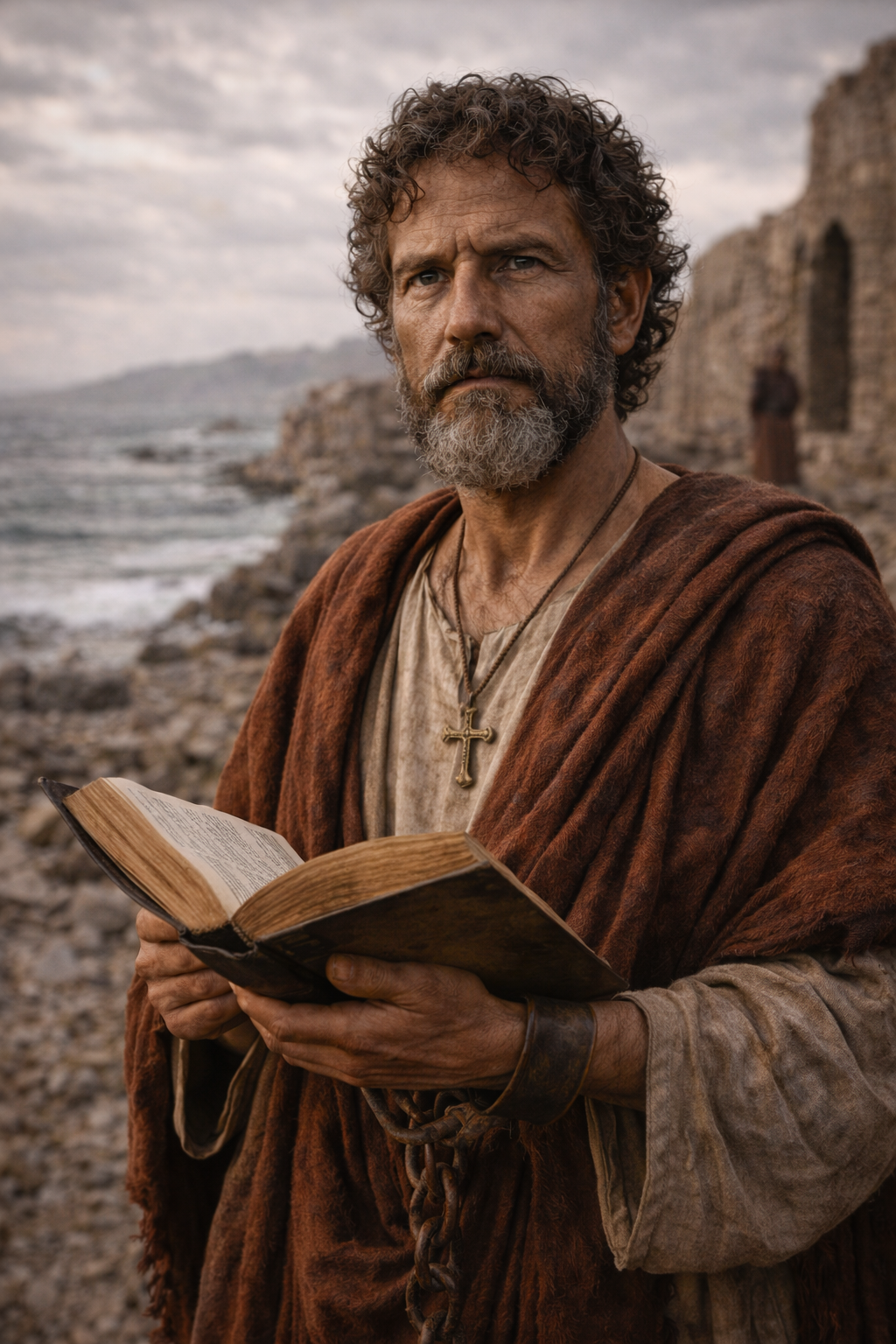
About Justin Martyr
Justin, known as Justin Martyr, was one of the earliest and most important Christian apologists (defenders of the faith). Born to pagan Greek-speaking parents in Flavia Neapolis (ancient Samaria), he spent his early life seeking philosophical truth, studying various schools including Stoicism, Aristotelianism, Pythagoreanism, and Platonism.
Justin's conversion to Christianity occurred around 130 AD after an encounter with an old man near the sea who challenged his philosophical assumptions and introduced him to the Hebrew prophets and Christ. Justin found in Christianity the true philosophy he had been seeking—the complete and reliable system of truth. Notably, he continued wearing his philosopher's robes after conversion, seeing no conflict between reason and faith.
He established a Christian school in Rome and wrote several important works defending Christianity against both Jewish and pagan critics. His most significant surviving works are his "First Apology" (addressed to Emperor Antoninus Pius around 155 AD) and "Second Apology" (to the Roman Senate), plus his "Dialogue with Trypho," a defense of Christianity against Jewish objections.
In his Apologies, Justin described Christian worship practices, including the Eucharist and baptism, providing invaluable historical evidence for early Christian liturgy. He defended Christians against charges of atheism, immorality, and disloyalty, while arguing that Christianity was the fulfillment of both Greek philosophy and Hebrew prophecy. He introduced the concept of the "logos spermatikos" (seeds of the Word), suggesting that all truth comes from Christ, even truth discovered by pagan philosophers.
Around 165 AD, Justin was arrested with six companions and brought before the prefect Rusticus. When ordered to sacrifice to the Roman gods, Justin refused, declaring his faith in Christ. After being scourged, he and his companions were beheaded.
Justin's intellectual approach to faith, his dialogue with culture, and his martyrdom made him a model for Christian philosophers and apologists throughout history.