Saint profile
Tertullian
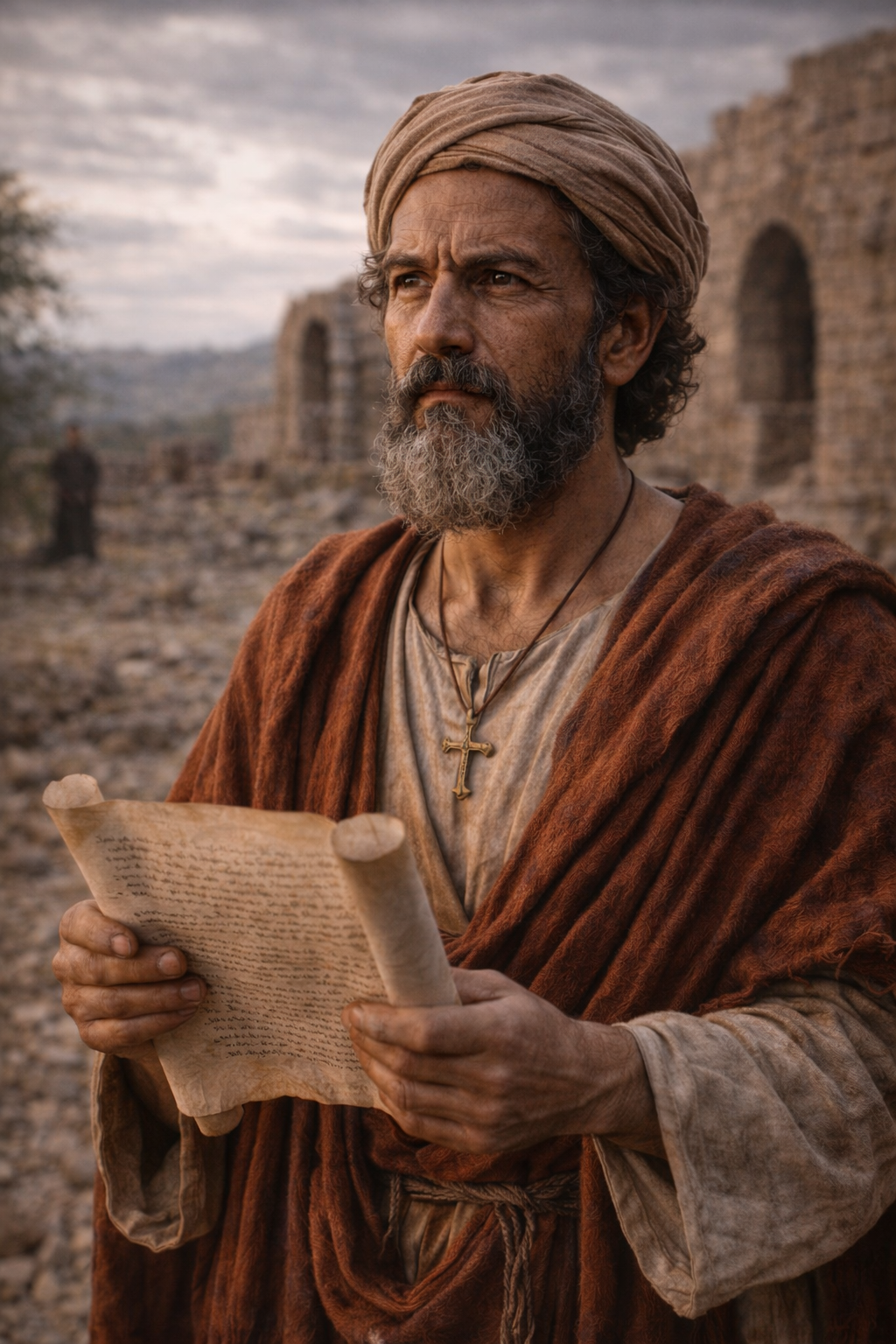
About Tertullian
Tertullian (Quintus Septimius Florens Tertullianus) was a prolific early Christian author from Carthage and the first major theologian to write in Latin. Often called the "Father of Latin theology," he coined many theological terms still used today, including "Trinity" (Trinitas), "person," and "substance" as applied to the Godhead.
Born to pagan parents in Carthage, Tertullian received an excellent education in literature, rhetoric, and law. He converted to Christianity around 197 AD and immediately began writing vigorous defenses of the faith. His sharp legal mind, rhetorical skills, and passionate temperament made his writings both powerful and controversial.
Tertullian wrote numerous works defending Christianity against pagan accusations and Jewish objections, refuting heresies (especially Gnosticism and Marcionism), and providing practical and theological instruction to Christians. His "Apologeticus" is a brilliant defense of Christianity addressed to Roman magistrates. He wrote important treatises on baptism, prayer, penance, marriage, and martyrdom.
His famous statements include: "The blood of martyrs is the seed of the Church," "What has Athens to do with Jerusalem?"(questioning the relationship between philosophy and faith), and "I believe because it is absurd" (often misquoted but reflecting his emphasis on faith over reason).
Around 207-213 AD, Tertullian joined the Montanist movement, a charismatic group emphasizing strict moral discipline, prophecy, and preparation for Christ's imminent return. This association with a movement later deemed heretical has complicated his legacy. He eventually formed his own sect, the Tertullianists, which survived until Augustine's time.
Despite his later heterodoxy, Tertullian's contributions to Christian theology were immense. He developed early Trinitarian theology, articulated concepts about Christ's two natures, and provided foundations for Western theological language. His rigorous moral teachings and emphasis on the Holy Spirit's guidance influenced Christian ethics.
Tertullian is not formally canonized as a saint in the Catholic Church due to his Montanism, though he is respected as an important Church Father. Eastern Orthodox tradition occasionally commemorates him. He died in Carthage around 220 AD, leaving a complex legacy as a brilliant but controversial defender of the faith.