Saint profile
Cyprian of Carthage
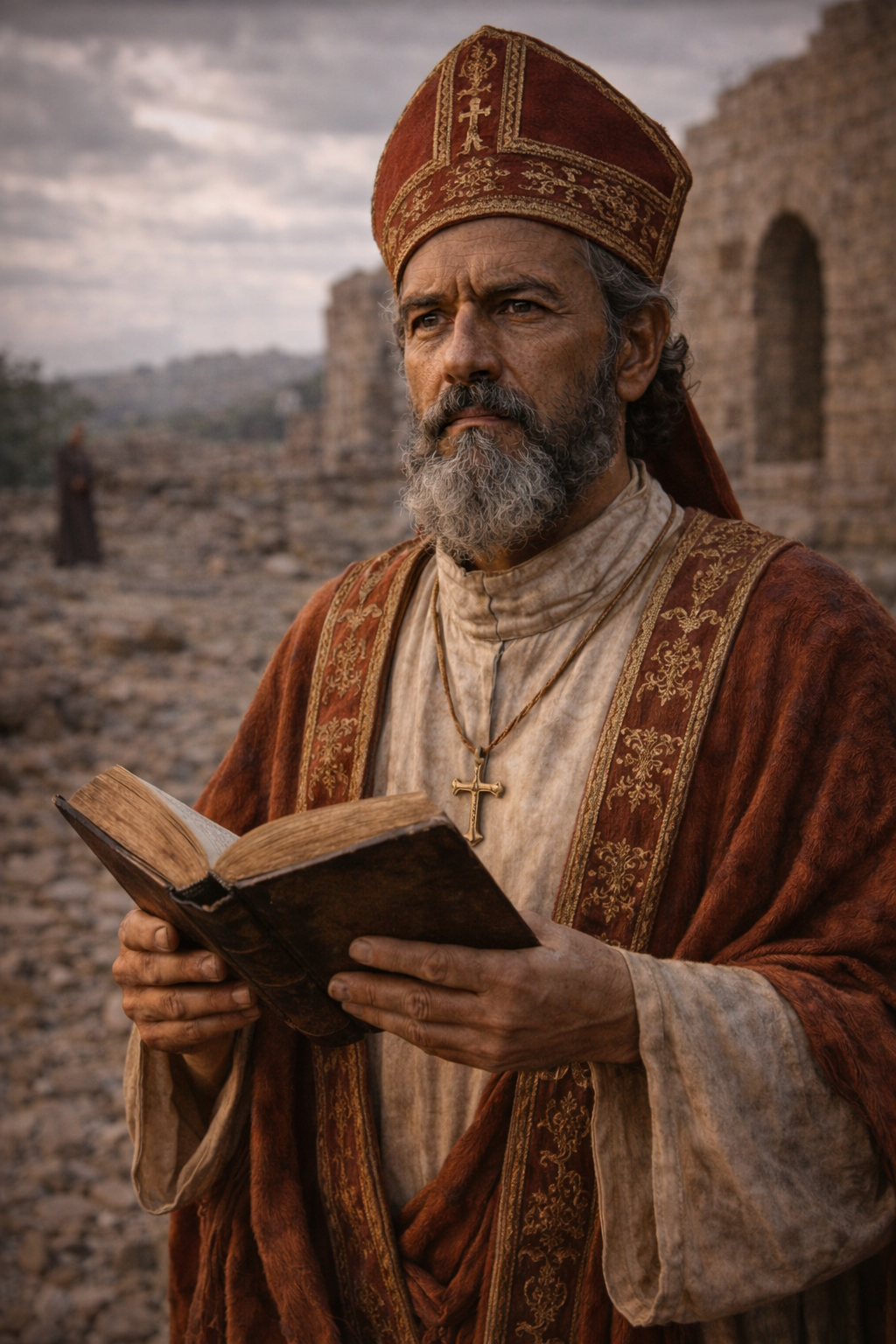
About Cyprian of Carthage
Cyprian was a wealthy pagan rhetorician and lawyer in Carthage who converted to Christianity around 246 AD, probably influenced by the elderly priest Caecilius (from whom he took his Christian name). His conversion was dramatic and total—he gave away his wealth, embraced celibacy, and devoted himself to studying Scripture.
Within just two years of his conversion, Cyprian was chosen Bishop of Carthage around 248 AD, despite his relative inexperience and over the objections of some clergy. His administrative skills, learning, and genuine pastoral care soon proved the choice providential.
Cyprian's episcopacy coincided with the Decian persecution (250 AD), during which many Christians apostatized under pressure. Cyprian went into hiding, governing his flock by letter—a decision some criticized but which allowed the church to maintain leadership. After the persecution, the question of how to treat the "lapsed" (those who had sacrificed to Roman gods) created serious division. Cyprian advocated a middle position: not the rigorism that refused all reconciliation, nor the laxity that readmitted apostates without penance.
His major work "On the Unity of the Church" (De Unitate Ecclesiae) emphasized that the Church is one and that salvation is found within it—yielding his famous dictum "Outside the Church there is no salvation." He strongly defended episcopal authority and the unity of bishops, though he clashed with Pope Stephen over whether baptism by heretics was valid (Cyprian said no; Stephen said yes—Stephen's position eventually prevailed).
During the Valerian persecution in 258 AD, Cyprian was arrested and initially exiled. He was then recalled and brought before the proconsul Galerius Maximus, who offered him a chance to sacrifice to Roman gods. Cyprian refused, declaring, "In so just a cause I need no counsel." He was sentenced to beheading.
On September 14, 258, Cyprian was executed before a large crowd of Christians who spread cloths to catch his blood as a relic. His martyrdom was widely reported and inspired many. His letters, treatises on church discipline, unity, and the sacraments, and his example of pastoral care and courageous witness profoundly influenced Western Christianity.