Saint profile
Augustine of Hippo
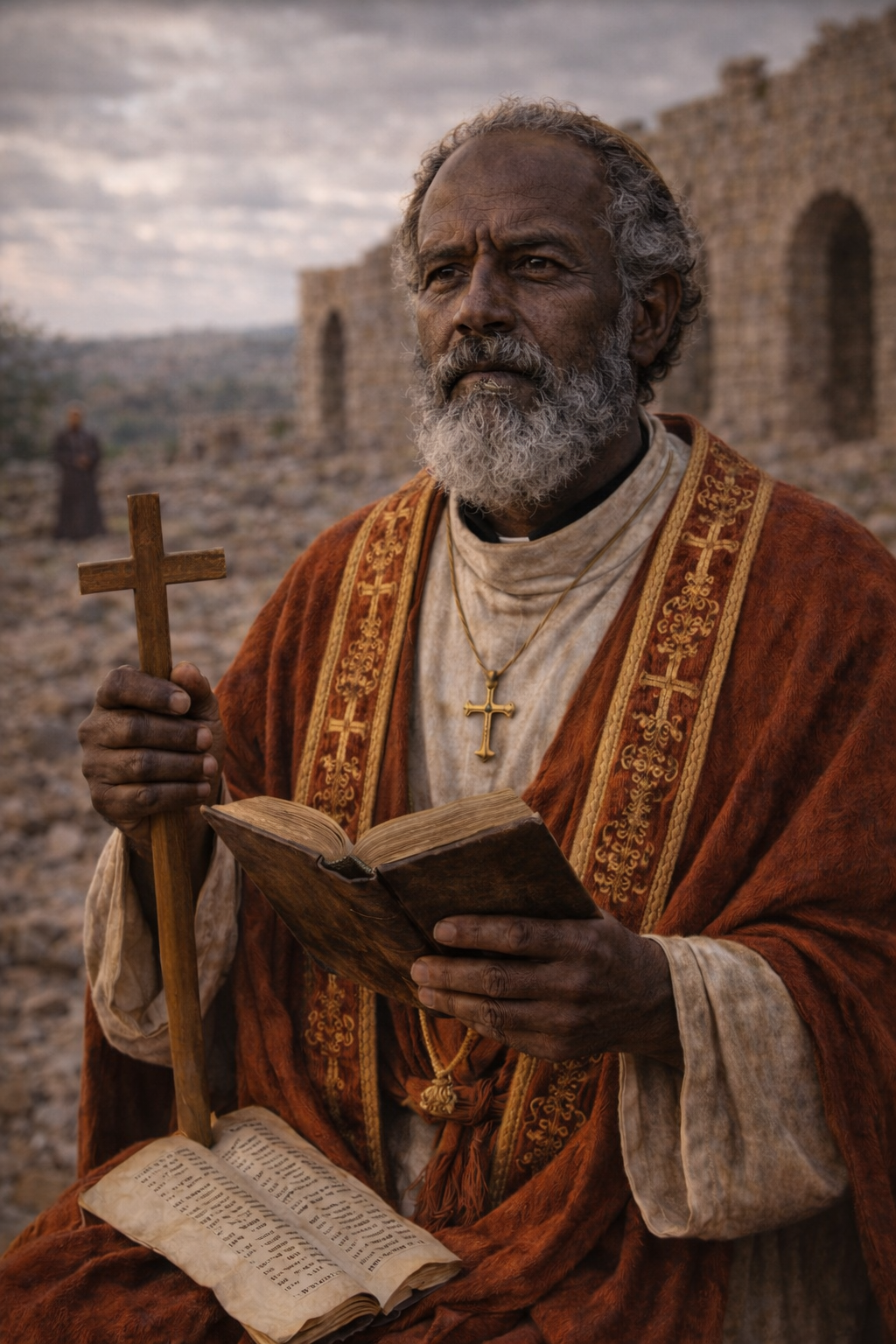
About Augustine of Hippo
Augustine of Hippo is arguably the most influential theologian in Christian history after the Apostle Paul. Born in Thagaste, North Africa, to a pagan father (Patricius) and devout Christian mother (Monica), Augustine's intellectual journey toward faith was long and complex.
As a young man, Augustine pursued rhetoric and philosophy, lived with a concubine for 15 years (with whom he had a son, Adeodatus), and embraced Manichaeism—a dualistic religion that temporarily satisfied his intellectual questions. He taught rhetoric in Carthage, Rome, and finally Milan, where his life changed dramatically.
In Milan, Augustine encountered Bishop Ambrose, whose sermons revealed that Scripture could be intellectually respectable. Augustine was also influenced by Neoplatonism and the letters of Paul. His mother Monica, who had followed him to Milan, prayed unceasingly for his conversion. In 386 AD, while struggling in a garden, Augustine heard a child's voice saying "Tolle lege" (take up and read). He opened Paul's epistles and read Romans 13:13-14, and his long spiritual crisis resolved. He was baptized by Ambrose at Easter 387.
After his conversion, Augustine returned to North Africa, where he lived monastically until the people of Hippo Regius insisted he become their priest (391) and later bishop (395). He served as Bishop of Hippo for 35 years until his death.
Augustine's literary output was staggering. His "Confessions" (c. 397-400) invented the autobiography as a literary form, offering profound psychological insight and passionate prayer. His "City of God" (413-426), written after Rome's sack by Visigoths, presents a sweeping theology of history contrasting the earthly city with God's eternal city.
His theological controversies shaped Christian doctrine. Against Donatists, he defended the Church's catholicity and sacramental validity independent of minister's worthiness. Against Pelagius, he articulated the doctrine of original sin, grace, and predestination—doctrines that would profoundly influence both Catholic and Protestant theology.
Augustine died in 430 as Vandals besieged Hippo. His influence on Western thought—both Christian and secular—remains incalculable. His integration of faith and reason, his psychological depth, his doctrines of grace and the Trinity, and his vision of history continue to shape theology, philosophy, and Western civilization.