Saint profile
Gregory of Nazianzus
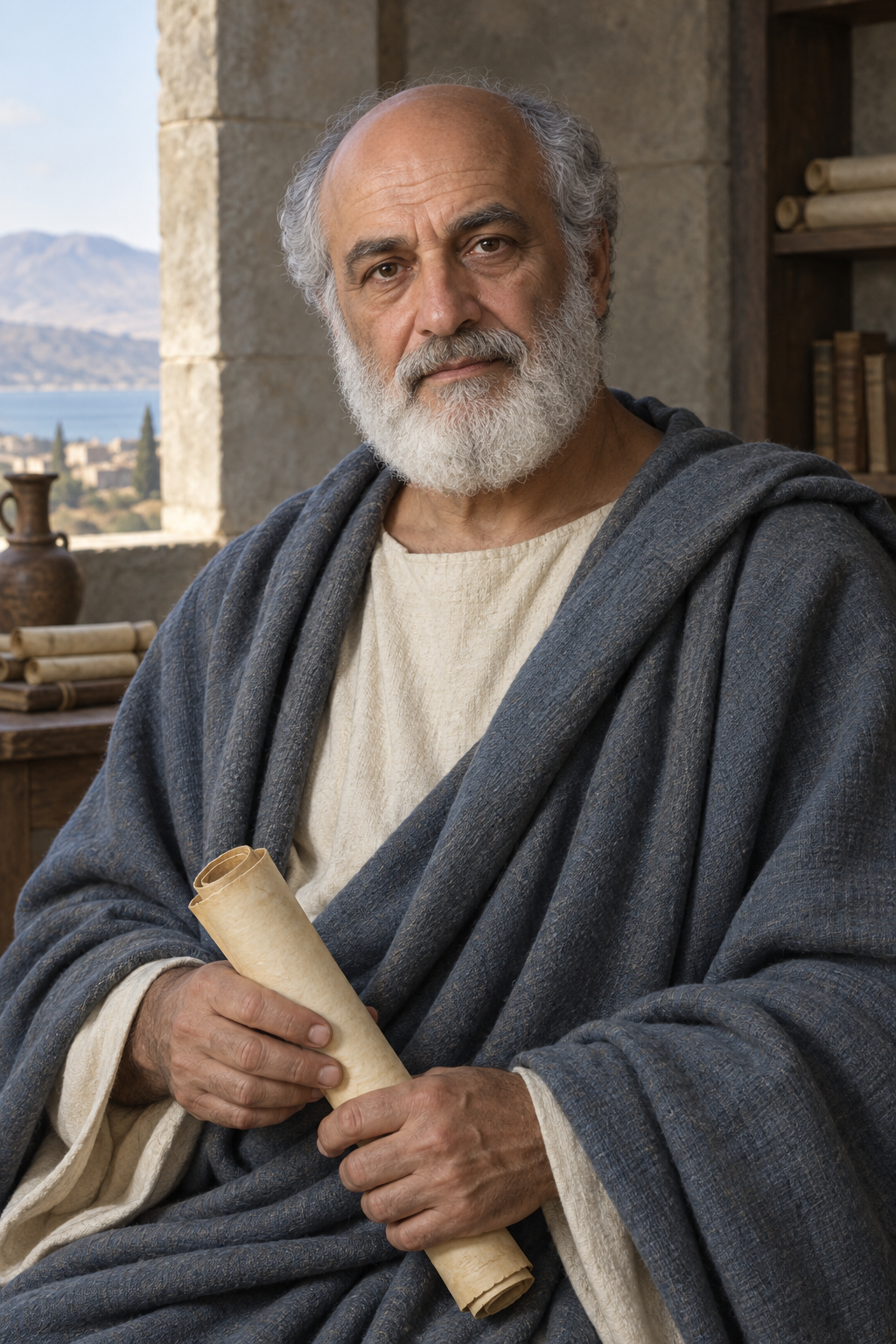
About Gregory of Nazianzus
Gregory of Nazianzus, honored with the unique title "the Theologian" (given to only two others in Eastern tradition: John the Apostle and Symeon the New Theologian), was one of the three Cappadocian Fathers who defended Nicene orthodoxy and articulated Trinitarian doctrine. He was a brilliant orator, theologian, and poet whose writings profoundly shaped Christian understanding of the Trinity.
Gregory was born near Nazianzus in Cappadocia to devout parents—his father was bishop of Nazianzus. He studied in Caesarea, where he met Basil and began their lifelong friendship, then in Alexandria and Athens, where they studied together and both excelled. Gregory loved learning and contemplation and was temperamentally suited for monastic life.
Around 358, Gregory joined Basil in his monastic community in Pontus, though he later returned to assist his aging father. Much against his will—Gregory repeatedly protested his unworthiness—his father ordained him priest (361) and Basil pressured him to become bishop of the small town Sasima (372). Gregory felt manipulated and never fully accepted the Sasima appointment, though he helped his father and later briefly served as bishop of Nazianzus.
Gregory's greatest contribution came in 379-381 when he was called to Constantinople, then dominated by Arianism, to lead the small orthodox community. In a series of brilliant theological orations (the "Five Theological Orations"), preached in a small chapel, Gregory defended the divinity of the Son and Holy Spirit with such eloquence and scriptural depth that he earned the title "the Theologian."
His orations clarified orthodox Trinitarian theology: God is one essence (ousia) in three persons (hypostases)—Father, Son, and Holy Spirit—who are distinct but inseparable, equal in divinity. His sophisticated arguments against Arianism and his careful distinctions about theological language became definitive for orthodoxy.
When Emperor Theodosius convened the Council of Constantinople in 381, Gregory was chosen to preside. However, conflicts over his canonical status and jurisdiction led Gregory—sensitive, peace-loving, and weary of ecclesiastical politics—to resign dramatically and return to his family estate in Nazianzus.
Gregory spent his final years in contemplation, writing poetry, letters, and his autobiography in verse. His writings combine classical eloquence with deep Christian faith. He died peacefully in Nazianzus in 390.
Gregory is honored as a Doctor of the Church in both East and West. His theological precision, literary brilliance, and personal holiness made him one of Christianity's greatest theologians and spiritual writers.