Saint profile
Gregory of Nyssa
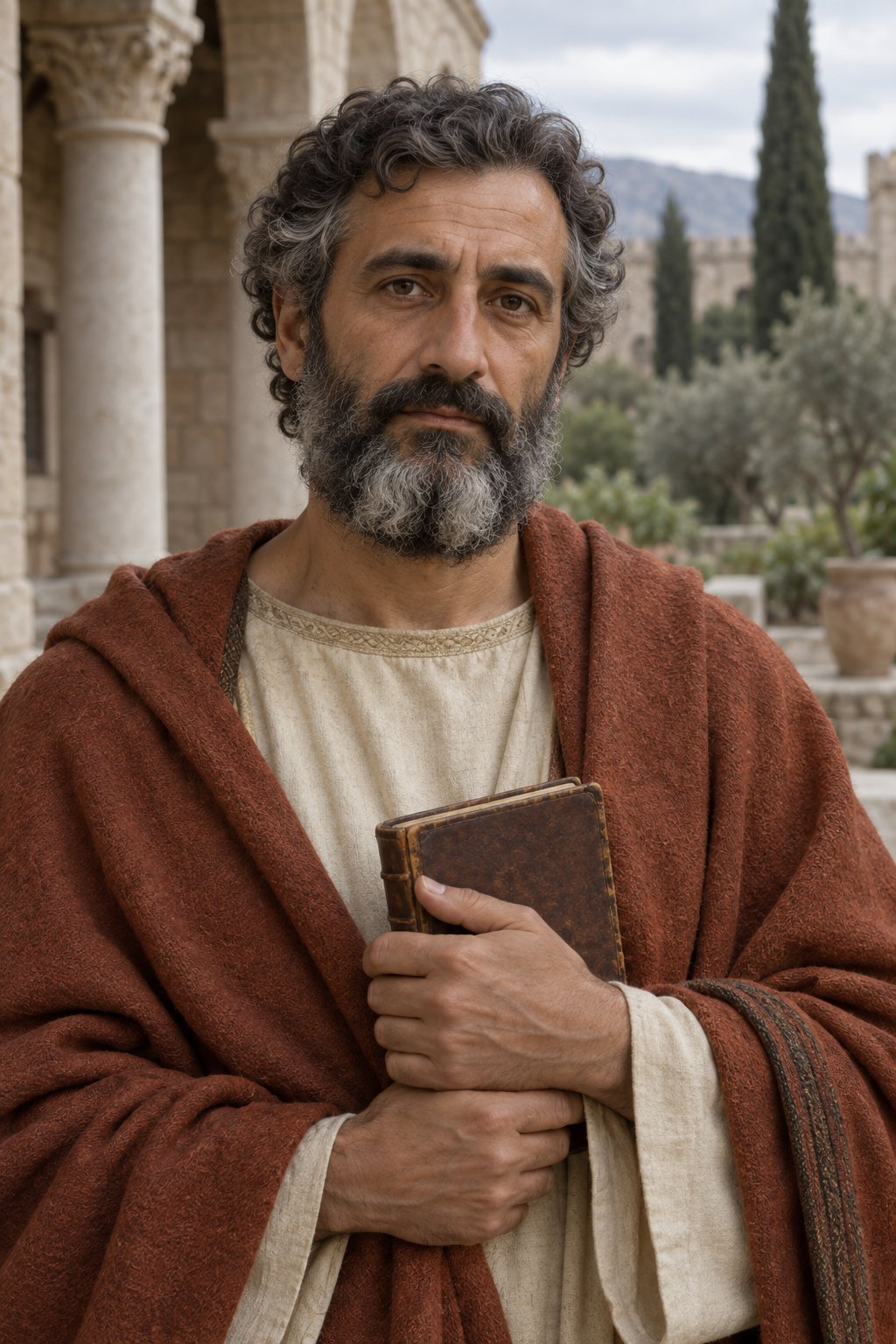
About Gregory of Nyssa
Gregory of Nyssa, the younger brother of Basil the Great and the third of the Cappadocian Fathers (with Basil and Gregory of Nazianzus), was a profound theologian, mystic, and philosopher. Though initially overshadowed by his more famous brother and friend, modern scholarship recognizes Gregory of Nyssa as perhaps the most intellectually original and philosophically sophisticated of the three.
Gregory initially pursued a secular career as a rhetorician and married Theosebia (a deaconess who may have become a nun later). His brother Basil persuaded him to abandon secular life, and around 372, Basil appointed him Bishop of Nyssa, a small city in Cappadocia. Unlike Gregory of Nazianzus, Gregory of Nyssa embraced his episcopal role, though he was not naturally suited for administration.
Gregory faced significant challenges as bishop. Arian opponents deposed him briefly (376-378) on dubious charges, and he experienced exile. After Emperor Valens died (378) and orthodoxy regained favor, Gregory returned and became an important figure defending Nicene faith.
Gregory made crucial theological contributions, particularly to Trinitarian doctrine and Christology. He distinguished the three persons of the Trinity while maintaining their unity of essence, using philosophical precision to clarify doctrine. His work "On Not Three Gods" addressed the challenge of explaining how three persons constitute one God.
Gregory was also a pioneering mystical theologian. His "Life of Moses" interprets Moses' journey as an allegory for the soul's ascent to God, introducing the concept of "epektasis"—perpetual progress toward the infinite God who always exceeds our comprehension. His mystical theology emphasized darkness as the place of encountering God's incomprehensibility, influencing later mystical writers.
He wrote important works on anthropology ("On the Making of Man"), virginity, the soul and resurrection, and biblical interpretation. His allegorical exegesis of Scripture, his integration of Platonist philosophy with Christian theology, and his emphasis on human dignity created in God's image influenced both Eastern and Western theology.
Gregory participated in the Council of Constantinople (381) and was sent on diplomatic missions to reconcile divided churches. His eloquence at these gatherings earned respect, and the council of 394 called him "Father of Fathers."
Gregory died around 395 in Nyssa. Though less celebrated than Basil or Gregory of Nazianzus during his lifetime, his theological depth, mystical insight, and intellectual courage have gained increasing recognition. He profoundly shaped Eastern Orthodox theology and spirituality and influenced Western mysticism. His vision of humanity's endless growth into God's infinite mystery remains compelling today.