Saint profile
Bernard of Clairvaux
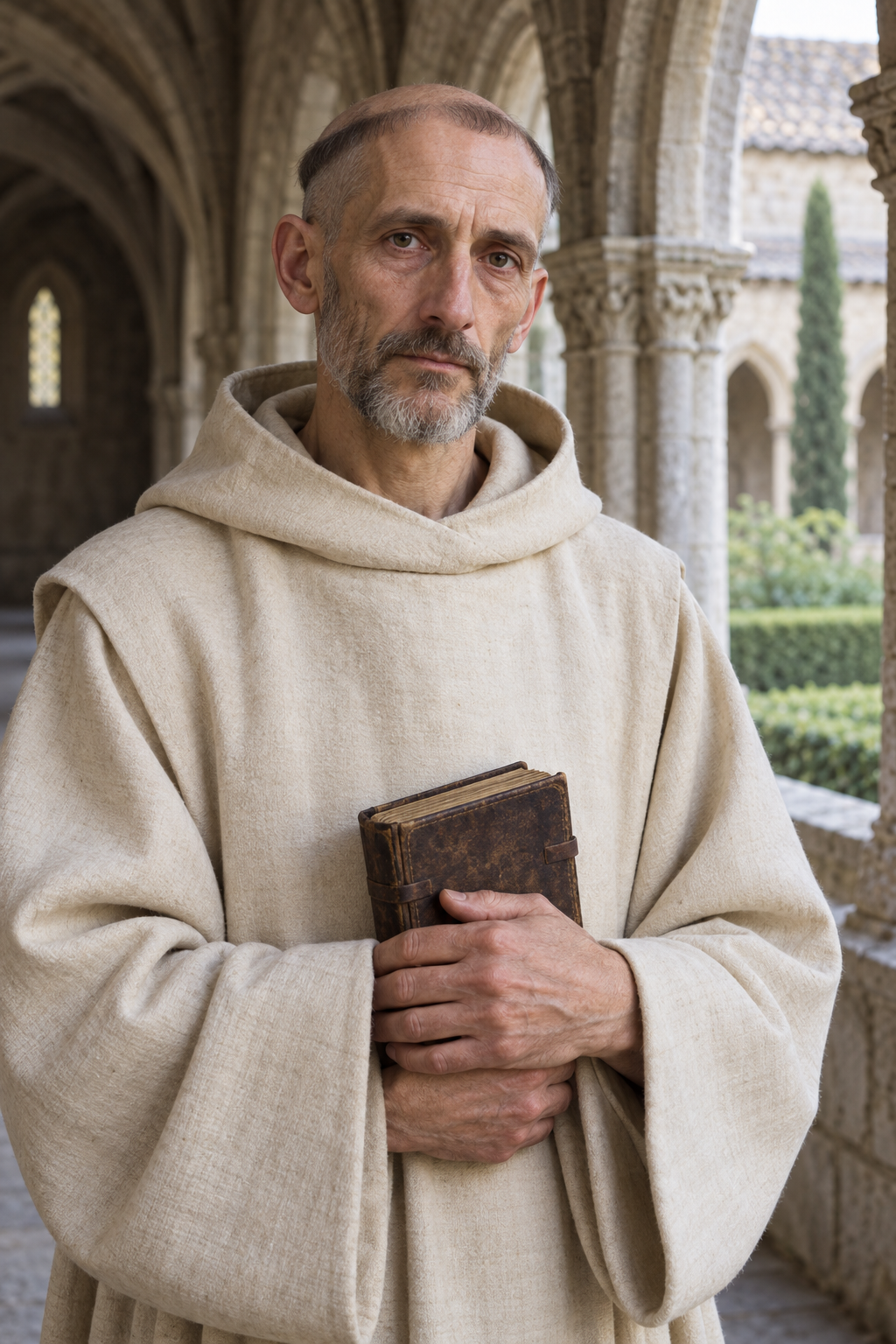
About Bernard of Clairvaux
Bernard of Clairvaux was one of the most influential churchmen of the 12th century—a mystic, theologian, preacher, and reformer. Born to noble parents in Burgundy, Bernard joined the struggling Cistercian monastery at Cîteaux in 1112, bringing with him thirty companions including four of his brothers, transforming the order's fortunes.
Just three years later, Bernard was sent to establish a new monastery at Clairvaux in a remote valley. Under his leadership, Clairvaux grew from a handful of monks to over 700, and established 68 daughter houses. Bernard's interpretation of the Benedictine Rule emphasized poverty, simplicity, manual labor, and contemplative prayer, reforming monasticism and influencing countless souls.
Despite preferring monastic life, Bernard was drawn into major church controversies. He opposed the rationalist theology of Peter Abelard, championed papal authority during a schism, and preached the Second Crusade (which failed, to his great sorrow). His letters to popes, kings, and bishops shaped European affairs, earning him the title "the uncrowned ruler of Europe."
Bernard was primarily a mystical theologian and spiritual writer. His sermons on the Song of Songs are masterpieces of bridal mysticism, describing the soul's intimate union with God. His devotion to Mary and the humanity of Christ deeply influenced medieval piety. He emphasized love over knowledge: "Love is sufficient by itself, it pleases by itself, and for its own sake."
Bernard suffered chronic illness, likely from extreme fasting and asceticism in his youth, yet maintained a demanding schedule of writing, administration, and travel. He died at Clairvaux in 1153, exhausted by his labors. Canonized in 1174 and declared a Doctor of the Church in 1830, Bernard's spiritual writings continue to inspire contemplatives and theologians.