Saint profile
Charles Borromeo
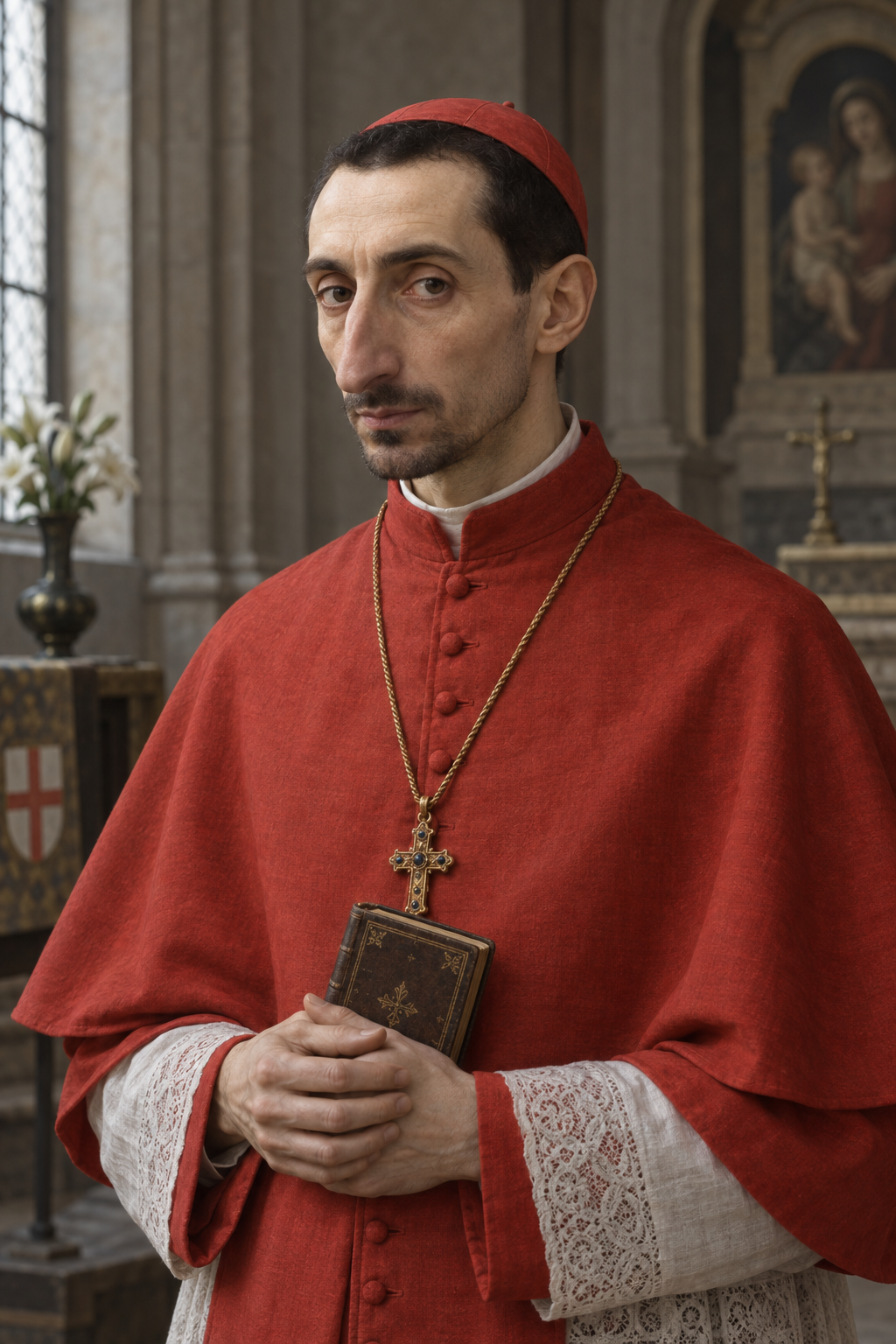
About Charles Borromeo
Charles Borromeo was a cardinal, archbishop of Milan, and a leading figure of the Catholic Counter-Reformation. Born into Italian nobility, Charles was destined for church leadership from youth. His uncle, Pope Pius IV, made him cardinal and archbishop of Milan at age 22, though he didn't reside there initially.
In Rome, Charles administered the Papal States and was instrumental in reconvening and successfully concluding the Council of Trent (1562-1563), which reformed the Catholic Church in response to the Protestant Reformation. He helped draft the Roman Catechism and reform the liturgy.
After Pius IV died in 1565, Charles finally went to Milan, which had been without a resident bishop for 80 years. He found widespread corruption, ignorance, and negligence among clergy and laity. With extraordinary energy, Charles implemented Trent's reforms: establishing seminaries for proper priestly formation, holding diocesan synods and provincial councils, visiting every parish personally (often on foot in mountain areas), reforming religious orders, and combating clerical corruption.
Charles lived austerely despite his wealth, giving extensively to the poor. During the famine of 1570 and plague of 1576, he sold church treasures to feed and care for thousands. During the plague, when many fled Milan, Charles remained, organizing relief, caring for the sick personally, and leading public penance processions.
His reforms met resistance; corrupt clergy attempted to assassinate him in 1569 (he survived when a shot failed to penetrate his vestments). Undeterred, Charles continued his tireless work, establishing schools, hospitals, and the Confraternity of Christian Doctrine for catechesis.
Charles wore himself out with fasting, work, and austerity. He died at 46, having transformed his diocese into a model of Catholic reform. His implementation of Trent's decrees and his pastoral zeal made him a model bishop for the modern era.