Saint profile
Elizabeth of Hungary
About Elizabeth of Hungary
Elizabeth of Hungary was a princess who devoted her life to serving the poor. Born the daughter of King Andrew II of Hungary, Elizabeth was betrothed at age four to Ludwig, heir to Thuringia, and sent to his family's court. Despite the political nature of the arrangement, Elizabeth and Ludwig developed a loving marriage.
From childhood, Elizabeth showed extraordinary piety and compassion for the poor, often giving away food, clothing, and money, which annoyed the court. After marrying Ludwig at age 14, Elizabeth continued her charity, building hospitals, caring for the sick personally, and distributing alms generously. Ludwig supported her charity despite court criticism.
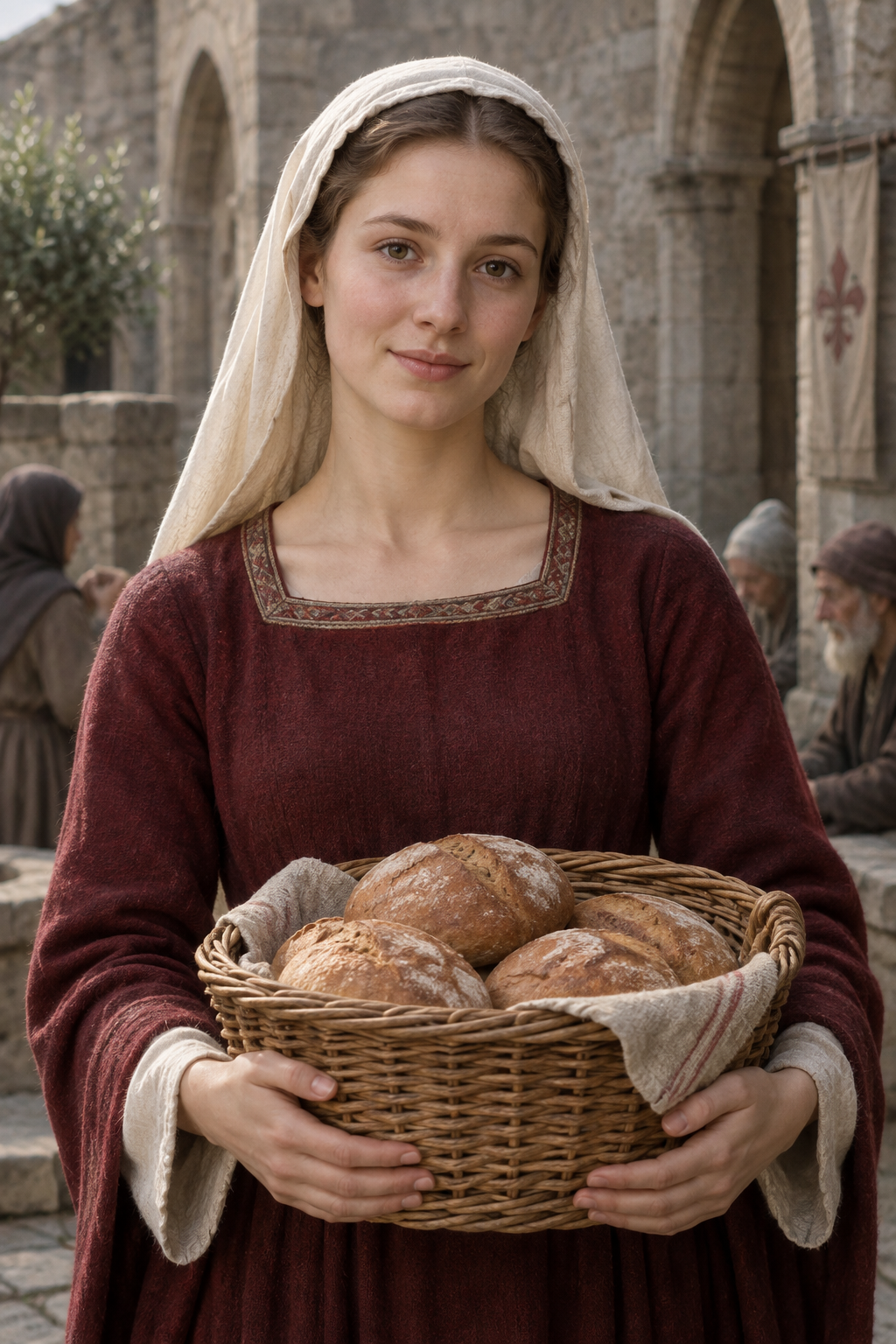
The famous story of the roses tells that when Ludwig encountered Elizabeth secretly carrying bread to the poor in her cloak, he asked what she carried. When she opened it, the bread had turned to roses—a miracle affirming her charity. While this legend's historicity is debated, it captures her spirit.
Elizabeth became associated with the Franciscan movement, particularly through Conrad of Marburg, her spiritual director. She embraced Franciscan poverty and simplicity while still a queen, an unusual combination that created tension with court expectations.
Tragedy struck in 1227 when Ludwig died of plague while joining a crusade. Elizabeth was 20, pregnant with their third child, and was expelled from court by her brother-in-law. She endured poverty, found shelter in a pig shed, and eventually settled in Marburg.
After giving birth, Elizabeth renounced her royal rights, became a Franciscan tertiary (lay member), and devoted herself entirely to serving the poor and sick. She built a hospital and personally cared for the most repulsive cases, embracing radical poverty and penance under Conrad's harsh spiritual direction.
Elizabeth's extreme austerity and relentless service wore out her health. She died at age 24 in 1231. Miracles at her tomb led to her canonization just four years later. She became a beloved saint, model of charity, and patroness of Catholic charitable organizations.