Biography
Aimo of Meda
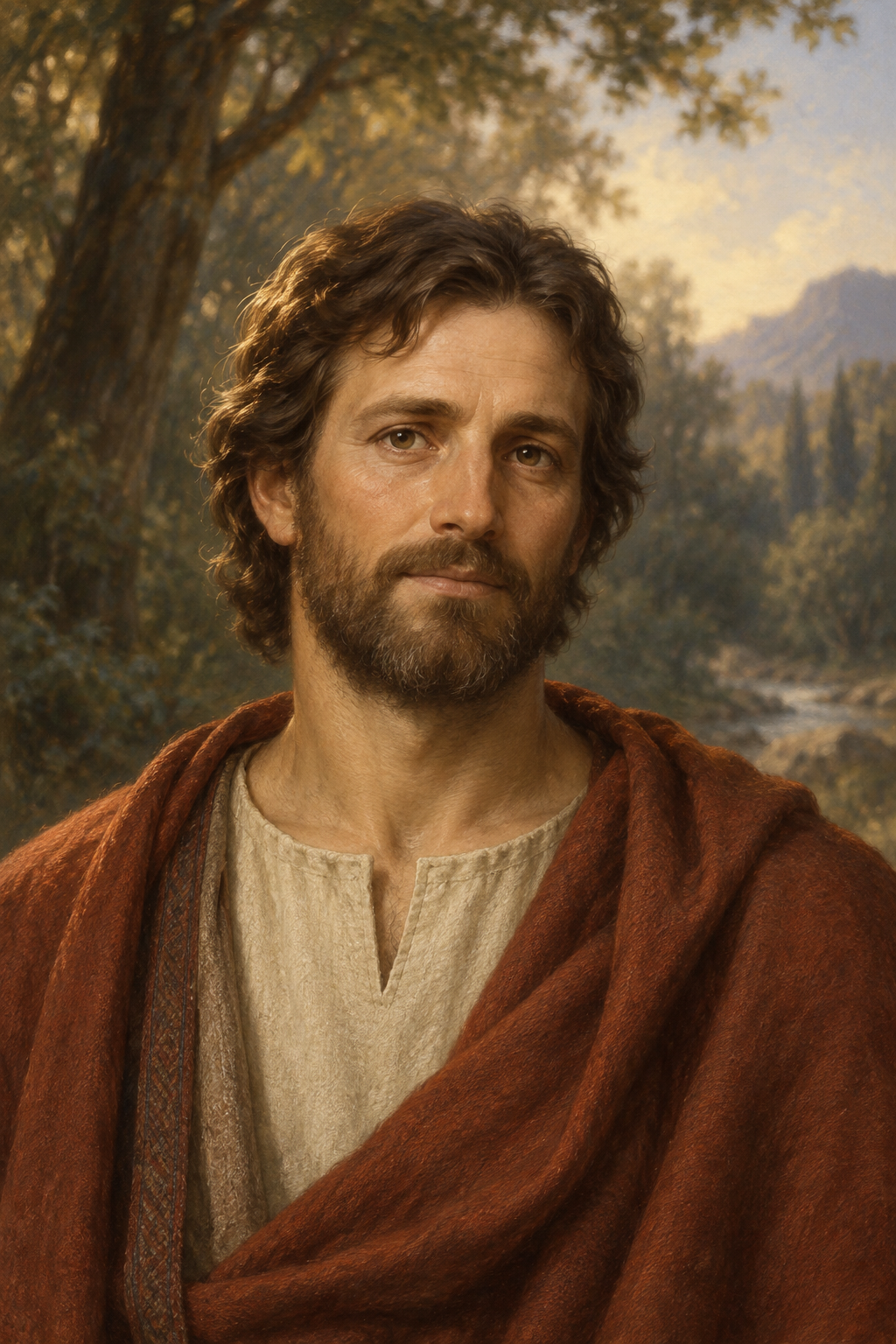
About Aimo of Meda
Aimo is remembered with Vermondo as a founder of the Benedictine women’s monastery of San Vittore at Meda. Their story belongs to the local religious tradition of northern Italy. The history published by the Lombardy regional heritage service explicitly presents the foundation around 780 as traditional, while identifying a ninth-century document that names the monastery. The later survival of that institution does not establish every detail of its founders’ lives.
A regional architectural record traces the foundation narrative to a fourteenth-century chronicle commissioned within the monastery. In that story, Aimo and Vermondo escape wild boars by climbing into laurel trees and promise to found a monastery if they survive. The record also preserves differing proposed dates for the foundation. This is a later account of origins, not a contemporary report of the hunt.
The legend was also preserved in illuminated manuscripts. The Getty Museum’s catalog describes a copy made in Milan around 1400, with scenes of the hunt, foundation, translation of the founders’ bodies and later appeals for their help. Its opening text names a celebration on 13 February. These images and texts show how their memory was transmitted centuries afterward; they cannot supply a verified personal chronology.
Aimo and Vermondo remain part of Meda’s Catholic life. A parish publication records their celebration on 13 February 2020 and calls them the community’s co-patrons. The reported homily looks to their received story as an example of faith and a change of life. This present observance provides clear evidence of local veneration even where the early biography remains uncertain.
His dates of birth and death are not established by the evidence reviewed here. The traditional foundation dates also differ from the ninth-century setting used in the modern parish account. No exact life dates or places are assigned on that basis. Aimo’s responsible account therefore centers on the founding tradition, its later transmission and the community that continues to remember him.
Wondering how to weigh the stories and sources? Learn how to read a saint biography.