Biography
Amphibalus
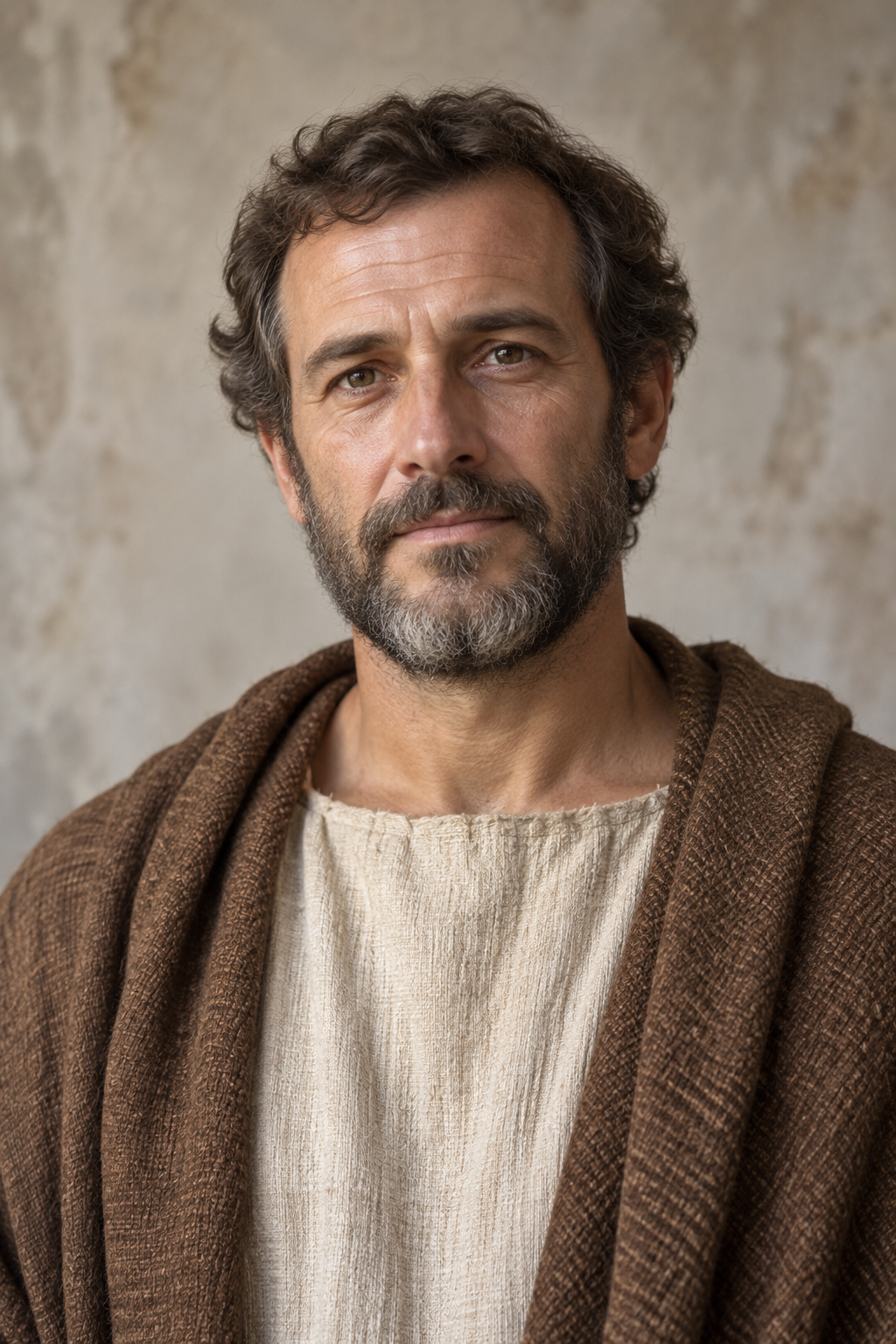
About Amphibalus
In Bede's account, the figure later venerated as Amphibalus is unnamed. Writing centuries after the events he describes, Bede says that Alban welcomed a Christian cleric who was fleeing persecution in Roman Britain. The visitor prayed and kept watch while staying with Alban. His example and teaching drew Alban toward Christianity. The account gives no birthplace, family, earlier ministry, or personal name for the fugitive.
When soldiers came for the cleric, Bede says Alban put on his guest's clothing and gave himself up in the fugitive's place. Alban was brought before a judge and ultimately executed. The cleric disappears from Bede's account after his escape. These details belong to a story transmitted long after Roman Britain; they do not supply a contemporary record of either man's life.
In the twelfth century, Geoffrey of Monmouth called Alban's confessor Amphibalus. The name may have arisen from a word for a cloak or vestment, so it should not be presented as a recovered Roman personal name. Later tradition says the priest himself was captured and martyred at Redbourn. Neither Bede nor other early evidence establishes that death or identifies remains as his.
The tradition nevertheless shaped a lasting place of remembrance. A medieval shrine was built for the relics attributed to Amphibalus at St Albans. Its surviving pieces were found in the nineteenth century and restored in 2020. The cathedral continues to keep the shrine beside that of Alban and to tell the two stories together. Amphibalus therefore remains significant in the devotional memory of Alban's conversion, even as the historical name and later martyrdom remain uncertain.
Wondering how to weigh the stories and sources? Learn how to read a saint biography.