Biography
Anastasia Șaguna
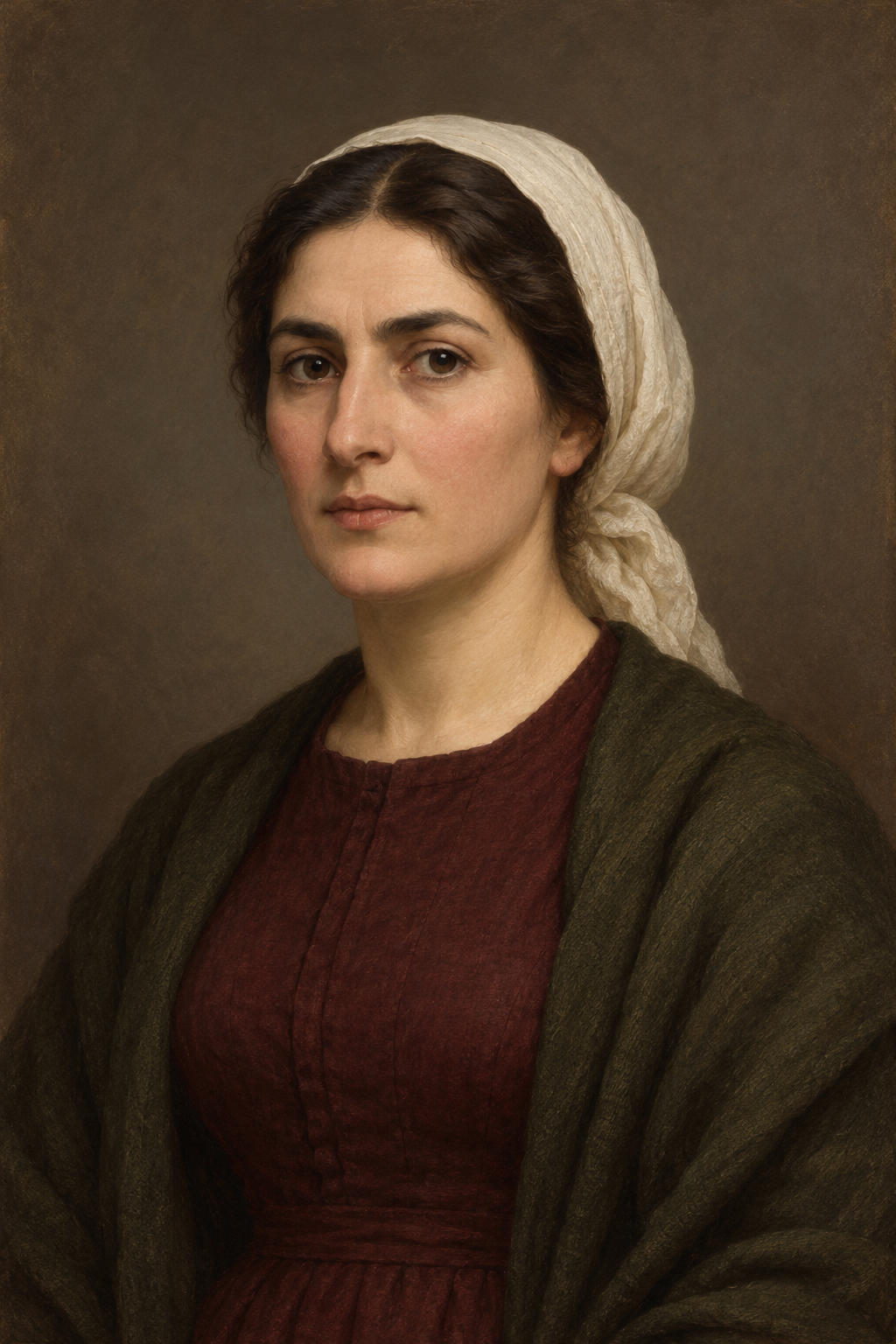
About Anastasia Șaguna
Anastasia Șaguna was an Orthodox woman from a Macedonian Romanian merchant family in the Habsburg lands. Born in 1785, she married Naum Șaguna in Miskolc in 1802. Historian Mircea-Gheorghe Abrudan identifies four children: Evreta, Ecaterina, Anastasiu, and Maria, who died in childhood. Anastasiu later became Metropolitan Andrei Șaguna.
After bankruptcy, Naum became Roman Catholic in 1813. The change brought the children’s religious education under Catholic authority. Anastasia resisted their removal from her care and took them to her uncle Atanasie Grabovsky’s home in Pest. The dispute involved the archbishop of Eger and the Hungarian authorities, not simply a disagreement within the household.
Anastasia sent petitions asking that her children remain Orthodox. In 1816 she traveled to Vienna seeking the emperor’s help, but did not obtain a personal audience. An imperial decision required Catholic supervision of their schooling. She continued teaching them Orthodox beliefs at home and keeping them connected with Orthodox worship.
As they reached adulthood, the three surviving children sought permission to return to Orthodoxy. Abrudan dates their applications between 1822 and 1826 and notes that the authorities first required a six-week Catholic catechism course. Their eventual return became central to the church’s remembrance of their mother.
She died in January 1836. Her son later raised a memorial to her and his siblings. The Romanian Orthodox Church canonized Anastasia in 2025 and commemorates her on December 1. A 2026 church investigation clarified that she had first been buried in Pest’s cemetery at Váci Square; her remains were later moved to the Grabovsky vault at Kerepesi. Examination of that vault in June 2026 did not establish a conclusive identification. The report distinguishes the family’s burial tradition from what the investigators could verify.
In 2026, Munich’s Romanian Orthodox Annunciation parish placed its supplementary school under Anastasia’s patronage. The school combines Romanian language, religious education, and cultural activities for children and young people. Its council approved the dedication with the blessing of Metropolitan Serafim.
Wondering how to weigh the stories and sources? Learn how to read a saint biography.