Biography
Anastasia the Patrician
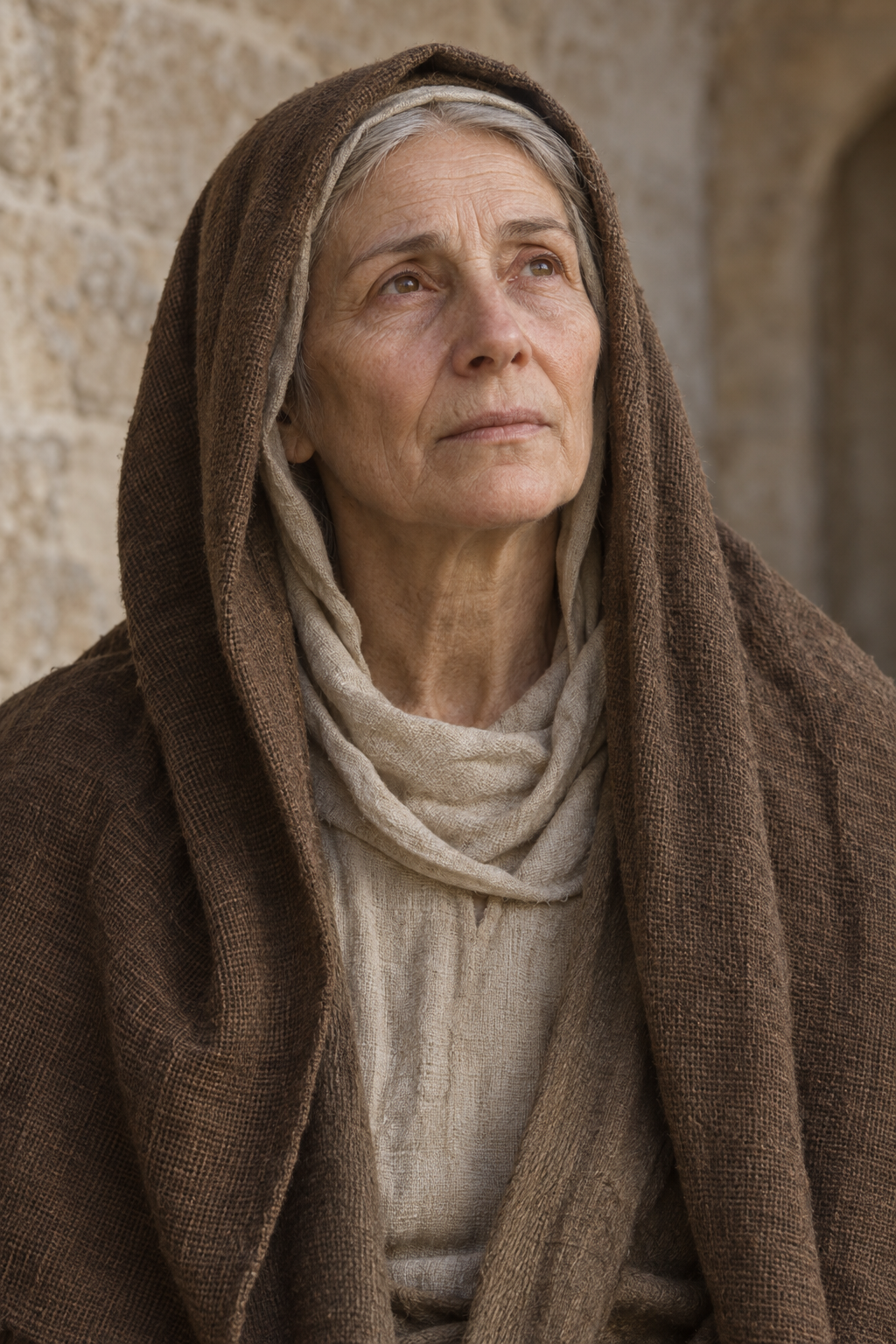
About Anastasia the Patrician
Anastasia the Patrician is remembered in Eastern Christian tradition through a story associated with Abba Daniel of Scetis. In that story, she leaves the imperial court for Egypt and establishes a monastery near Alexandria. When Emperor Justinian seeks her again, she turns to Daniel, who shelters her in a secluded cell under the name Anastasius. The account ends with Daniel learning she is near death and revealing her identity after her burial. These scenes are features of the received narrative, not independently verified events in a known woman's life.
The legend circulated in several languages. A fragment of one version survives in a seventh-century Syro-Palestinian manuscript. That manuscript is an early witness to the story, though not a contemporary witness to Anastasia herself. Byzantine synaxaria remember her on March 10 or August 28. The Orthodox Church in America commemorates her on March 10 today. These witnesses establish the tradition's transmission and continuing observance.
The distinction between story and history matters here. Basil Lourié reports that scholarship does not accept this Anastasia as a historical individual. He reads her narrative as a late-sixth-century development of the Anastasia the Widow legend. The Coptic Encyclopedia identifies the Copto-Arabic Synaxarion and a tale of Daniel as literary carriers; neither provides an independent contemporary witness to Anastasia. Later accounts also disagree on when the story places her death: around 567–568 in the OCA life and around 576 in the Orthodox Encyclopedia. Neither year can be securely assigned to a distinct historical person. Anastasia's significance here lies in the enduring monastic story and Orthodox remembrance, rather than in a recoverable personal chronology.
Wondering how to weigh the stories and sources? Learn how to read a saint biography.