Biography
Anatolia
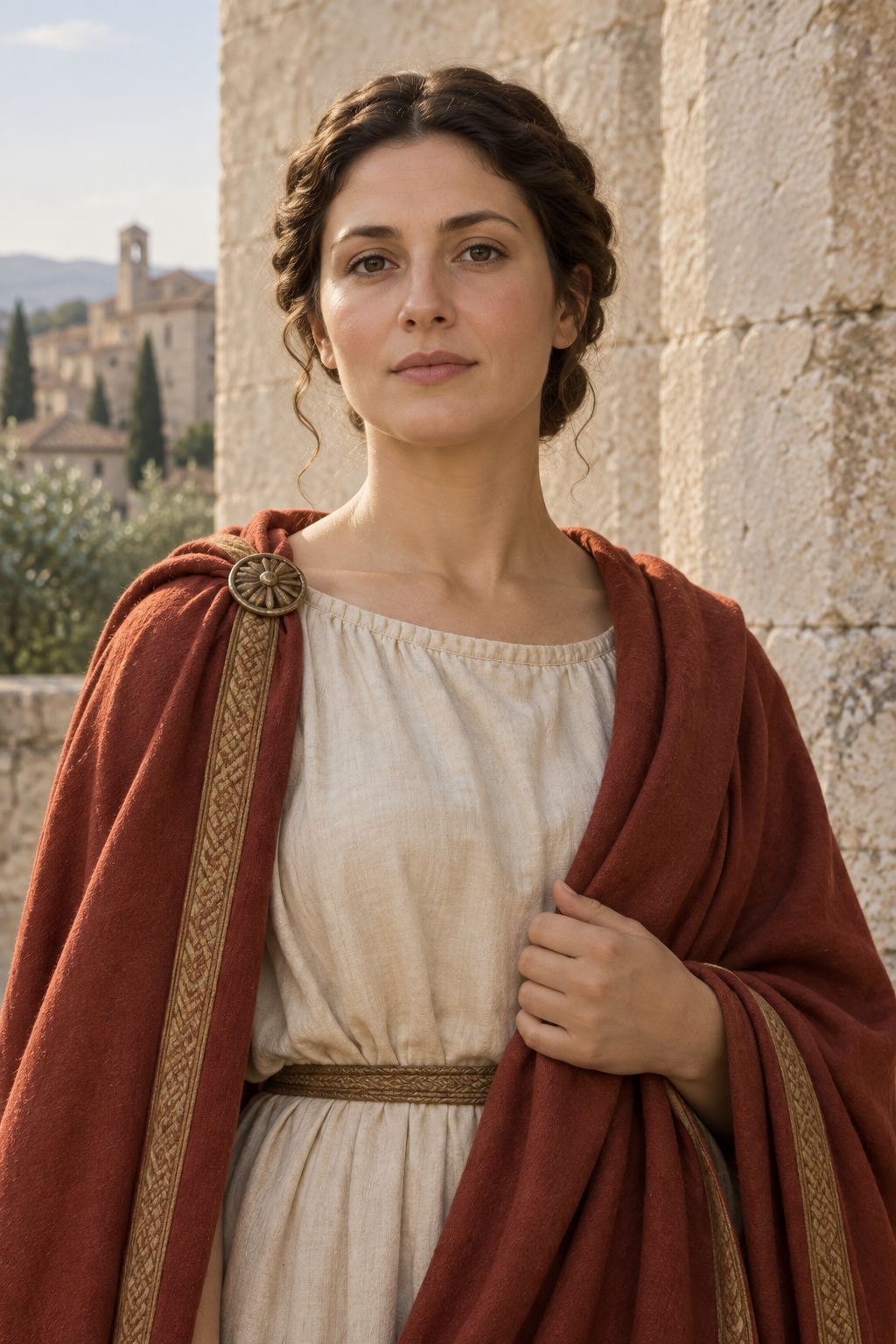
About Anatolia
Anatolia enters the historical record chiefly through Christian remembrance. The Roman tradition places her cult in the Sabine region of Italy and associates her with another woman martyr, Victoria. Their names later appear side by side in the celebrated procession of women martyrs in the mosaics of Sant'Apollinare Nuovo at Ravenna. A name in such a setting documents a recognized cult; it does not supply a childhood, a family history, or a precise account of the death that first inspired remembrance.
The Ravenna image belongs to a late-antique church setting where a line of female martyrs approaches the enthroned Mary and child. It gives Anatolia a place in a public visual roll of honored witnesses. The mosaic's value is therefore different from that of a biography. It shows that a named Anatolia was commemorated in the wider church, but it cannot settle whether every later story attached to that name is true. Nor does it identify a day or year of martyrdom.
The later *Passio* tells a much fuller story. Anatolia and Victoria become sisters, reject marriage, and face pressure from Roman officials. A man named Audax also enters the narrative. The account connects their suffering to the reign of Decius. These scenes have been influential in devotion and art, but the New Catholic Encyclopedia regards the passio as historically worthless. It nevertheless sees reason to believe that the martyrs themselves existed. That distinction matters: a probable martyr's cult need not make every detail of its literary life a probable event.
Treccani traces later devotion in the Sabine area and the spread of relic claims. Those places belong to the history of Anatolia's veneration. They do not establish her birthplace, death place, or travel route. The person's movements before death remain unrecorded, so the profile leaves structured life places empty.
The Roman Martyrology remembers Anatolia on 9 July and places her within the traditional Decian account. A feast date records when a community commemorates a martyr, not necessarily the date she died. The tradition's association with Audax and Victoria is named in the narrative, but no structured relationship is entered without stronger person-level evidence. Nor is an exact reign-based year of death inferred from the passio.
The later passio cannot establish Anatolia's detailed life. Critical study nonetheless finds reason to believe a martyr stands behind the cult. Her circumstances remain beyond recovery.
Wondering how to weigh the stories and sources? Learn how to read a saint biography.