Biography
Anna Besant Cassey
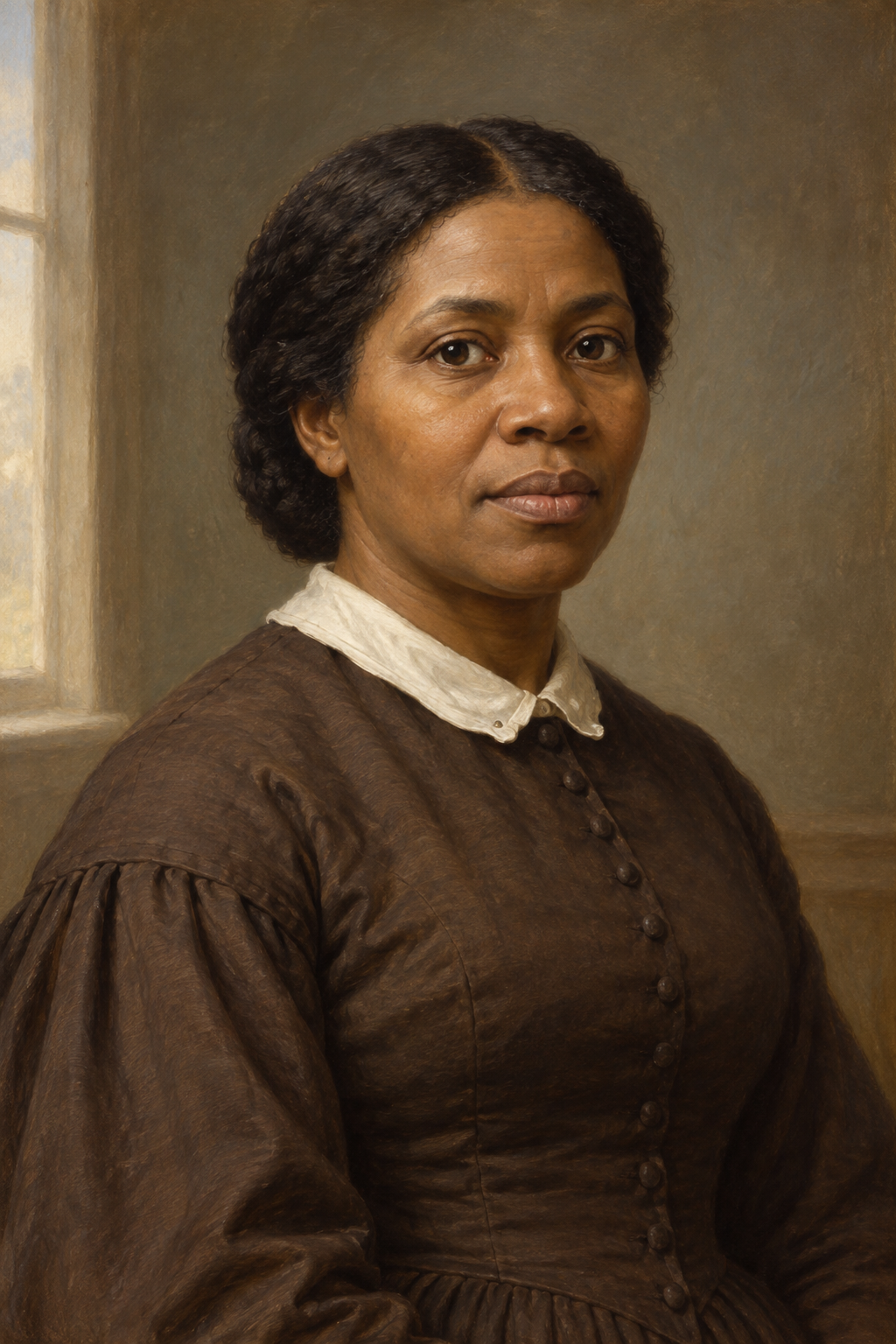
About Anna Besant Cassey
Anna Besant Cassey helped establish a school for Black children in San Jose, California. Historian Jean Libby places her among the founders of St. Philip’s Academy, alongside her husband, Peter Williams Cassey, Alfred J. White, and other African American residents. The school received support from Trinity Episcopal Parish and Bishop William Ingraham Kip. Anna belonged to a community whose church life and educational work were closely connected.
The school, also known as the Phoenixonian Institute, offered secondary education at a time when Black families faced severely restricted opportunities. California’s historic-site survey describes a residential school admitting boys and girls, with students coming from communities across California and from Oregon. Community support was therefore essential to a school serving families well beyond its immediate neighborhood.
The Autry Museum places the institute within a broader movement for educational rights. Black conventions organized support for schooling while also seeking access to public education. The institute drew on tuition, community contributions, and assistance from the local school board. Its work belonged to a sustained effort by Black Californians to secure learning opportunities for their children.
Libby also identifies Anna and Peter among Trinity’s founding members. Her account records Anna’s death in 1875 and burial from Trinity at Oak Hill. These connections preserve Anna’s place in the history of both the parish and its educational work. They do not establish a detailed chronology of her childhood or the individual lessons she taught.
Recognition of the Casseys’ work grew through local church advocacy. In October 2009, delegates to the Diocese of El Camino Real’s convention proposed a shared calendar commemoration. The proposal cited their efforts to educate children excluded from public schools. This was a diocesan request for remembrance, rather than a final decision by the national church.
The Episcopal Church formally authorized a shared commemoration of Anna and Peter on April 16 in 2022.
Wondering how to weigh the stories and sources? Learn how to read a saint biography.