Biography
Asella
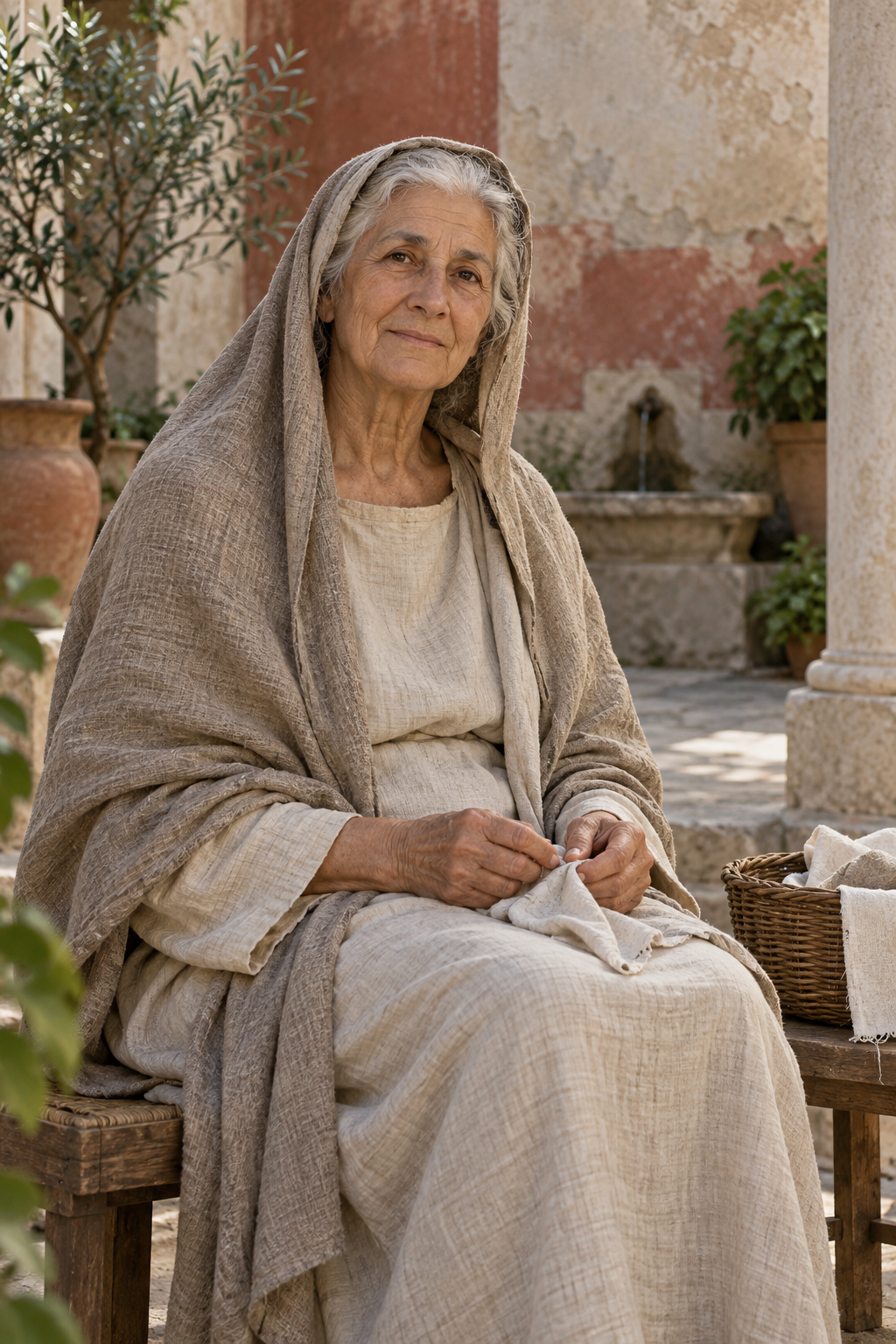
About Asella
Asella was a Christian virgin in late fourth-century Rome. In Letter 24 (384), Jerome says she was consecrated before adolescence and chose an ascetic life after twelve. He describes prayer, work, simple clothing, seclusion, and visits to martyrs' shrines. Jerome credits Marcella with some details and presents Asella as an example for other women. His praise is near-contemporary evidence, but it is a deliberate model of ascetic life, not a neutral biography or proof of an exact birth year.Asella practiced withdrawal without leaving the imperial capital. Recent scholarship uses her to discuss early female household asceticism, before the institutional forms that “nun” may suggest today. Yet Jerome selected and shaped details to promote his ideal of renunciation. A Durham study warns that such letters turn Roman women into literary exemplars and do not give transparent access to every feature of their lives. Asella's vocation appears to have begun before Jerome entered this circle, so he should be treated as its advocate and witness, not its creator.Jerome addressed Asella directly in Letter 45 while leaving Rome in August 385. The work is chiefly his defense against accusations surrounding his relationships with Roman Christian women. Its choice of recipient nevertheless shows that he trusted Asella's regard and expected her to convey his farewell within their circle. It cannot reveal her own judgment: no reply survives. Nor does Jerome's esteem establish that she held an office such as abbess or teacher.Palladius supplies the essential independent witness. In the Lausiac History, he says that he saw Asella in Rome when she had grown old in a monastic setting. He remembers her as gentle and as a supporter of women's ascetic communities. The notice confirms that her vocation continued into old age and extended beyond private discipline, but it does not name a community, office, property, or form of support.No reviewed source records Asella's death. A Catholic reference entry reports that she was alive in 405 and says that the circumstances of her death are unknown. It traces her December 6 commemoration to late medieval martyrologists. The Roman Martyrology now names her on that date, and the Vatican calendar lists her there; a feast is not evidence that she died on December 6 or around 406.The record is unusually narrow: two interested letters from Jerome and one brief independent notice. None preserves Asella's own words. Together they show a vocation sustained from youth into old age, a trusted place in a Roman Christian network, and later support for other women pursuing ascetic lives. Those limited facts make her significant in the history of Christian household asceticism, while leaving her genealogy, formal authority, and death unknown.
Wondering how to weigh the stories and sources? Learn how to read a saint biography.