Biography
Basiliscus of Comana
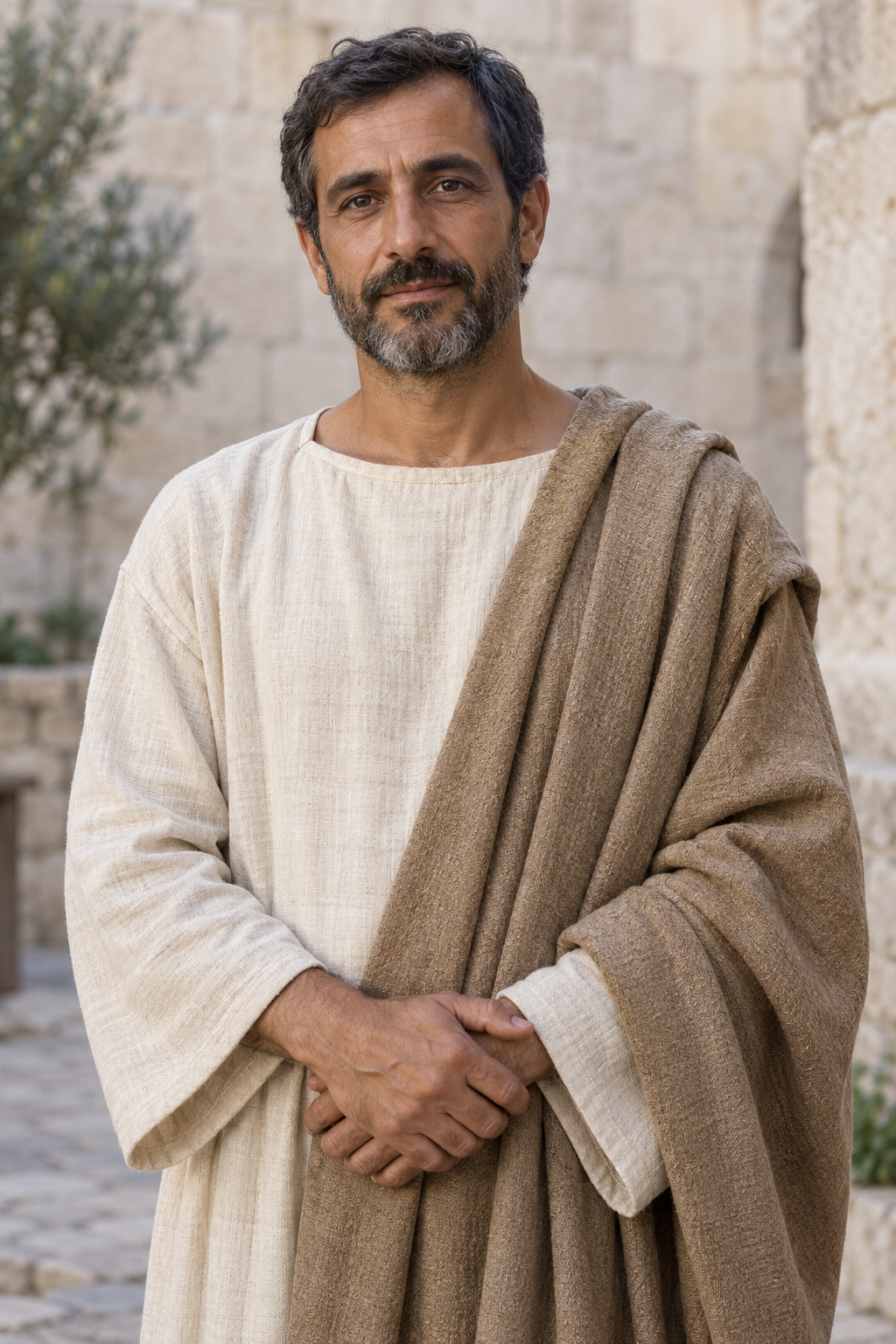
About Basiliscus of Comana
Basiliscus is remembered as a Christian martyr associated with Comana. Palladius’s account of John Chrysostom identifies him as a bishop of the city and says that he was martyred at Nicomedia with Lucian. The same account describes a shrine dedicated to Basiliscus outside Comana, where Chrysostom lodged during his final journey and was eventually buried.
Palladius also recounts a vision in which Basiliscus appeared to Chrysostom shortly before his death. This is a religious account of consolation, not an independently verified encounter. It shows how the earlier martyr’s memory formed part of the story told about Chrysostom’s final days.
A later received tradition gives Basiliscus a more detailed life. The Orthodox Church in America’s account connects him with Theodore the Recruit, Eutropius and Kleonikos. It describes imprisonment, refusal to sacrifice to pagan gods and execution at Comana. Its miraculous episodes include a spring appearing and a temple destroyed by heavenly fire. These are elements of the Passion tradition.
The sources cannot be combined into one certain chronology. The scholarly dictionary entry signed A.W.H. places his death in 312 and distinguishes Maximin from the imperial name Maximian in Palladius’s transmitted account.
The Orthodox account gives 308.
The older Catholic Encyclopedia also questions the identification of Basiliscus as a bishop. Its discussion moves among different cities named Comana, so its geographical statements require particular care.
The archaeological project at Komana identifies the Pontic site near modern Tokat in Turkey and distinguishes its sanctuary from the similarly named sanctuary in Cappadocia. That geographical context helps separate the cities. It does not establish where Basiliscus was born or resolve the competing accounts of his death.
Catholic sources continue to name Basiliscus as a saint. Orthodox sources continue to name Basiliscus as a saint.
His memory therefore rests on an early shrine tradition and continuing church commemoration, while much of his personal story remains uncertain.
Wondering how to weigh the stories and sources? Learn how to read a saint biography.