Biography
Bénézet
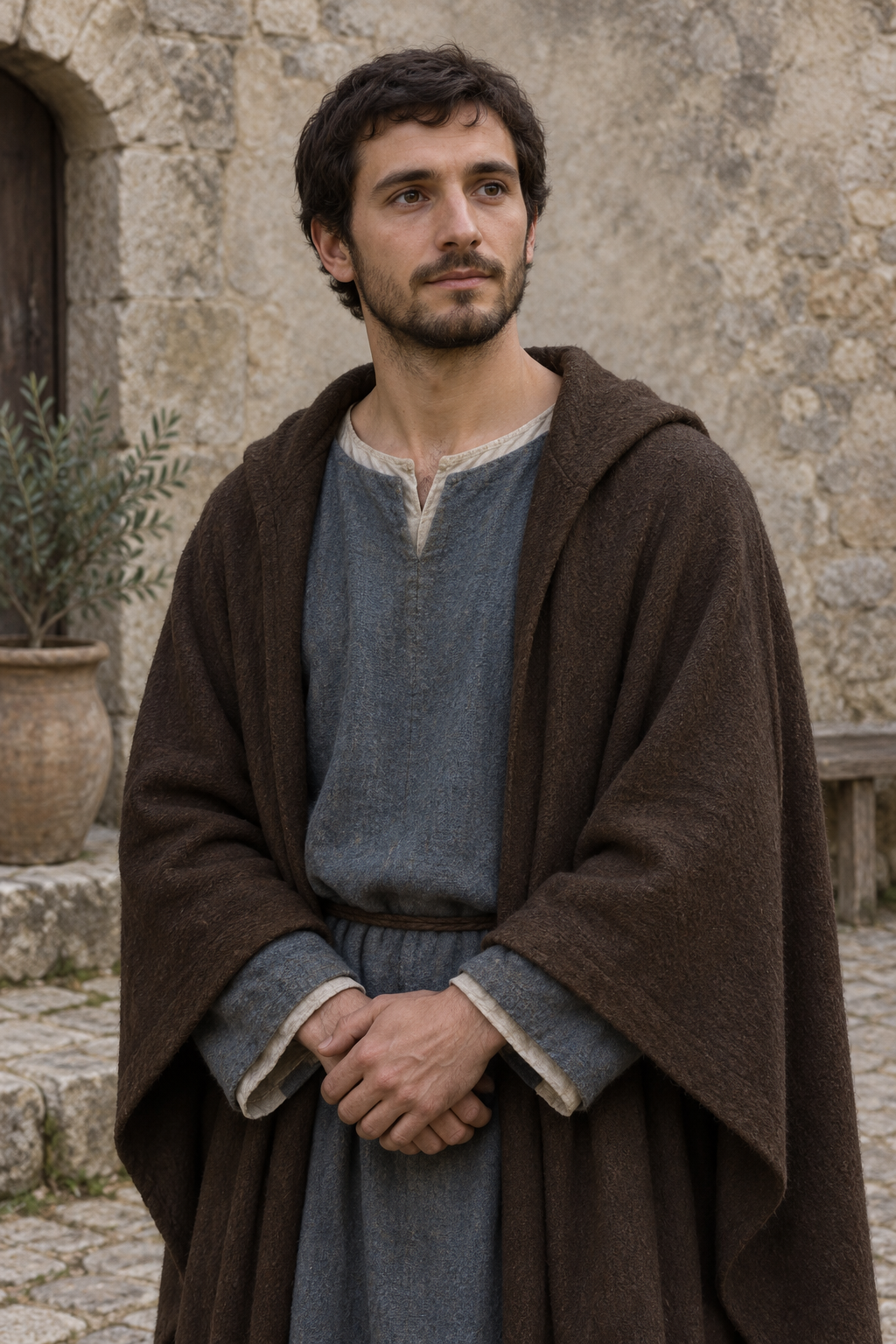
About Bénézet
Bénézet is associated with the work of building a bridge across the Rhône at Avignon. The PAVAGE research team identifies documentary references from 1181 to a brother named Benedictus, described as the initiator and minister of a charitable undertaking. Its task included gathering funds for construction and maintenance. The study places Bénézet’s death in 1184 and cautions that the bridge was not then finished.
The researchers also distinguish the beginning of the undertaking from the chronology of the masonry bridge. They question the usual interpretation of a toll charter transmitted in later copies and compare written evidence with material recovered from the buried piers. Their findings suggest later construction phases. The surviving monument should therefore not be treated as an unchanged structure built entirely during Bénézet’s life.
Herbert Thurston’s study of bridge-building brotherhoods describes such work as both a public service and an act of piety. Associations could gather money, organize labour and provide hospitality for travellers. He cautions against assuming that these communities formed a single religious order whose members all took perpetual vows. His account also questions the authenticity of a papal document often cited in their history. Bénézet’s connection with the undertaking does not by itself establish his membership in a vowed monastic order.
The received story remembers him as a young shepherd who heard a heavenly call to build the bridge. It tells of a stone carried with extraordinary strength as a sign of that calling. Nominis presents these episodes as legend and tradition. The narrative expresses a religious understanding of his work, while the miraculous details remain distinct from the documentary evidence of the project.
His name continues in the remembrance of the bridge and in local worship. The Diocese of Avignon lists Saint Bénézet on 14 April. This diocesan observance is a direct witness to his veneration, without supplying a precise date of formal canonization. The memory of his work joins a practical need for crossing the river with the lasting religious remembrance of the person associated with its beginnings.
Wondering how to weigh the stories and sources? Learn how to read a saint biography.