Biography
Callixtus of Todi
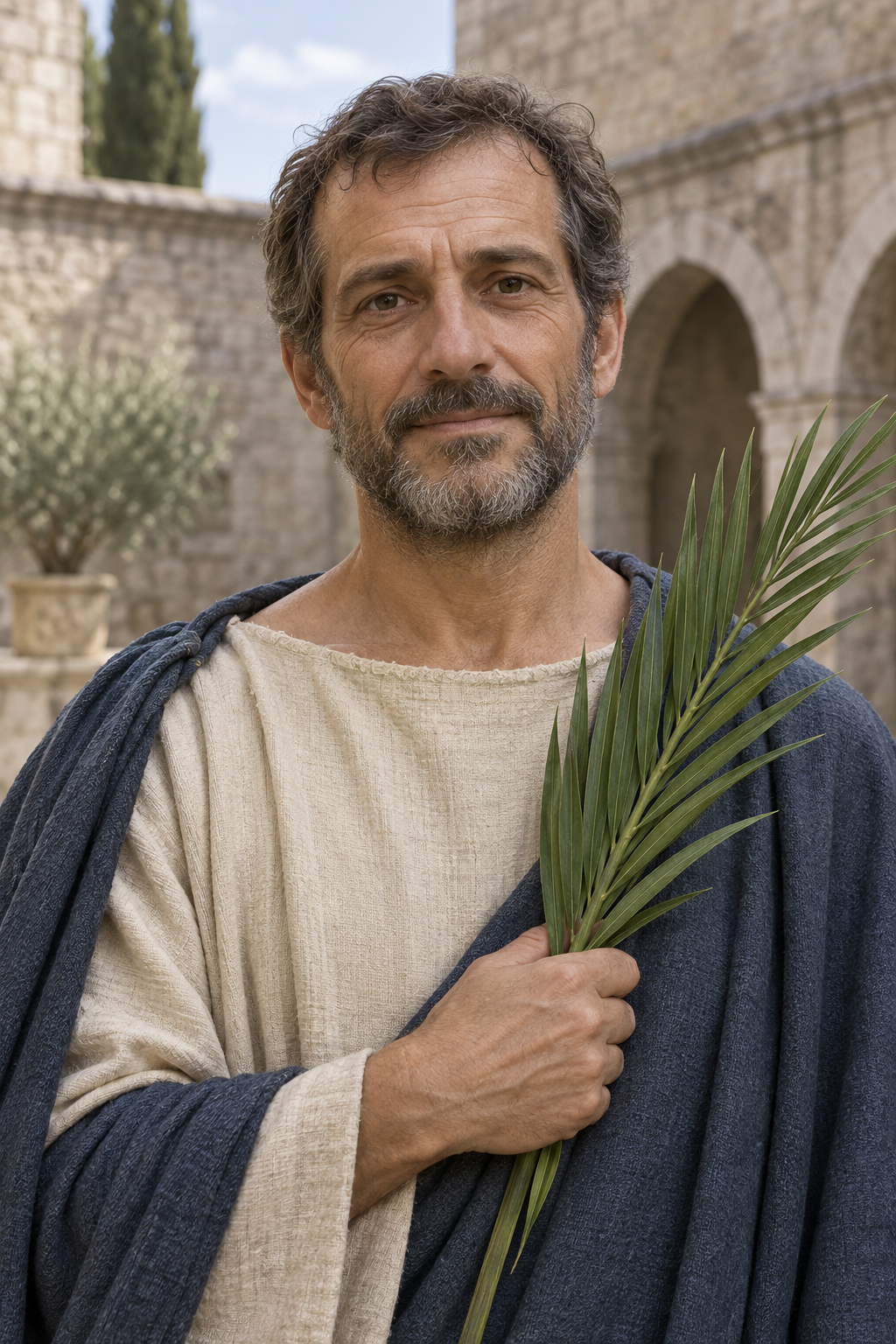
About Callixtus of Todi
Callixtus of Todi is the name attached to a local cult whose personal identity cannot now be established with confidence. The catalog's previous sentence called him an early martyr from Todi, but it supplied no date, office, narrative, or source. Later devotional accounts describe a bishop who governed Todi while Gothic rulers supported Arian Christianity and who died violently in 528. Those details belong to a late local tradition, not to contemporary testimony. No surviving act of martyrdom, letter, inscription, or early episcopal list securely identifies such a person. A responsible account must therefore begin with the evidence for remembrance and resist turning that remembrance into a complete sixth-century life.
The Bollandist commentary printed in the seventeenth-century Acta Sanctorum is unusually candid about the weakness of the record. It says that Callixtus was once unknown to calendars outside the church of Todi and that no acts of his life were known. Its editors found only a short Italian compilation drawn from local annals and a closely related Latin notice based on the office used at Todi. That notice calls him a bishop, places him during Gothic occupation, credits him with protecting his church from Arian teaching, and associates him with a cathedral near the city forum. It also supplies the received death in 528. The commentary preserves the tradition, but its own source criticism prevents those claims from being labeled documented biography.
This distinction matters because early medieval Italy contains many damaged records and repeated saint names. A local church could preserve a sincere cult while later writers supplied chronology and narrative from assumptions, liturgical texts, or another saint's story. Callixtus is also a form of the name Callistus, borne by the third-century bishop of Rome now known as Pope Callixtus I. Shared names and intersecting feast customs can produce duplicate identities in calendars. The evidence available here does not prove exactly how Todi's tradition arose. It does show that the supposed local bishop entered broad martyrological notice late, after a period in which the cult was confined to Todi.
Material and civic memory provide firmer evidence for the later cult. The municipality of Todi says that an urn in the crypt of San Fortunato holds bones attributed to the city's protecting saints: Fortunatus, Callixtus, Cassian, Degna, and Romana. Italy's national tourism agency likewise presents Callixtus among the saints remembered there. These modern descriptions document the attribution and its continuing place in Todi's heritage. They do not authenticate the bones, determine when each fragment entered the collection, or establish the biography of each named saint. A shrine can be historically real even when the identity assigned to relics remains uncertain.
The current liturgical judgment of the Diocese of Orvieto-Todi changes how the catalog should interpret that evidence. In its diocesan proper, approved for present worship, the October entry commemorates Pope Callixtus I, pope and martyr. The introduction explicitly says that an ancient tradition mistakenly numbered that pope among the bishops of Todi. The diocese therefore does not present an independently verified sixth-century bishop called Callixtus. This is more than silence: it is an official correction by the local church most directly responsible for the inherited tradition. It does not erase medieval devotion or civic heritage, but it rules out repeating the old identification as settled local history.
The dates attached to the two traditions should not be combined. Fourteenth of August belongs to the late martyrological notice for the supposed bishop of Todi. Twelfth of October is the date used in the current diocesan proper for Pope Callixtus I, while the broader Roman calendar commonly observes that pope on October 14. None of these dates supplies a historical death date for a distinct Callixtus of Todi. The catalog therefore leaves birth and death blank. It records the older August observance only as a historical local tradition and the modern diocesan correction as an identity event, rather than inventing a lifespan from a feast day.
The same caution applies to vocation and virtue. The traditional story calls its subject a bishop and martyr, but the present diocese identifies that subject with a pope of Rome. Calling row 234 a layperson is unsupported, yet assigning a separate episcopal office would imply that the disputed identity had been resolved. The normalized record preserves bishop and martyr only as traditional claims while explaining the dispute. It cannot responsibly attach personal virtues to actions known only from the late notice. No reliable words of this supposed saint survive, so no quotation is supplied. No prayer is reproduced because the current diocesan collect addresses Pope Callixtus I and would deepen the conflation.
What remains significant is a transparent case study in how sacred memory and historical criticism can coexist. Todi still preserves a place, relic attribution, and inherited name. The Bollandists recorded the local account while acknowledging that its evidence was late. The modern diocese went further and corrected the identification. Readers can honor the community that carried the memory without claiming knowledge that the sources do not provide. Until stronger evidence emerges, 'Callixtus of Todi' should be understood as a disputed local cult identity, probably formed through association with Pope Callixtus I, rather than as a securely documented sixth-century person.
Wondering how to weigh the stories and sources? Learn how to read a saint biography.