Biography
Candelaria de San José
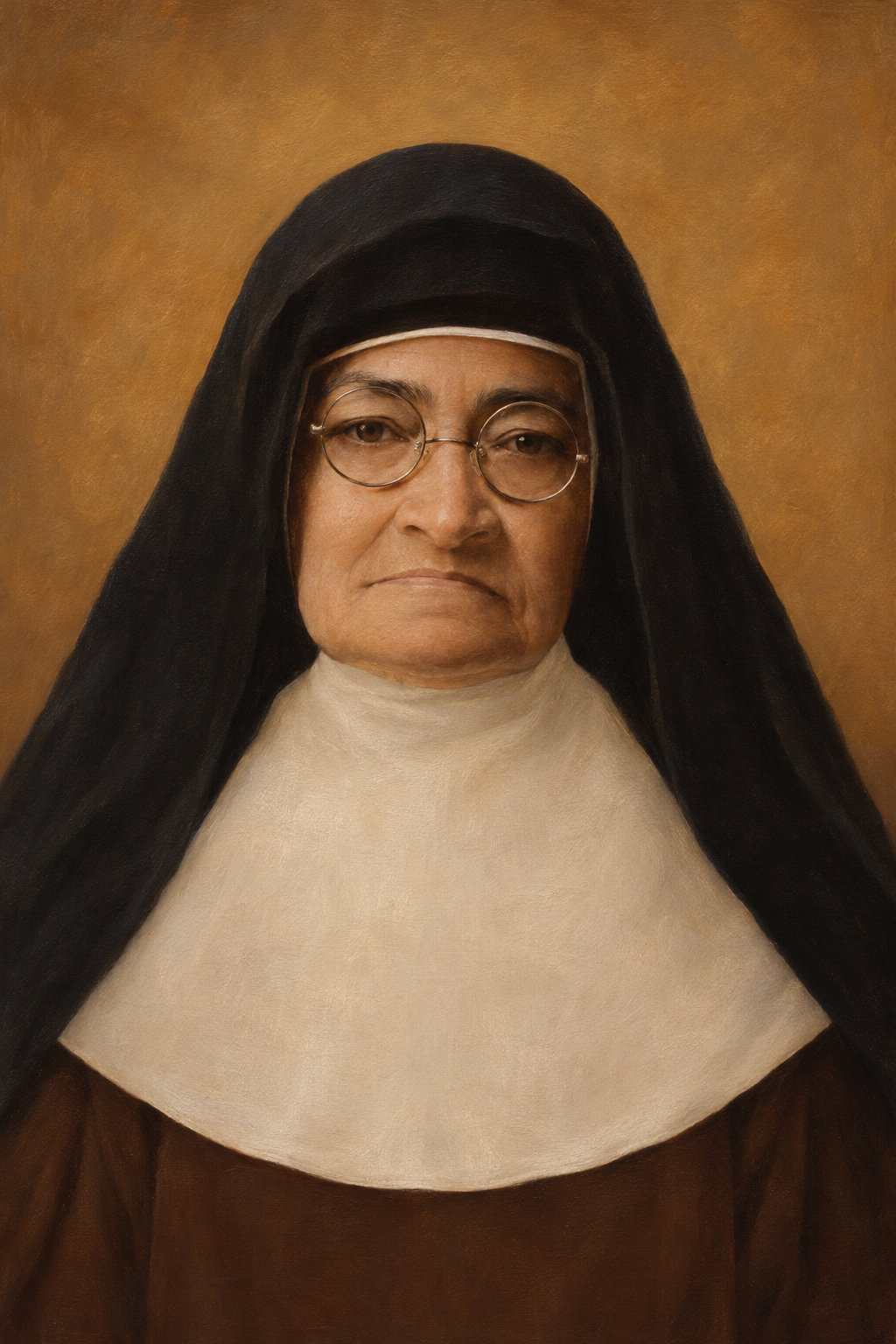
About Candelaria de San José
Candelaria de San José began her work with sick and injured neighbors before there was a congregation to support it. Born Susana Paz Castillo Ramírez at Altagracia de Orituco, Venezuela, on August 11, 1863, she was a daughter of Francisco de Paula Paz Castillo and María del Rosario Ramírez. Her father used a knowledge of natural medicine to help people who sought his assistance. He died when Susana was seven. She received limited formal schooling but learned to read, write, sew and embroider. After her mother's death in 1887, she assumed responsibility for the household. At the same time she cared for sick and wounded people in a partly abandoned house beside the parish church. Other young women, local physicians and the parish priest, Sixto Sosa, joined the effort. In 1903 they established a hospital. Susana made hammocks and canvas beds for its patients. The hospital work became the beginning of the religious community later known as the Carmelite Sisters of Mother Candelaria.
Supporting the hospitals required long journeys and persistent fundraising. Rafael Febres-Cordero's account follows Candelaria through the eastern regions of Venezuela as the work expanded. The sisters assumed responsibilities at Upata and Porlamar and later at hospitals in Barcelona and Cumaná. Candelaria's own serious illness brought her to the Hospital Vargas in Caracas for surgery in 1919. Recovery did not end her work. The search for a stable religious organization continued alongside the search for food, medicine and funds. Contact with Carmelite friars in Venezuela opened a path toward affiliation with the Order of Carmel. In 1925 the community requested and received incorporation into the order. The same account describes her and the Carmelite Elías Sendra taking food and medicine to people affected by the 1929 Cumaná earthquake. By the time she relinquished leadership, the congregation was responsible for hospitals and educational establishments. These activities placed institutional development alongside the immediate needs of patients and displaced families. In 1935 the sisters opened the Nuestra Señora del Carmen school at Cumaná. At the 1937 change of superior, Febres-Cordero records nine houses, including five hospitals, two schools, a seminary and the central house with its novitiate.
Susana had taken the name Candelaria de San José when she made her religious profession in 1906. After leaving general leadership in 1937, she continued serving as novice mistress despite illness.
The historian Ignacio Castillo Sosa describes her life through the care of sick people and those injured in war. His account locates her death at Cumaná on January 31, 1940. The community's remembrance eventually became part of a wider Venezuelan devotion, centered also in Caracas. Her name recalls a Venezuelan founder whose religious work grew from local service rather than from an institute imported fully formed from abroad.
At her beatification, Cardinal José Saraiva Martins emphasized what the testimony for her cause revealed about the manner of that service. He described hours at patients' bedsides, demanding journeys to obtain hospital funds and personal sacrifices to ensure that sick people could eat. His homily recalled her willingness to give up her own bed to a patient and her particular attention to people with contagious illness. It also remembered care extending to people hostile to religion. The work was joined to catechesis for children and adults and to responsibility for the sisters themselves. In Saraiva Martins's interpretation, their founder's central quality was her ability to console. He connected the practical assistance with her prayer and understanding of Christian charity. His applications to the care of terminally ill people, the elderly and other vulnerable groups expressed the continuing relevance he saw in her life. Those applications should be distinguished from the specific institutions and medical settings in which Candelaria herself worked. He also emphasized her uncomplaining patience toward people who made hospital service difficult, and the steady availability that witnesses remembered in her dealings with patients.
The public recognition followed a long examination of her life and writings. A contemporary report by Honegger Molina notes the discovery of letters addressed to Sixto Sosa in the episcopal archive at Cumaná. The Carmelite fathers prepared the cause, and its early diocesan process began in 1969. The letters helped preserve the voice of a founder whose work had often consisted of difficult travel, care and administration. On April 27, 2008, Cardinal Saraiva Martins presided at her beatification at the university stadium in Caracas as Benedict XVI's representative. Molina witnessed pilgrims arriving from across Venezuela, including groups from Candelaria's native region. Sisters brought relics to the altar after the proclamation. The ceremony's offerings included agricultural produce from Guárico. Its music and participating communities placed the recognition within Venezuelan religious life. The rite authorized an annual celebration on February 1. Catholics honor her as Blessed Candelaria de San José, and the congregation bearing her name continues to carry the memory of her service.
Wondering how to weigh the stories and sources? Learn how to read a saint biography.