Biography
Casilda of Toledo
About Casilda of Toledo
Casilda of Toledo is remembered in the Burgos region as a woman whose compassion for Christian prisoners led toward a life of Christian prayer. Her personal history is difficult to recover. M.ª Pilar Panero García’s account for the Museum of Human Ecology places her in the eleventh century but stresses the late appearance of the surviving narrative. Precise birth and death dates cannot be securely established from that tradition.
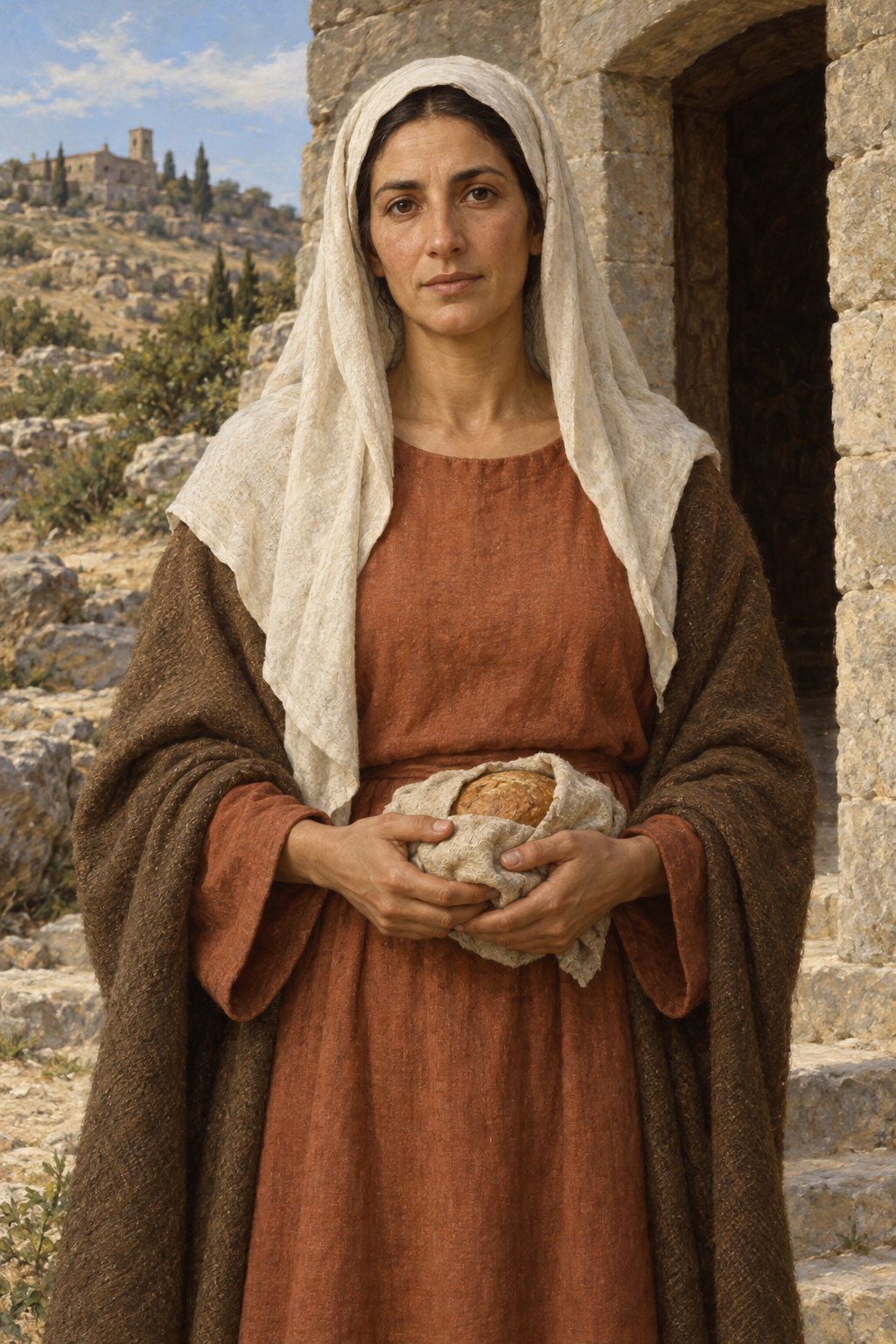
The familiar legend makes Casilda the daughter of a Muslim ruler of Toledo. She secretly brings food to Christian captives. When her father confronts her, the bread she carries becomes flowers. The same narrative later brings her, seriously ill, to springs near Briviesca associated with Saint Vincent. It describes her recovery, baptism and adoption of a solitary religious life nearby. These episodes express the themes of her devotion, but are not contemporary documentation of her life.
Her later cult is more readily traced. The Archdiocese of Burgos describes vows to observe her annual celebration in the fifteenth century and the building of a sanctuary over an earlier hermitage in the sixteenth. It identifies her as patron of La Bureba and records the Briviesca pilgrimage from 1734. The shrine became a place where successive generations brought their hopes and difficulties to prayer. This continuing devotion is distinct from certainty about every episode in the saint’s story.
Casilda also became a familiar subject in Spanish art. The Thyssen-Bornemisza Museum dates Zurbarán’s painting of her to about 1635. Mar Borobia explains that the roses have sometimes caused confusion with Elizabeth of Hungary, who shares that attribute. The rich clothing and jewellery belong to the painter’s treatment of the subject centuries later. They do not provide evidence of how the woman remembered in the medieval tradition actually dressed.
The Fundación Joaquín Díaz describes the further growth of her story in literature and popular belief. It notes a nineteenth-century novel about her and traditions associating her with relief from illness. Such material helps explain how a local saint’s reputation spread, while remaining different from an early biography. Stories of healing should be understood here as expressions of devotion, not as evidence that a spring or an object provides medical treatment.
The diocesan calendar at Burgos remembers Casilda on 9 May. Its account preserves her association with prayer and penitence near the sanctuary of Saint Vincent. Her remembrance centres on mercy toward prisoners and a religious life away from the courtly setting assigned to her by tradition.
Wondering how to weigh the stories and sources? Learn how to read a saint biography.