Biography
Cosmas
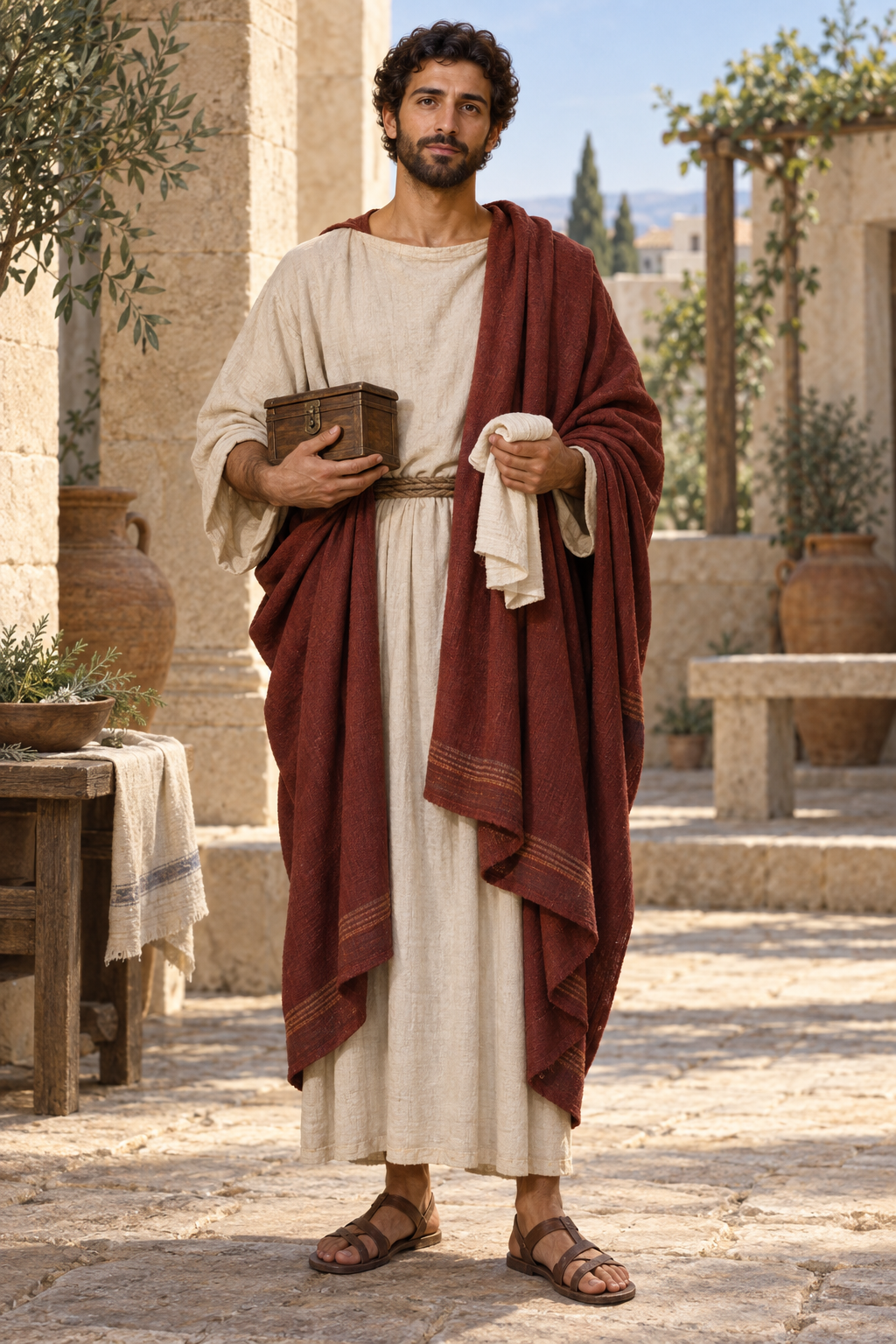
About Cosmas
Cosmas is known chiefly in the Church’s memory alongside Damian. The sources used for this account do not offer two independent documentary biographies; they preserve a shared tradition of brothers remembered as martyrs and healers. The Roman Martyrology page says that Cosmas and Damian practiced medicine without asking compensation in Cyrrhus, Syria, where many were healed through their free care. That concise notice supports the core claim of charitable healing while avoiding claims about medical techniques, family history, or personal conversations.
The name *anargyroi*, remembered in the Vatican’s description of the Roman station church, means those who did not take payment. In devotional language, this characteristic has made the brothers patrons for people who seek healing and for those who care for the sick. Historically, the source permits a modest conclusion: Christian memory has linked their martyrdom with care freely offered to poor people. It does not permit an embellished clinical history or a claim that every account of their miracles can be independently verified.
Their shared commemoration has a long Roman reception. The Vatican station account says that Pope Felix IV dedicated a sacred building in Rome to the brothers and recalls their relics and the famous apse mosaic in the basilica. This Roman devotion matters because it shows how the Church received the martyrs: their memory entered worship, architecture, visual art, and the liturgical year.
Cosmas’s entry must remain clear about identity. He is not an alternate name for Damian, and this record should not repeat every phrase as though it were a separate life. The brothers are presented together in the sources because their witness and healing service belong to one tradition. Distinguishing their catalog entries helps users find each name; it should not turn a paired commemoration into a false claim that the surviving evidence gives equally detailed individual narratives.
The Christian meaning of the tradition lies in care without exploitation. The phrase “without payment” does not reduce their service to a slogan. It identifies a form of mercy in which healing was not made conditional on wealth. The martyrs’ story therefore speaks both to the dignity of the sick and to the vocation of those who serve them. That theological reception can be stated without treating legend as a modern medical record.
Their feast keeps the brothers before the Church as martyrs whose charitable care and confession of faith are remembered together. The available sources do not resolve every chronological or geographical variation found in later hagiography. This entry deliberately leaves those matters open. It preserves what the Vatican’s own summaries establish: Cosmas, with Damian, is honored as a martyr, a healer, and a witness to freely given care.
The Roman reception of the brothers offers a concrete way to understand how devotion travels. A tradition associated with Syria came to be honored in a Roman basilica, where liturgy, relics, and images sustained the memory across centuries. The station account describes a worshiping place rather than a scholarly biography, but it is important evidence of reception. It shows that Cosmas and Damian were not remembered only in texts; they were remembered through communal prayer and sacred art.
The paired tradition also protects against an individualistic reading of care. Cosmas’s name is inseparable from Damian’s in the sources because their service was shared. This does not erase Cosmas as a person, but it cautions against turning a joint witness into a competition for separate details. In an era that often prizes individual achievement, the brothers’ commemoration points toward care sustained by companionship and common purpose.
The phrase “without payment” deserves ethical attention. It does not mean that medical work has no value or that caregivers should be deprived of support. In the tradition’s setting, it identifies the refusal to deny aid because a sick person lacks money. The moral force of the memory lies in its insistence that mercy reaches people who are poor. That is a theological interpretation of the source, not a claim about an ancient health system’s full organization.
Martyrdom belongs to this witness as well. The Vatican sources name the brothers as martyrs but do not provide a detailed trial narrative in the materials used here. The entry therefore avoids dramatized descriptions of their deaths. It can still say that their care was received within a Church memory shaped by sacrifice, and that the combination of healing and martyrdom gave the pair a distinctive place in Christian devotion.
Cosmas’s record is deliberately parallel to Damian’s because evidence requires it. Each catalog page can direct readers to the same shared history while preserving a separate identity and search path. The important safeguard is not to create duplicate claims pretending to be independent evidence. The sources establish a paired account, and the database should make that relationship transparent.
Wondering how to weigh the stories and sources? Learn how to read a saint biography.