Biography
Cyprian of Carthage
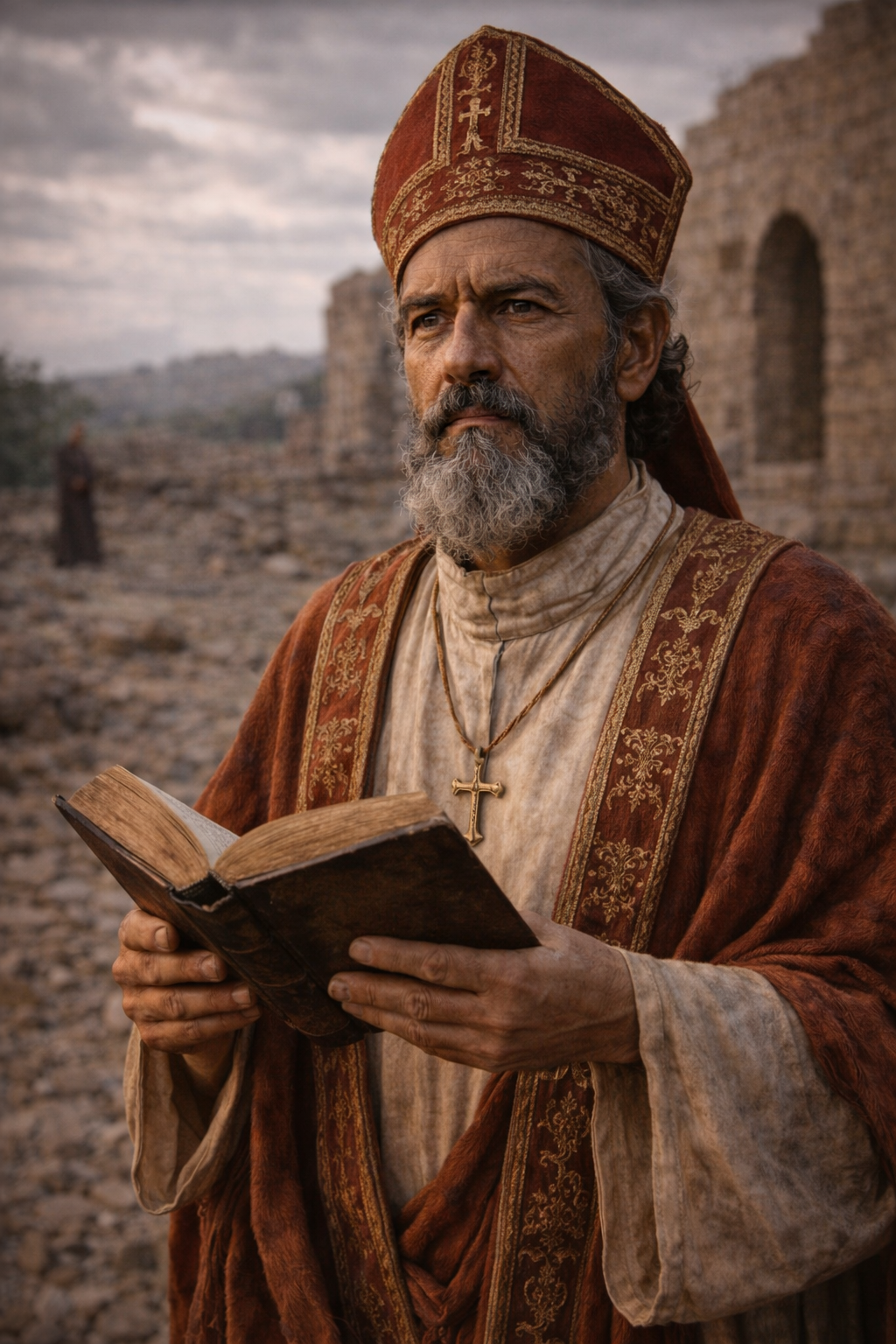
About Cyprian of Carthage
Cyprian lived in Carthage, the major city of Roman North Africa, during the first half of the third century. Modern ecclesiastical synthesis places his birth about 200 in a prosperous pagan family, but no civil record supplies an exact year or birthday. He received the education expected of a public speaker and worked as a teacher of rhetoric. The deacon Pontius, who later wrote an admiring account of his bishop, says little about childhood and concentrates on the Christian years. Cyprian's own surviving writings begin after conversion. They make him unusually visible as an author and administrator while leaving his family background, earlier career, and motives less certain than later biographies sometimes suggest.
Cyprian became a Christian about 246. In a work written soon after baptism, he described conversion as release from habits that had seemed impossible to change. Pontius reports that he redirected substantial property toward people in need and lived with greater simplicity. Within a short period he entered the clergy, and the Christian community elected him bishop of Carthage about 248 or 249. Pontius presents popular support and clerical opposition, evidence that the election was not effortless or unanimous. Cyprian's rapid rise gave him responsibility for a large, divided church just before imperial policy placed Christians under severe pressure. His letters, rather than an idealized portrait, reveal the practical demands of that office.
The emperor Decius required inhabitants of the empire to demonstrate sacrifice, producing certificates that became evidence of compliance. Cyprian left Carthage when the persecution began in 250 and directed the church through letters. Critics accused him of abandoning his people. Cyprian and Pontius instead represented the withdrawal as a way to preserve pastoral leadership while officials actively sought him. The surviving correspondence shows him arranging aid, communicating with clergy, and trying to maintain discipline from hiding. It also shows that Christians responded differently: some refused and suffered, some sacrificed, some obtained certificates, and others later sought restoration. The record supports his absence and continuing administration; it does not make every judgment about the wisdom of flight historically neutral.
When the immediate persecution eased, the treatment of Christians who had lapsed became the most urgent dispute in Carthage and Rome. Some confessors issued recommendations for rapid reconciliation, while stricter voices resisted restoration. Cyprian argued that serious failure required examination and penance, but he also rejected a permanent closing of the church's door. Councils of African bishops developed differentiated responses according to circumstances, especially when renewed danger made pastoral care urgent. His Letter 55 explains both accountability and the possibility of peace. The policy was contested, and rival leadership emerged at Carthage. Cyprian's contribution was not a simple compromise formula; it was sustained work to reconnect discipline, communal deliberation, and care for people who wished to return.
A devastating epidemic brought another test to North African communities in the 250s. Pontius says that Cyprian organized practical care in Carthage and urged Christians to assist not only fellow believers but also neighbors who opposed them. The account is written by a devoted associate and frames the response as an example of Christian conduct. Even so, it preserves a concrete picture of leadership: people were assigned according to their resources, some contributing money and others personal labor. Cyprian also wrote about mortality and fear during the crisis. These sources do not provide modern epidemiological details, but they document a community confronting widespread illness and a bishop directing service across boundaries of friendship and hostility.
Cyprian's efforts to defend unity did not prevent serious disagreement with Stephen, bishop of Rome. North African councils supported the practice of baptizing people who entered the church from groups regarded as heretical; Stephen defended recognition of baptism already conferred in the received form. Cyprian insisted that bishops were responsible before God and resisted coercion among colleagues. The dispute became sharp, but Cyprian's surviving record also includes consultation with bishops beyond Carthage. Later Christian traditions did not simply preserve his sacramental conclusion as their own. The episode is important because it displays both the reach and limits of episcopal cooperation in the third century, before later jurisdictional formulas had reached their mature forms.
Under Emperor Valerian, Cyprian faced formal proceedings. The proconsular acts record that in 257 he identified himself as a Christian and bishop, refused participation in Roman rites, and was exiled to Curubis. He later returned near Carthage. Cyprian's Letter 80 reported a harsher imperial rescript ordering the execution of bishops, priests, and deacons; it also relayed news that Sixtus II of Rome and several deacons had been killed. In September 258 authorities brought Cyprian before Proconsul Galerius Maximus. The acts present a short interrogation, his refusal to sacrifice, and a sentence of death by the sword. This administrative record provides firmer evidence than the more embellished details found in later martyr devotion.
Cyprian was beheaded near Carthage on September 14, 258. The acts say that a crowd accompanied him, that he ordered twenty-five gold pieces given to the executioner, and that Christians later carried away his body. Some details may reflect the record's transmission within a worshipping community, but the date, place, sentence, and execution are early and strong evidence. Cyprian left a substantial collection of letters and treatises on prayer, pastoral discipline, church unity, suffering, and the duties of bishops. Roman Catholic communities commemorate Cyprian with Cornelius on September 16, while Orthodox calendars preserve separate observances. He remains significant as a writer whose theology was tested in concrete crises of persecution, division, disease, and public judgment.
Wondering how to weigh the stories and sources? Learn how to read a saint biography.