Biography
Damian
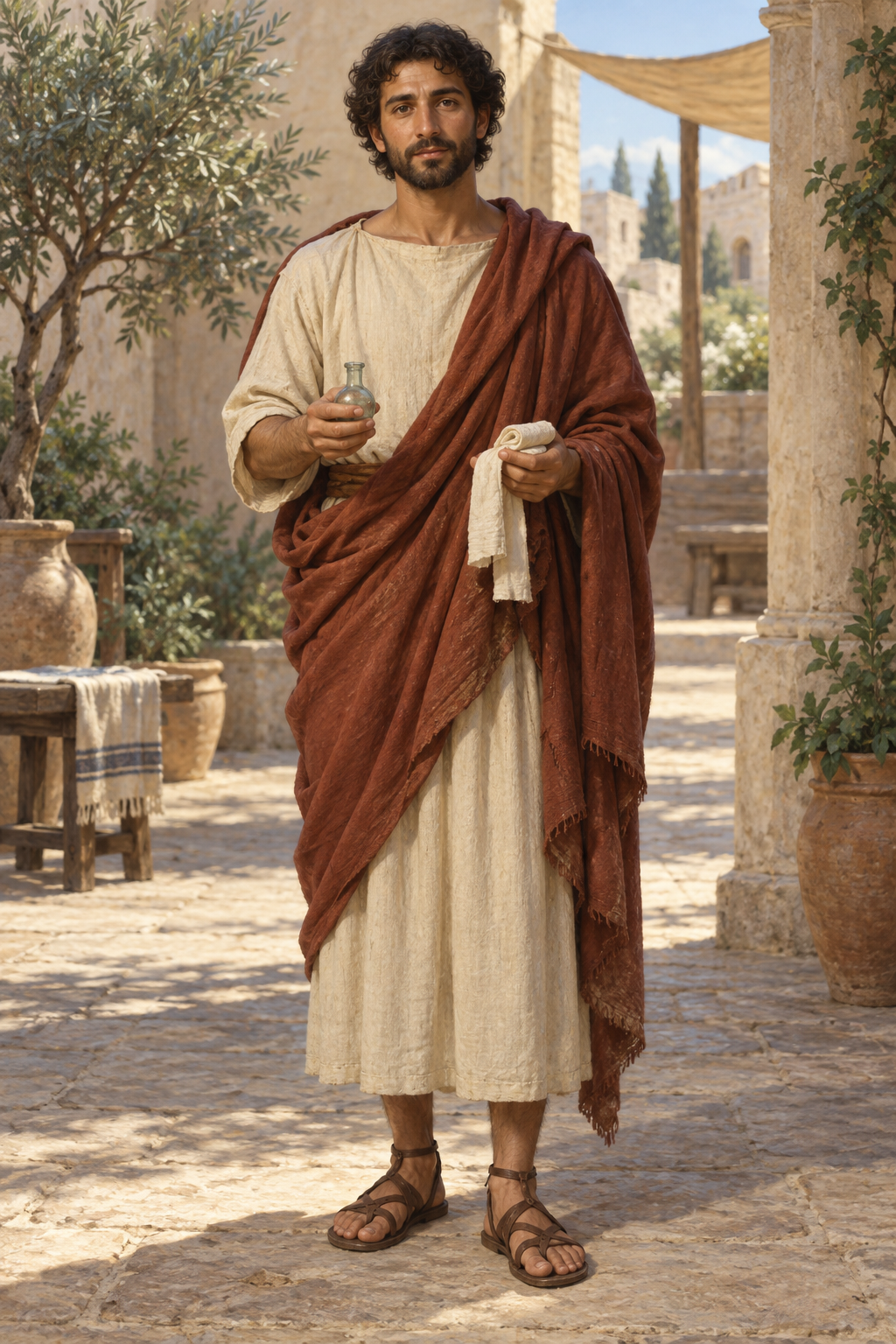
About Damian
Damian is honored in a single tradition with Cosmas, his brother and fellow martyr. The Roman Martyrology records that the two practiced medicine in Cyrrhus, Syria, without asking any compensation, and that many were healed through their free care. This is the most reliable starting point for an account of Damian: he is not a lone figure with an independently documented story, but one half of a pair whose service and martyrdom were received together by the Church.
The brothers are known in Christian tradition as the *anargyroi*, a term the Vatican station account explains through their care for poor people without payment. In a world where illness could deepen poverty, the memory of unpaid care has lasting moral force. It suggests a ministry in which the sick were treated as neighbors, not as opportunities. That conclusion stays close to the source; it does not claim knowledge of every treatment, cure, or legendary miracle later associated with Damian’s name.
The same Vatican page calls Cosmas and Damian celebrated martyrs and describes their prominent Roman reception. Pope Felix IV dedicated a church to them, and their relics and images became part of its devotional life. Such reception does not supply a modern-style biography, but it records the remarkable durability of their witness: a local tradition of healing and martyrdom became embedded in the worship of Rome.
Identity needs particular care. This is Damian the brother of Cosmas; he is not Saint Peter Damian, the eleventh-century reforming bishop and Doctor of the Church. The distinction prevents two very different saints from being merged under one familiar name. It also prevents the catalogue from treating Cosmas and Damian as duplicate records. They are distinct persons whose principal evidence is shared.
Their joint feast offers a theological rather than merely antiquarian memory. Healing and martyrdom are placed together: the brothers served bodily need, and the Church remembers them as witnesses whose faith was costly. The sources do not explain every circumstance of their death. A careful entry says only what they establish—martyrdom—while refusing to add unverified courtroom scenes or dates.
Damian’s enduring image is therefore inseparable from his brother’s: a healer who did not demand payment, a martyr received by the Church in common with Cosmas, and a saint whose memory challenges Christians to join care for the vulnerable with integrity of faith. That paired account is not a limitation to overcome; it is the historical and devotional form in which the tradition has been handed down.
The Roman basilica dedicated to the brothers illustrates how a shared witness can become part of a city’s prayer. Its mosaics and relics are not evidence for every detail in later legends, but they are evidence that the Church has received Damian and Cosmas together for many centuries. Sacred art can make a memory visible without replacing historical inquiry. In this case, it directs worshipers toward Christ and places the brothers among the communion of saints.
Damian’s separate catalog identity is useful only if it remains truthful. Users may search for his name, and the record should make clear whom they have found. It should not imply that Damian has a different ancient biography from Cosmas or repeat unverified data under two headings. The paired sources are the appropriate basis for both pages; the distinction is one of person and name, not of artificially divided evidence.
Care for the sick has moral, practical, and spiritual dimensions. The traditional memory of unpaid care gives Damian a continuing resonance for people who work in health, caregiving, and social service. It should not be turned into a rule that professionals must work without support. Rather, it raises the question of whether access to care is denied to people because they are poor or powerless. The source supports that ethical reflection while remaining cautious about historical reconstruction.
Martyrdom prevents the story from being reduced to a charitable ideal. The Church calls Damian and Cosmas martyrs, and that title indicates a witness in which faith was costly. The sources used in this packet do not specify a date, prosecutor, or execution method. The entry therefore leaves them unspecified. To say no more than the evidence establishes is a form of respect for a tradition often surrounded by expansive hagiography.
The joint feast keeps Damian’s service connected to a community of prayer. It remembers a healer, a brother, and a martyr, not an isolated symbol. The source limitations are themselves instructive: the historical record is brief, but the liturgical and devotional reception is deep. A public catalog can serve readers best by making both realities visible and by refusing to turn reverence into false certainty.
Wondering how to weigh the stories and sources? Learn how to read a saint biography.