Biography
Daniel
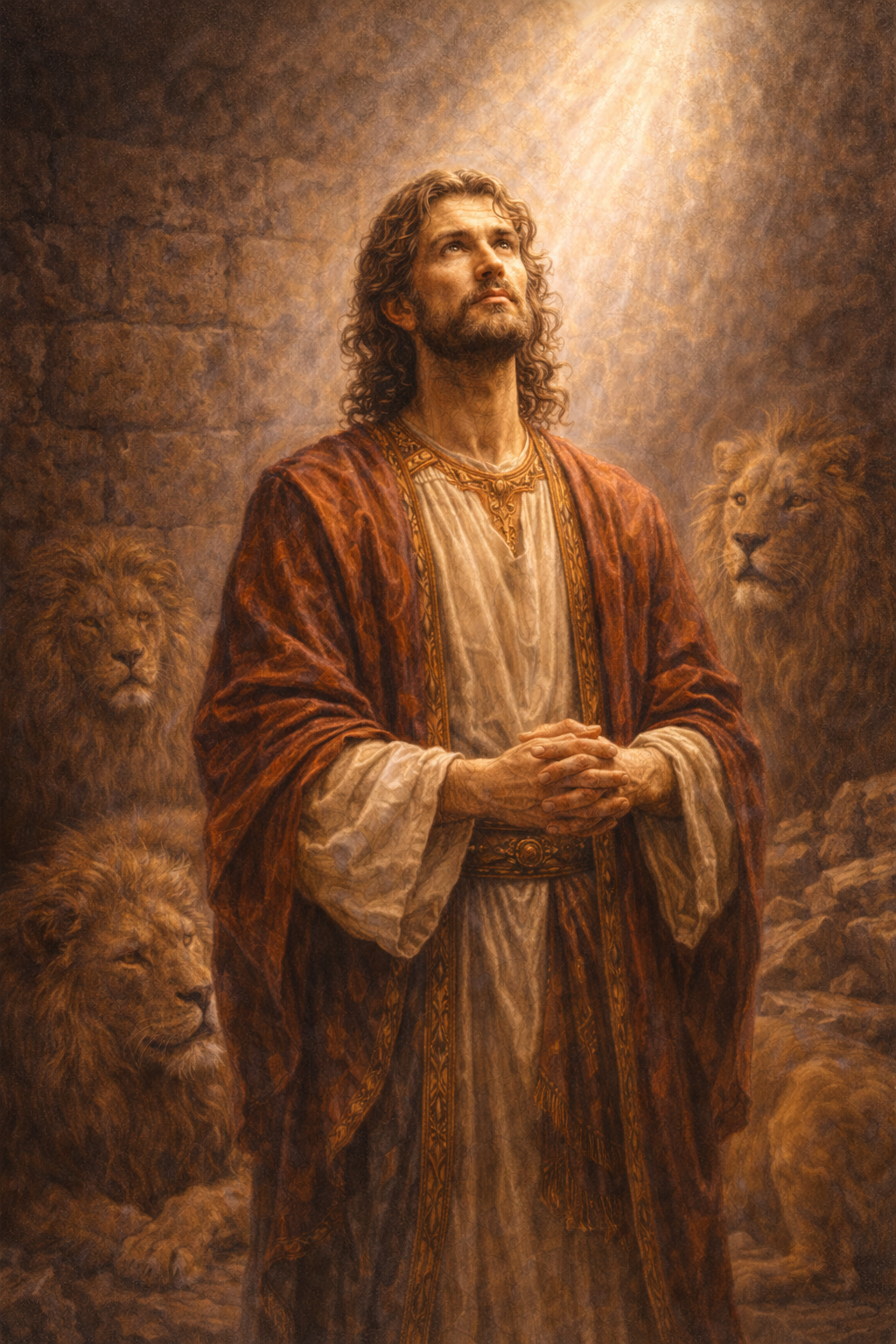
About Daniel
Daniel is the hero, not the identified author, of the biblical book bearing his name. The USCCB introduction classifies the work as early apocalyptic literature and says its author is unknown. Its court tales place Daniel among Jews deported to Babylon and extend his service into Persian rule, but the book’s final literary form addresses later persecution and cannot function as a modern biography. Accordingly, Daniel’s birth and death dates remain unset. This account distinguishes the traditional life narrated by Scripture from documented observations about the book’s language, structure, and reception.
The story opens with Jerusalem under attack and selected Judean youths taken for training in the Babylonian court. Daniel, Hananiah, Mishael, and Azariah receive new names; Daniel is called Belteshazzar. He resolves not to defile himself with the royal food and wine, yet he does not stage a reckless confrontation. He asks the official for permission and proposes a ten-day test of vegetables and water. The narrative says the four flourish and receive learning, while Daniel gains understanding of visions and dreams. This is literary and scriptural tradition, not independently recoverable personnel history.
When Nebuchadnezzar demands both his forgotten dream and its meaning, the court’s wise men face execution. Daniel responds with prudence: he asks for time, gathers his companions, and seeks mercy in prayer. After the mystery is revealed, he blesses God before approaching the king. He explicitly denies that superior personal wisdom explains the disclosure. The dream’s immense statue, shattered by a stone, portrays successive kingdoms yielding to God’s enduring reign. The chapter’s note cautions that this tale once circulated independently, so its chronology should not be forced into a seamless administrative record.
Daniel 3 centers on his companions rather than Daniel himself. They refuse the king’s golden image and are thrown into a furnace; the Greek form includes the Prayer of Azariah and the song of the three. Their rescue belongs to the book’s witness that imperial coercion does not command ultimate allegiance. Daniel later interprets Nebuchadnezzar’s tree dream and urges the king to atone through justice to the oppressed. The counsel is morally concrete, though the ensuing madness and restoration remain parts of the theological court narrative rather than clinically documented events.
At Belshazzar’s feast, sacred vessels taken from Jerusalem are used while the court praises manufactured gods. A hand writes on the wall. Daniel refuses promised gifts, recounts the pride and downfall attributed to Nebuchadnezzar, and interprets the words as judgment: the reign has been numbered, weighed, and divided. Belshazzar is killed that night in the story. The USCCB notes historical problems in identifying the rulers and sequence, so the episode should not be presented as a precise chronicle. Its enduring force lies in Daniel’s refusal to let patronage purchase a favorable verdict.
Under Darius, rival officials exploit Daniel’s regular prayer to engineer a decree against petitions to anyone but the king. Daniel continues praying openly toward Jerusalem and is placed in a lions’ den. The king, trapped by his own edict, fasts; at dawn Daniel is found alive and attributes his safety to God. The accusers and their families are then thrown to the lions and crushed. That collective retaliation is part of the story’s violent imperial world and should not be softened or copied as an ethical model. Daniel’s steadfast prayer can be honored without endorsing the punishment inflicted afterward.
The book’s second half presents visions rather than court adventures. Daniel sees beasts rising from the sea, oppressive kingdoms, judgment, and a humanlike figure receiving dominion. Later visions recast conflict surrounding the Jerusalem temple and culminate in hope for deliverance and resurrection. Daniel is not portrayed as serenely mastering everything: he is troubled, frightened, exhausted, and asks for explanation. In chapter 9 he studies Jeremiah, confesses communal sin in the first-person plural, appeals to mercy rather than merit, and mourns Jerusalem. These scenes connect courage with humility, lament, and honest incomprehension.
Catholic Bibles also preserve Greek additions: Susanna, Bel, and the Dragon. The USCCB describes them as didactic short stories absent from the Hebrew-Aramaic book. In Susanna’s case, a young Daniel separates corrupt elders and exposes contradictory testimony, rescuing a woman they falsely accused after trying to coerce her sexually. The elders are then executed under the law they abused. The episode offers a memorable action of judicial courage while retaining troubling capital punishment. Its distinct textual history must remain visible rather than being merged silently into a single modern life chronology.
The Orthodox Church in America commemorates the Prophet Daniel with the Three Holy Youths on December 17 and also remembers them on Sundays before the Nativity. That official observance documents Christian reception, not independent confirmation of each narrative event. Daniel’s lasting portrait is therefore layered: a Jewish hero of exile, a wise court servant who rejects idolatry, an interpreter who credits God rather than himself, a petitioner who identifies with his people’s failures, and a visionary who remains shaken by what he sees. Faithfulness here is neither cultural withdrawal nor easy triumph, but disciplined integrity exercised inside dangerous systems.
Wondering how to weigh the stories and sources? Learn how to read a saint biography.