Biography
Dismas
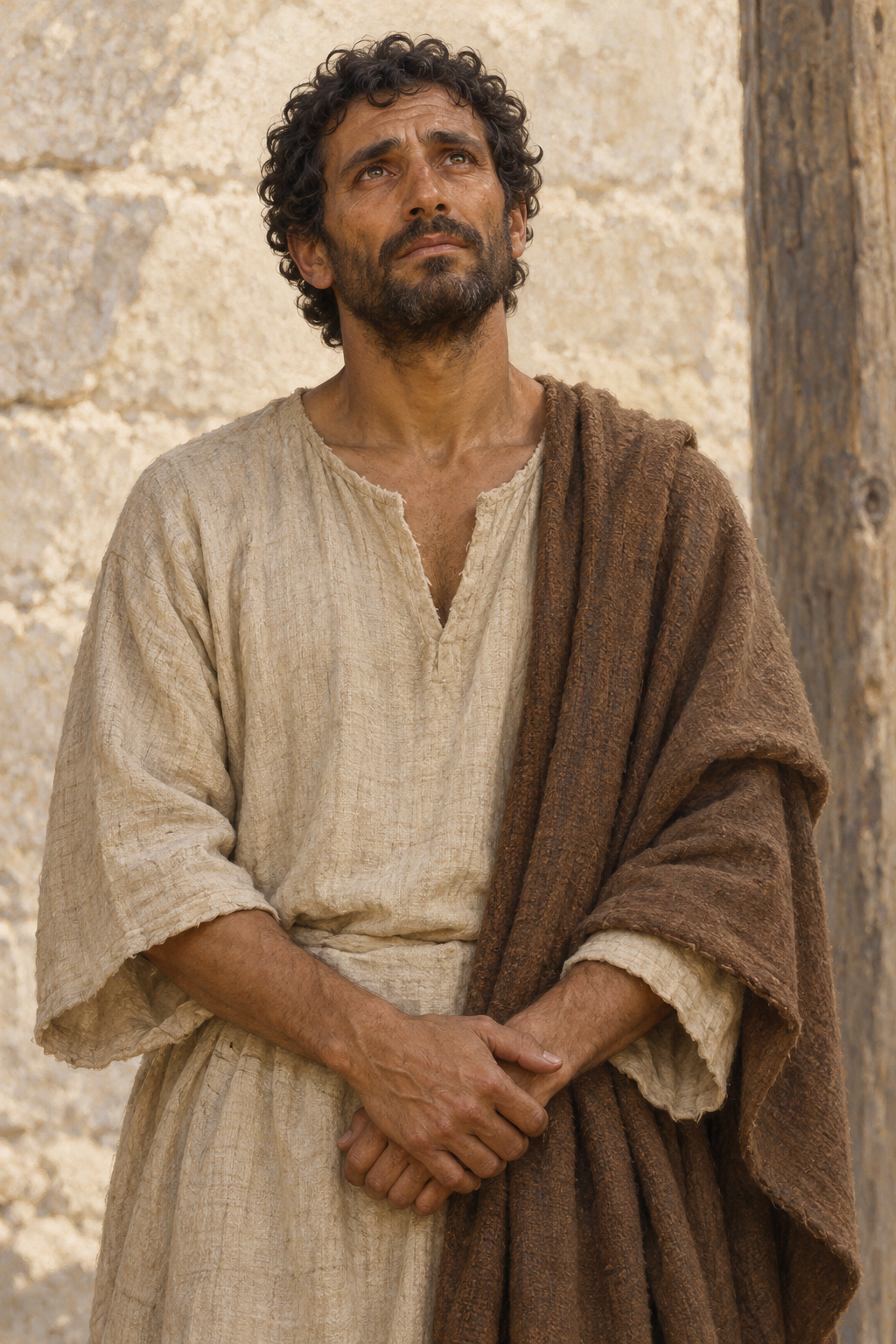
About Dismas
Dismas is the traditional name of the penitent criminal crucified beside Jesus. Catholic remembrance honours him as the Good Thief, the man who acknowledged Christ while facing death himself. The Roman Martyrology recalls his confession and Jesus’ promise of paradise.
Luke’s Gospel does not give him a name or recount his earlier life. It describes two criminals led out for execution with Jesus and crucified beside him. One mocks Jesus and demands that he save himself and them. The other rebukes his companion, acknowledges their own guilt and declares Jesus innocent.
He then asks Jesus to remember him when he comes into his kingdom. Jesus answers with the promise that he will be with him in paradise that day. The encounter is brief: the Gospel records his change of heart and appeal for mercy, without identifying his family, birthplace or the particular offences that brought him to execution.
His familiar name belongs to later Christian literature. The Acts of Pilate, also known in expanded Latin forms as the Gospel of Nicodemus, develops the Gospel accounts with additional scenes and names. Stephen Hopkins’s scholarly guide notes that its crucifixion narrative calls the two criminals Dysmas and Gestas. The work circulated in many forms, whose details varied considerably. It supplies evidence for the growth of the tradition, rather than an independently established biography of the man in Luke.
Other stories imagined an earlier meeting with the Holy Family. In the Hospitality of Dysmas, summarized by Mark Bilby, the bandit welcomes Mary and Jesus during their stay in Egypt, and his sick child is healed. The surviving Greek witnesses belong to much later manuscript traditions. This is an apocryphal account of hospitality and devotion, not information supplied by the canonical Gospel about his childhood or household.
Christian reflection has returned especially to his final request. In a 2016 audience, Pope Francis described the Good Thief as an example of repentance: he admits his wrongdoing, recognizes Jesus’ innocence and entrusts himself to mercy. Francis emphasized that the promise comes in the present, offering hope even at the end of a troubled life.
That remembrance also inspires practical ministry. The Catholic organization Dismas Ministry takes its name from him and provides prisoners with Bibles, prayer books and materials for studying the faith. Its work connects his appeal to be remembered with attention to people living in prison.
Wondering how to weigh the stories and sources? Learn how to read a saint biography.