Biography
Dorothea of Alexandria
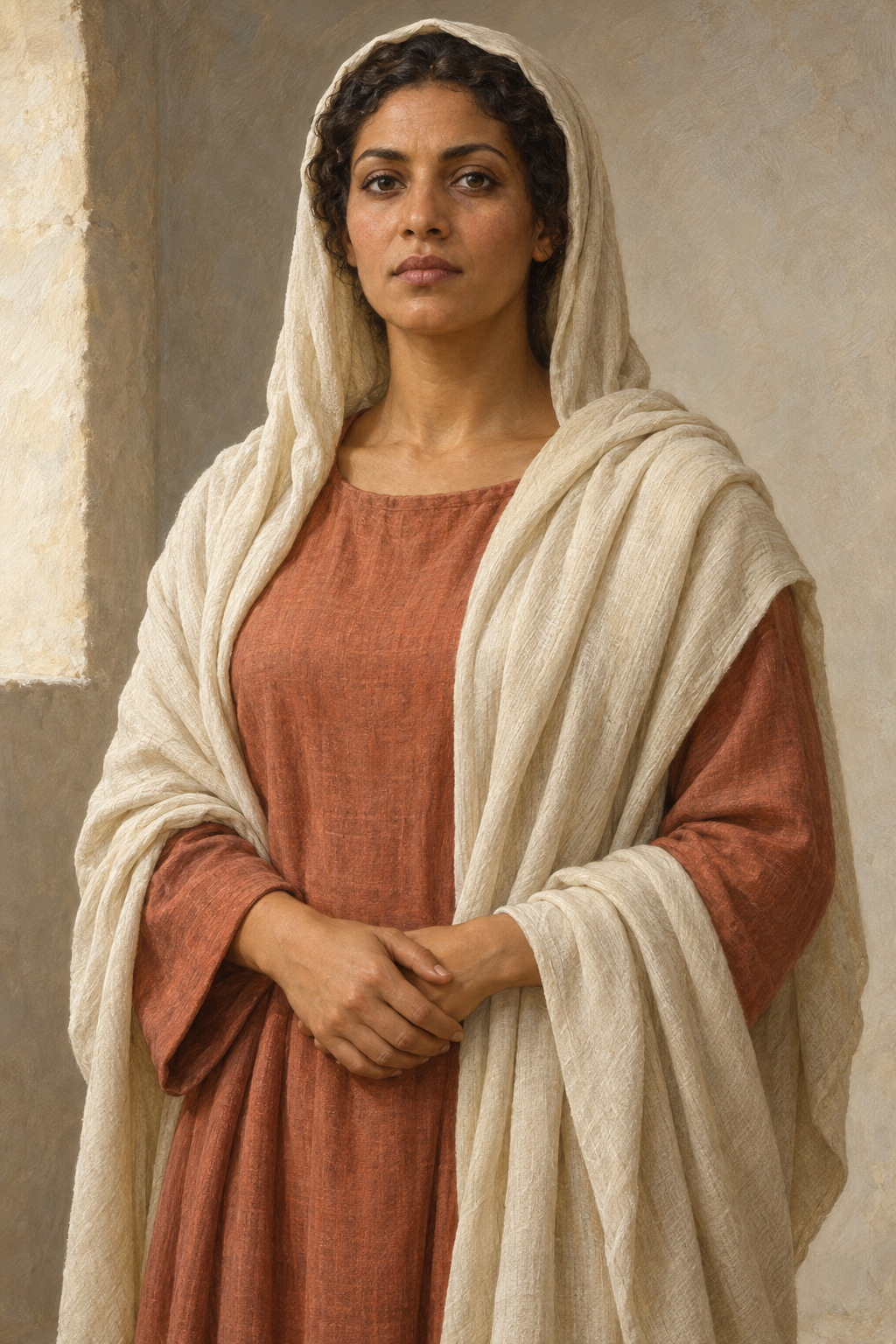
About Dorothea of Alexandria
Dorothea of Alexandria is the name later given to a Christian woman remembered for resisting the emperor Maximinus Daza. The Catholic Church in Norway includes her among its saints, but its account also explains how uncertain parts of her identification became.
Eusebius describes an unnamed, wealthy and educated Christian woman in Alexandria who resisted Maximinus. He says that the emperor confiscated her property and sent her into exile. His account does not describe her execution.
The name Dorothea comes from Rufinus, according to the Norwegian account. Rufinus also describes her as a consecrated virgin who took refuge in Arabia, though the basis for his additional information is unclear. These later details should be distinguished from the shorter account preserved by Eusebius.
A further complication is the proposed identification with Catherine of Alexandria. Otto Zöckler, in the New Schaff-Herzog Encyclopedia, explains why the accounts do not fit neatly together. The woman described by Eusebius suffers confiscation and banishment; Catherine’s later legend ends in torture and execution. Sharing a city and an imperial opponent does not establish that the two accounts concern the same person. Catherine’s wheel, debates with philosophers and royal ancestry therefore cannot responsibly be added to Dorothea’s life.
The Norwegian account also traces confusion with Dorothea of Caesarea, whose commemoration falls on February 6. It attributes the Alexandrian woman’s appearance on that date in some sixteenth-century martyrologies to this confusion. Her remembrance can acknowledge resistance to coercion without treating that borrowed calendar date as evidence about when she died.
Wondering how to weigh the stories and sources? Learn how to read a saint biography.