Biography
Dorothy Day
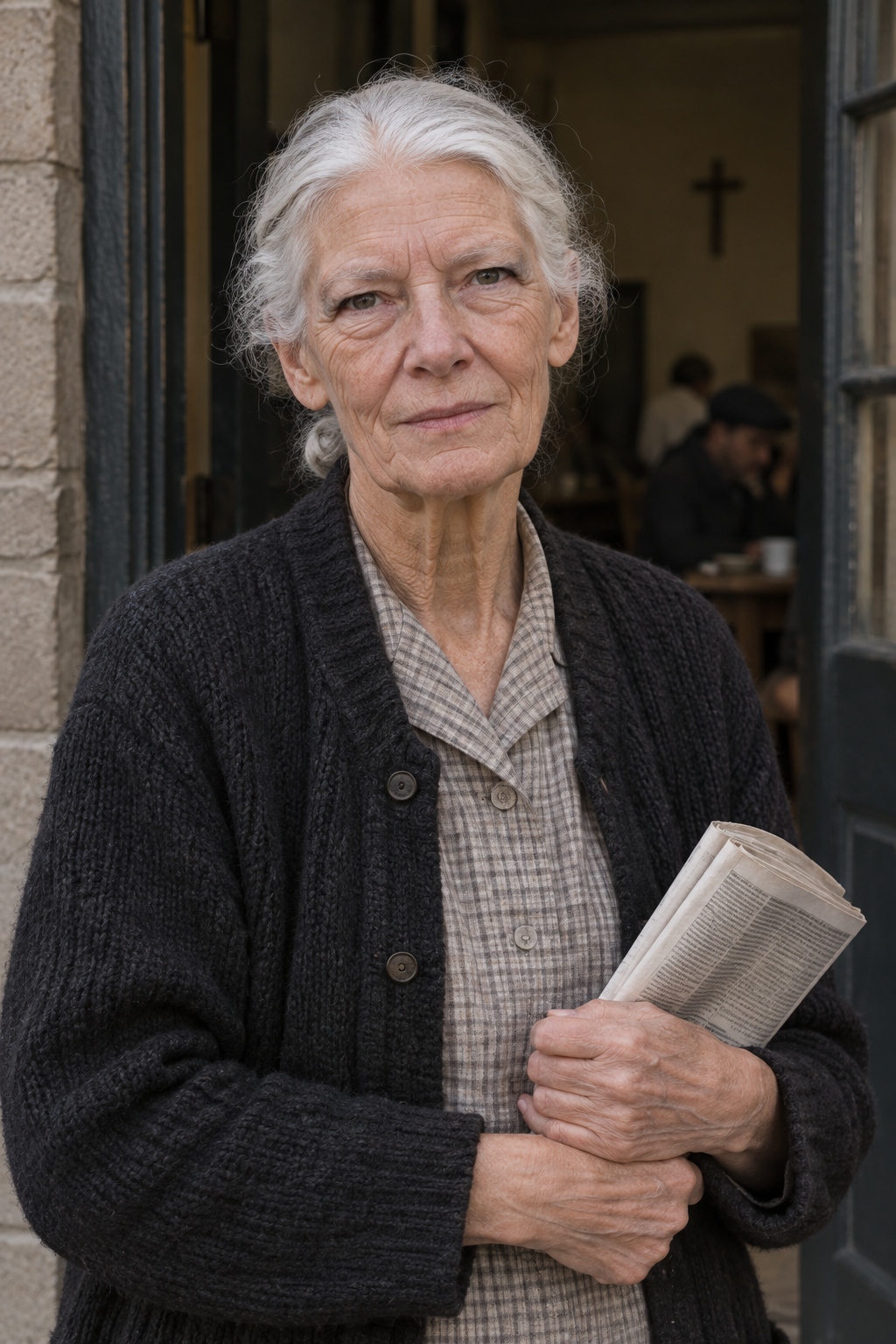
About Dorothy Day
Dorothy Day was born in Brooklyn on November 8, 1897, into the family of a journalist. Her childhood took her west to Oakland and then to Chicago after the 1906 earthquake disrupted the family's livelihood. Reading opened another world to her, while the poverty she saw around her raised questions that would outlast childhood.
At the University of Illinois she studied on a scholarship, but left in 1916 for New York. She reported for the socialist New York Call and later worked for The Masses. Journalism brought her among labor organizers, radicals and opponents of American participation in the First World War. In November 1917 she was imprisoned after joining a suffrage demonstration in Washington. She shared a hunger strike with other prisoners, encountering confinement as part of public protest.
Her relationship with Forster Batterham and the birth of their daughter Tamar drew her toward religious commitment. An earlier abortion remained part of her painful personal history. Gratitude for her child accompanied her movement toward Catholic baptism.
She entered the Catholic Church in December 1927. The choice ended her life together with Batterham, who opposed religion. Faith did not end her concern about injustice.
Peter Maurin helped her imagine how Catholic faith and social action might belong together. In Loaves and Fishes, Dorothy remembered his persistent conversation and the books he brought to her. She sometimes tired of his lessons, but their partnership took practical shape in a newspaper. She planned its layout, selected stories and worked toward paying the printing bill. Her first issue addressed exploitation, evictions and working conditions. Maurin worried that she was emphasizing immediate reforms rather than his larger vision. The disagreement did not prevent the beginning: on May Day 1933 she went into Union Square to sell the paper. Her memoir remembers a modest start, lively arguments and the satisfaction of having finally begun.
In 1933 a woman seeking a bed challenged the new Catholic Worker community to turn its message into hospitality. Dorothy rented additional space, and welcoming people without homes became part of the work.
Her support for workers was something she practiced as well as printed. In April 1941 she described visiting Bethlehem, Pennsylvania, during a steel strike. Catholic Worker volunteers took coffee, soup and sandwiches to pickets at the plant gates in their station wagon. She also asked Catholic readers to remember miners killed in Kentucky when they prayed. Their deaths, she feared, would quickly disappear from public attention while the conditions surrounding their work remained unchanged. She explained their presence through concern for neighbors and the dignity of workers, not simply through a political label. When critics called their assistance communist, she answered that Catholic social teaching gave them reasons to be there. She had also helped organize a women's committee supporting the steelworkers' union. Travel and public speaking tired her, but requests for visits continued to arrive from other Catholic Worker houses.
After the atomic bombing of Hiroshima, Dorothy refused to join the celebration. Her September 1945 editorial challenged President Truman's public satisfaction and insisted on seeing the Japanese victims as human beings. She rejected language that reduced a devastated city to an achievement of military power. Writing from the Catholic Worker, she brought the distant destruction beside the poverty and vulnerability close to its own door.
In 1955 she joined a public refusal to take shelter during a civil-defense drill in New York. Instead of rehearsing survival in a nuclear war, she sat outside in protest. Imprisonment followed her resistance to later drills as well.
At supper on Holy Thursday in 1964, Dorothy looked around St. Joseph's House on Chrystie Street. Volunteers had painted the ceiling, and a donated crucifix hung in the room where the breadline ate. She found the crowded room warm and homelike, although she knew that visitors might see only its shabbiness. Men, women and children brought their needs into this shared space. Readers asked whether the work was accomplishing anything, and students sent questions about her faith. She answered that recognizing Christ in other people required repeated acts of faith and love, sustained through daily works of mercy. On Easter morning she read the Gospel accounts of the Resurrection after attending the long midnight services. She connected that reading with meals at Chrystie Street and Peter Maurin Farm, learning to love each guest as an individual.
In August 1973 she joined striking farmworkers in California. She was arrested after a gathering in Parlier and held with other women supporting the strike. Her account noticed fellow prisoners, visiting families and shared prayer. Released after the days in custody, she continued to report on the struggle. Even in old age, writing and participation remained joined.
Dorothy died in New York City on November 29, 1980.
Her cause for canonization continues, with documentation being prepared in Rome.
Wondering how to weigh the stories and sources? Learn how to read a saint biography.
Prayers for Dorothy Day
Day's petition to Pope John
Help us, Pope John. Amen