Biography
Emeric of Hungary
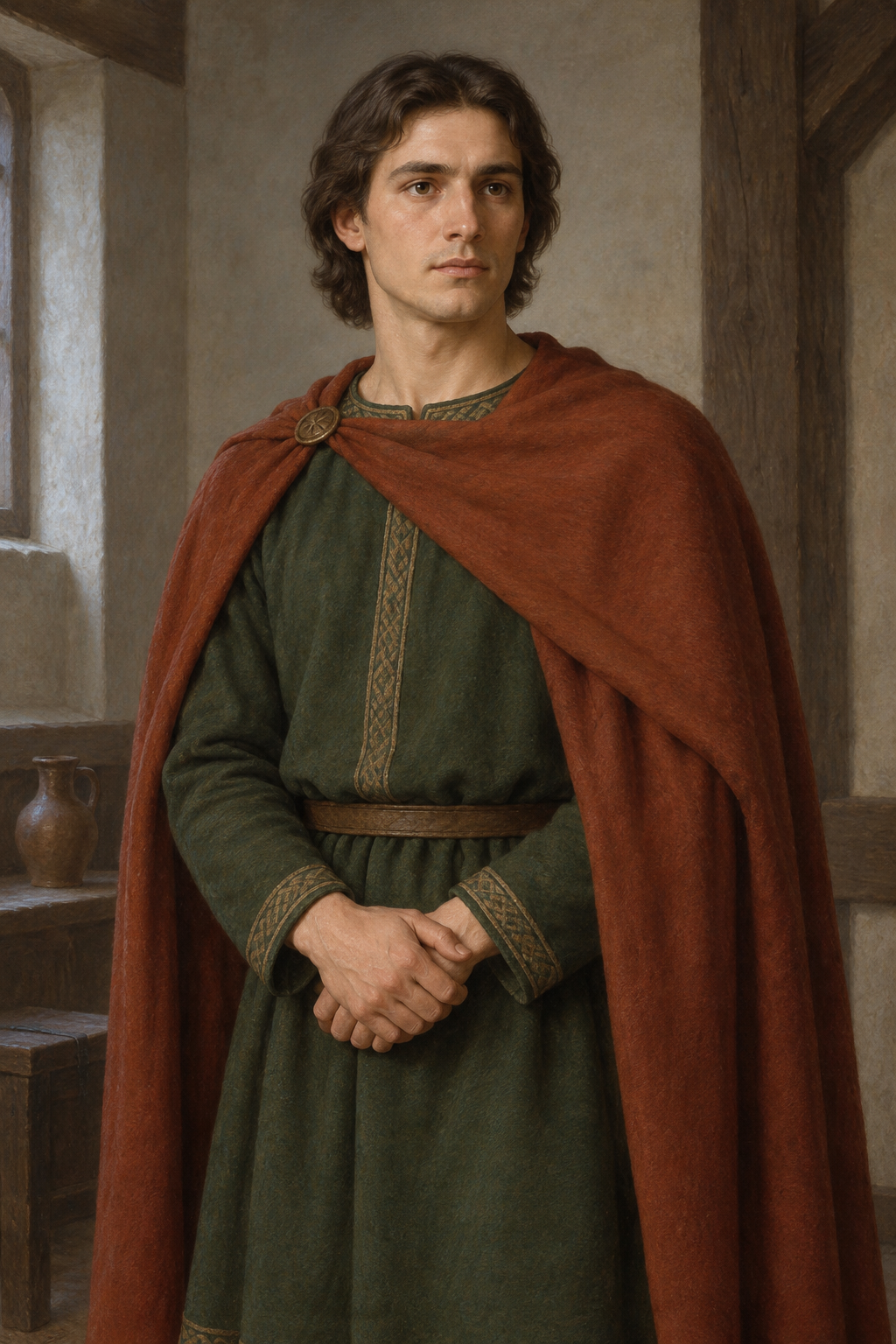
About Emeric of Hungary
Emeric of Hungary, known in Hungarian as Imre, was the son of King Stephen I and Queen Gisela. He died in 1031 before succeeding his father. The surviving accounts provide only a small number of firm details about his life. Later tradition remembers Gerard of Csanád as his teacher and presents the young prince as an example of religious discipline. His reputation eventually became especially important to devotion among Hungarian young people.
His royal position also involved worldly responsibilities. Zoltán Magyar’s study places him in the defence of Hungary against Emperor Conrad II in 1030 and discusses a marriage connected with the Byzantine court. Magyar sharply distinguishes this historical outline from the later ideal of a perfectly chaste husband. He considers that ideal a creation of the author of Emeric’s legend, rather than a securely recoverable detail of the prince’s private life.
The anonymous Life, composed about eighty years after his death, gives that ideal a vivid narrative form. Emeric prays at night, seeks to offer himself more fully to God and hears a heavenly voice calling him to virginity in the church of Saint George at Veszprém. He subsequently preserves chastity within marriage. These episodes belong to the text’s religious portrayal; they are not independent eyewitness evidence for his conversations, visions or married life.
The circumstances of his death also require care. The Annals of Hildesheim report that a boar killed him while hunting. In a 2024 study, Endre Tóth accepts the importance of this well-informed record but questions whether the animal was part of the original news. He notes that other sources speak of a sudden death without the boar. His proposed explanation is that the annalist elaborated the hunting report. This is a scholarly interpretation, not proof of a different cause of death.
The Life connects his public veneration with the miraculous liberation of a penitent at his tomb. It then describes King Ladislaus ordering the elevation of his remains on November 5. The story belongs to the development of his cult, with miracles presented as signs of divine favour. It should not be used to supply missing events from his childhood or career.
His canonization is conventionally dated to 1083. The New Catholic Encyclopedia notes a renewed emphasis on his cult in the twentieth century, particularly between the world wars, when he was honoured as patron of Hungarian youth. It also identifies the lily as his usual artistic attribute. This is a symbol of the chastity associated with his later religious image, rather than a documented personal possession.
Veszprém continues to commemorate him on November 5. The archdiocese associates Saint George’s chapel with the traditional vow and presents his example in terms of fidelity, prayer and service in everyday decisions. The chapel and its remembrance preserve a living devotional tradition, even while historians continue to distinguish that tradition from the limited evidence for his lifetime.
Wondering how to weigh the stories and sources? Learn how to read a saint biography.