Biography
Epaphras of Colossae
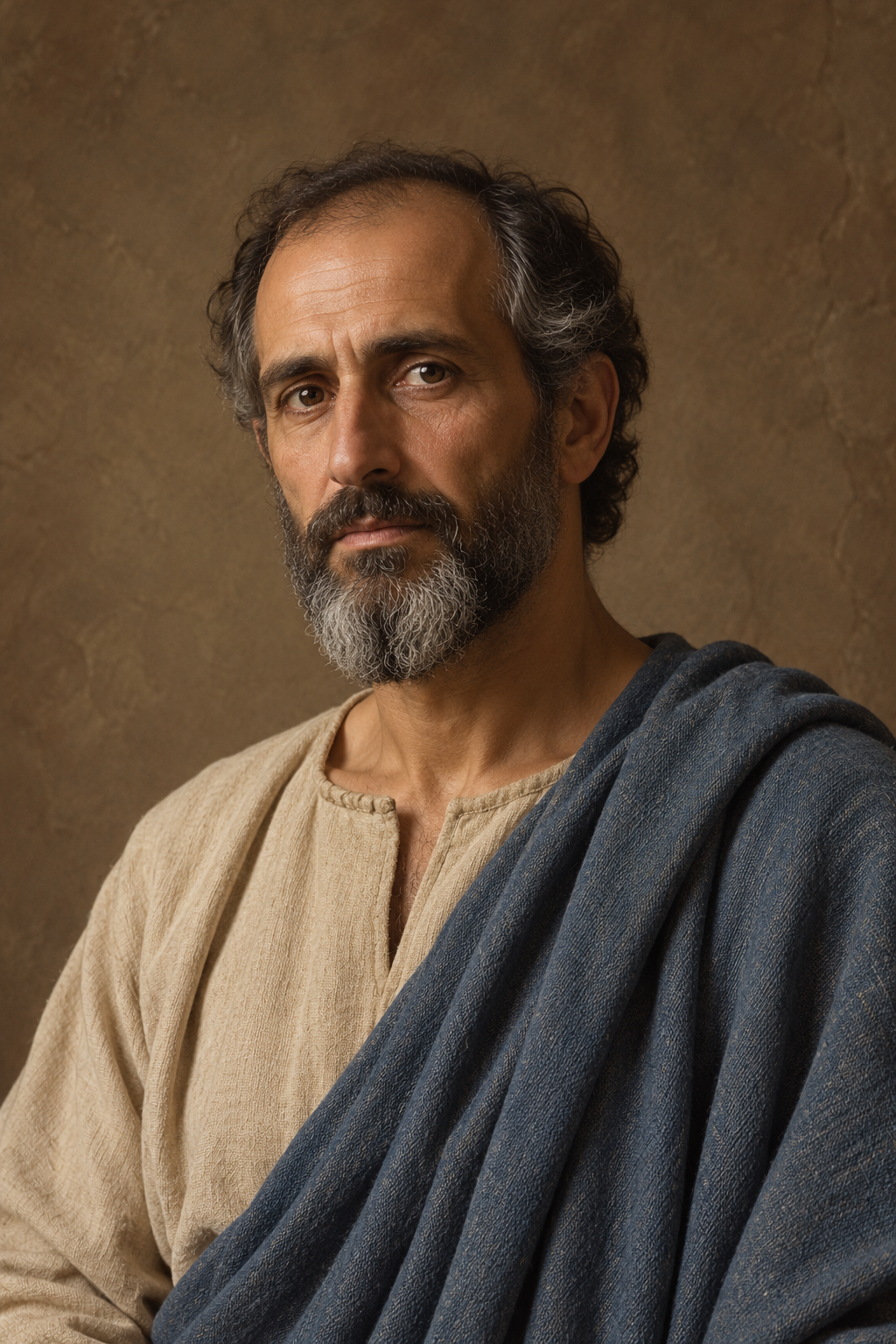
About Epaphras of Colossae
Epaphras is remembered in the Letter to the Colossians as a trusted worker in the Christian community at Colossae. The opening thanksgiving credits him with teaching its members about the grace of God. It also says that he reported their love to Paul and Timothy. These brief lines place him between a local community and the wider circle of Christian missionaries, sharing both teaching and news.
Near the end of the letter, Epaphras sends greetings as one of the Colossians’ own people. He is described as praying earnestly for them to remain mature and firm in their faith. His concern also extends to Laodicea and Hierapolis. The letter’s picture is of sustained care for these communities, expressed through effort and prayer; it does not give a detailed account of his journeys or the founding of each church.
The Letter to Philemon adds another personal connection. Its closing greetings name Epaphras as Paul’s fellow prisoner in Christ. That description is brief: it does not explain an arrest, a charge, a trial or a sentence. Those missing details cannot responsibly be supplied from the greeting alone.
Later tradition calls Epaphras bishop of Colossae and says that he died there as a martyr. The Catholic Church in Norway’s reference account explicitly presents these as traditional claims. They go beyond the New Testament notices and do not establish a precise date or manner of death. The same reference rejects identifying him with Epaphroditus, the associate connected with Philippi in the Letter to the Philippians. The similar names should not lead their biographies to be combined.
The Roman Martyrology notice reproduced by Nominis remembers his work for the gospel at Colossae, Laodicea and Hierapolis. It lists July 19 as his local Catholic commemoration. This remembrance emphasizes his service and connection with Paul.
The Greek Orthodox Archdiocese of Canada includes Epaphras in its list of the Seventy Apostles and gives January 4 as his commemorative date. This belongs to the Church’s later calendar tradition.
Wondering how to weigh the stories and sources? Learn how to read a saint biography.