Biography
Florentina of Cartagena
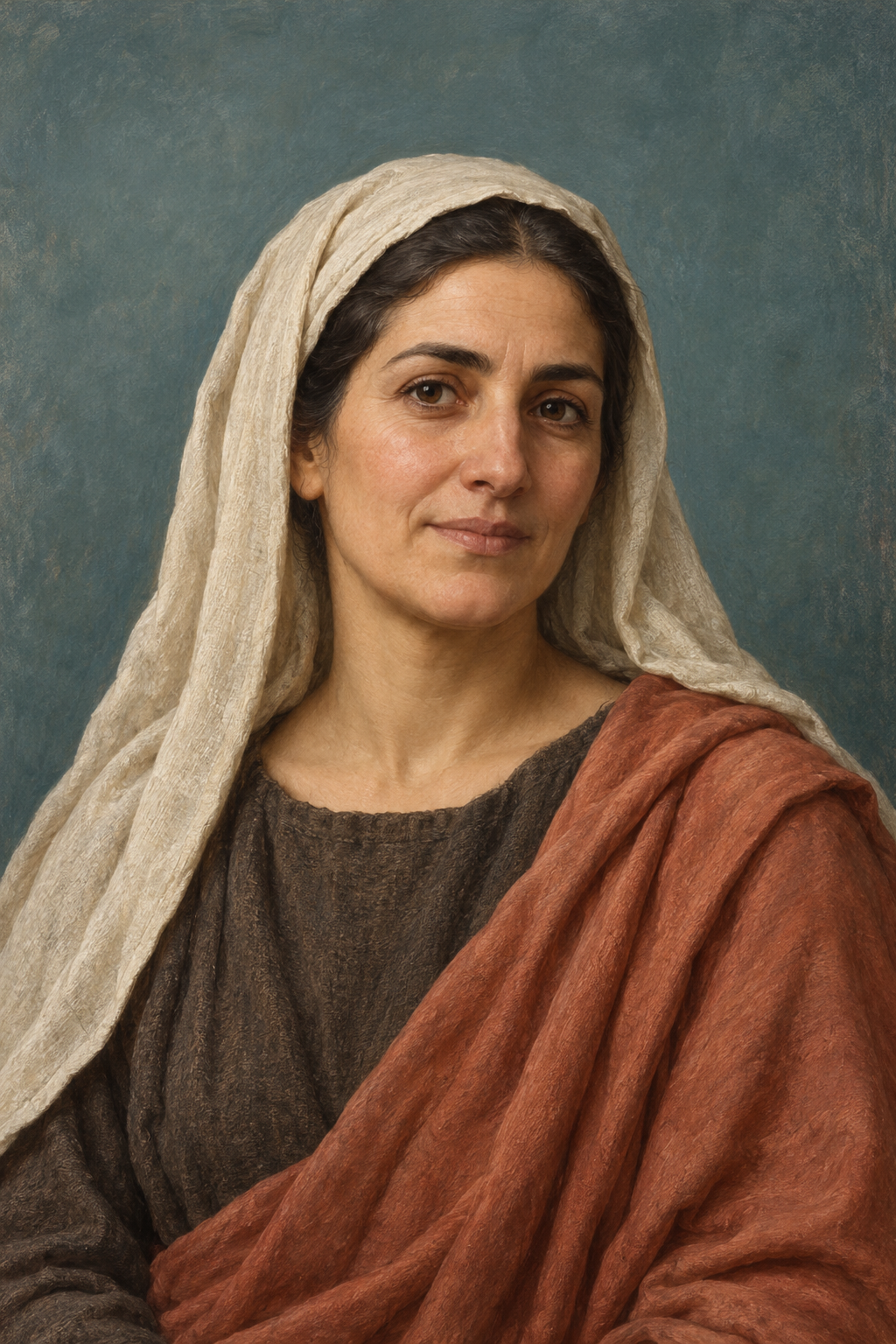
About Florentina of Cartagena
Florentina belonged to a family whose members helped shape the church in Visigothic Spain. Her brothers were Leander and Isidore, both bishops of Seville, and Fulgentius of Écija. She lived in or near Seville around the year 600 as a woman consecrated to God. Leander wrote a guide to religious life for her and her companions, a work preserved in medieval manuscripts and commonly known as his rule for virgins.
The precise form of her community is less certain than that description might suggest. Historian Wolfram Drews points out that the early texts call her a consecrated virgin, without clearly identifying the house in which she lived. She may have led a community on family property. Drews considers it probable that she was its superior, but the surviving evidence does not provide a detailed history of a convent.
Leander’s advice gives a view of the daily life he wanted for the women. He urged moderation in food and drink, reading and meditation on Scripture, and equal affection for the members of the community. His instructions also imposed strong limits on contact with men and with women outside the religious life. These counsels belong to an ascetic setting with expectations quite different from those of an ordinary household.
Florentina was also a reader of theology. Isidore dedicated his anti-Jewish treatise, De fide catholica contra Iudaeos, to her. The dedication is evidence of her religious learning, not proof that she participated in coercion against Jews. Drews specifically rejects as speculation the claim that her community raised Jewish children taken from their parents. The dedications alone do not establish her personal motives.
A diocesan account emphasizes the personal character of Leander’s counsel: he offered his sister spiritual guidance as a gift and asked her to remember her brothers in prayer. The same account records her continuing place in La Palma, Cartagena, where she is patron. The town celebrates her June 20 feast with the Hispano-Mozarabic liturgy and keeps a local procession on March 14.
The Diocese of Plasencia honors Florentina and Fulgentius as its patrons, with her liturgical feast on June 20. She is also patron of Berzocana. There, the public opening and procession of the saints’ reliquary form part of the feast, linking local devotion with the memory of the two siblings.
Wondering how to weigh the stories and sources? Learn how to read a saint biography.