Biography
Gorgonia of Nazianzus
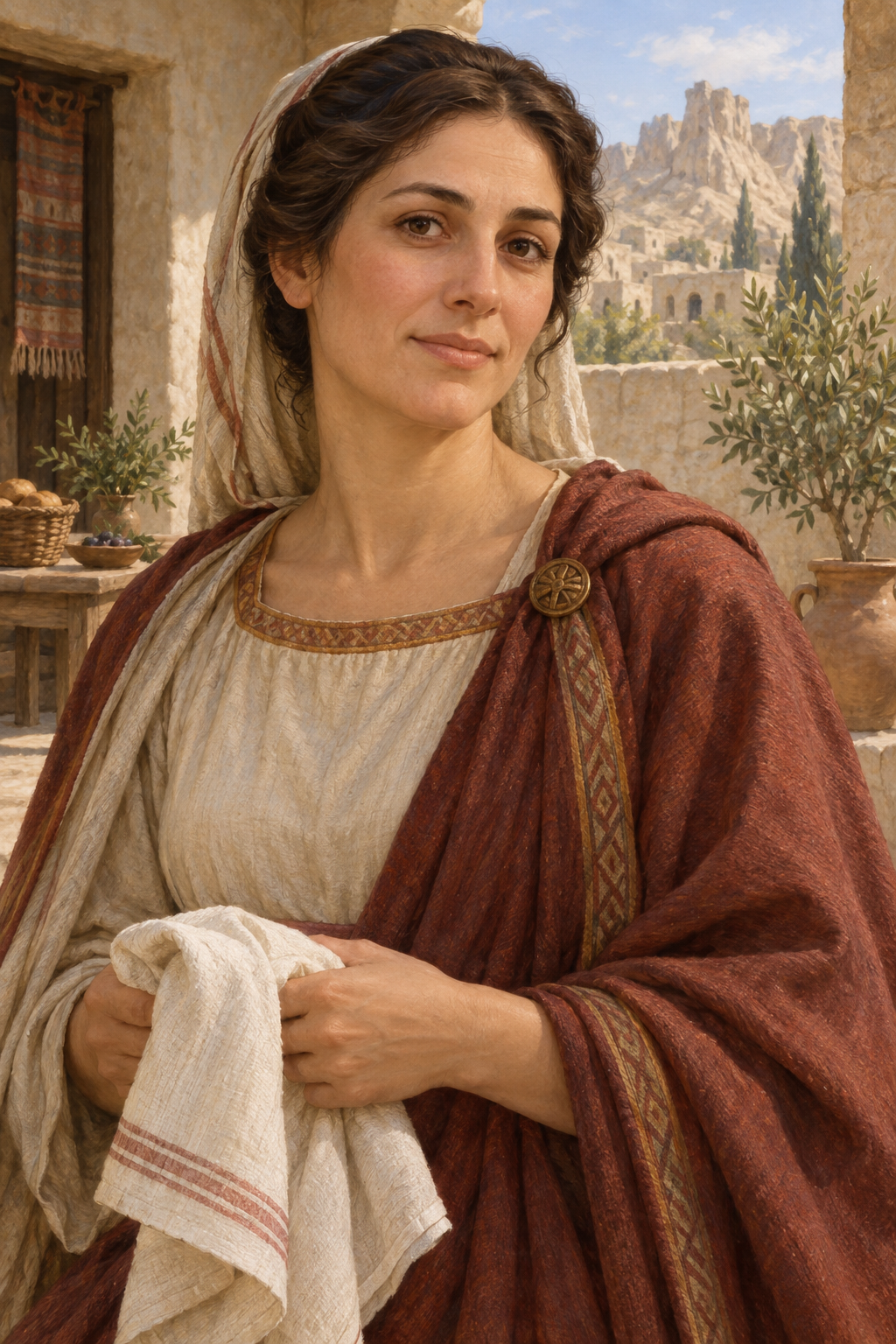
About Gorgonia of Nazianzus
Gorgonia lived in the fourth-century Christian family of Gregory and Nonna of Nazianzus. Her brother, Gregory of Nazianzus, left a funeral oration that is the principal early account of her life. He speaks of their parents' influence, her married household, and her children and grandchildren. His address is intimate evidence from a relative, but it is also a panegyric intended to commend a model of Christian life.
Gregory remembers his sister for welcoming guests, helping relatives in need, and giving to poor people. He also praises her prayer and fasting. For Gregory, Gorgonia's marriage and care for her family were part of her religious life, rather than an obstacle to it. The claims about her generosity and household come from his own account; its idealizing language should remain visible to readers.
The oration also tells of recovery after a carriage accident and from a grave illness, interpreting both in terms of divine healing. These are Gregory's devotional accounts, not independently verified medical histories. He says that Gorgonia had received baptism before her death and recalls her final care for her husband and children. The exact date of her death is unknown: the oration falls between 369 and 374, while her later commemorations occur on December 9 in the older Roman Martyrology and February 23 in the Orthodox Church.
Wondering how to weigh the stories and sources? Learn how to read a saint biography.