Biography
Gudula of Brussels
About Gudula of Brussels
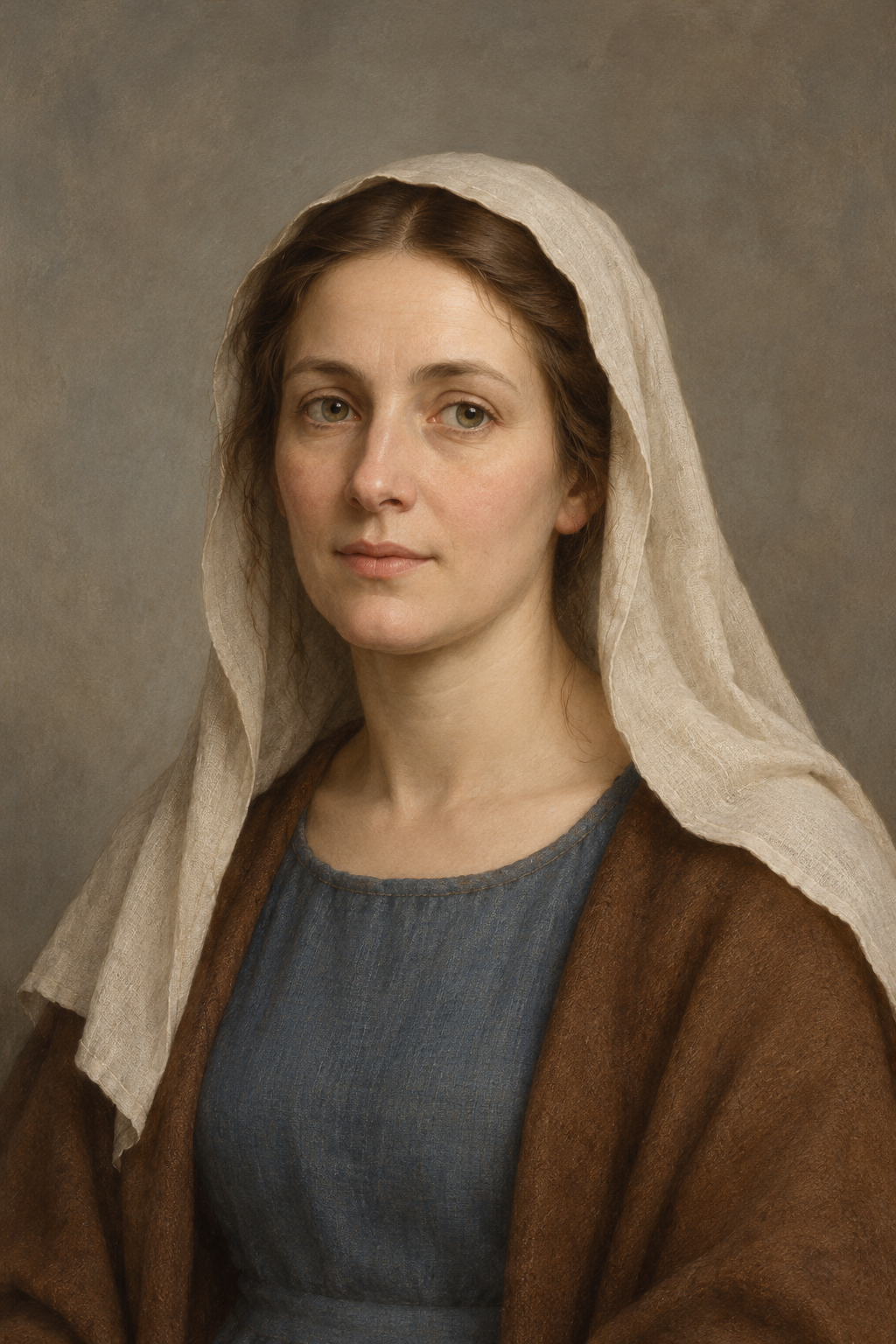
Gudula is honored as a virgin saint and patroness of Brussels. Tradition places her in Brabant in the seventh and early eighth centuries, links her family with Amalberga and Gertrude of Nivelles, and remembers her education at Nivelles. Returning home, she is said to have devoted herself to fasting, night prayer, and generous almsgiving.
The written accounts require caution. Historian Renier Podevyn observed that many biographies repeated earlier versions while adding legendary details. He traced the surviving narrative through an author named Hubert, who worked from an earlier account of miracles. The number of later retellings therefore does not provide independent confirmation of Gudula’s family history or daily activities.
Her cult is more clearly visible in the movement of her relics. They were first associated with Hamme and Moorsel, then brought to the chapel of Saint-Géry in Brussels during the late tenth century. These transfers connected her remembrance with the growing city.
In 1047, Count Lambert II of Leuven transferred the relics to the Romanesque collegiate church on the hill. The cathedral’s historical guide explains that attracting pilgrims was part of the purpose. The church consequently bore the names of both Michael and Gudula. Its medieval foundations remain beneath the present cathedral, which received cathedral status in 1962.
Gudula is often recognized by a lantern. The cathedral explains this through a legend in which the devil extinguishes her light as she goes to pray, and an angel rekindles it after her appeal to heaven. The guide treats the episode as an allegory of faith persevering through opposition, rather than an ordinary historical incident. Its gilded statue also gives her an open Bible bearing a miniature of the cathedral.
The collegiate church was plundered in 1579, and the relics there were scattered. Gudula’s remembrance nevertheless continued: the traditional feast is January 8 in Brussels, with January 19 recorded for Ghent.
Wondering how to weigh the stories and sources? Learn how to read a saint biography.