Biography
Habakkuk
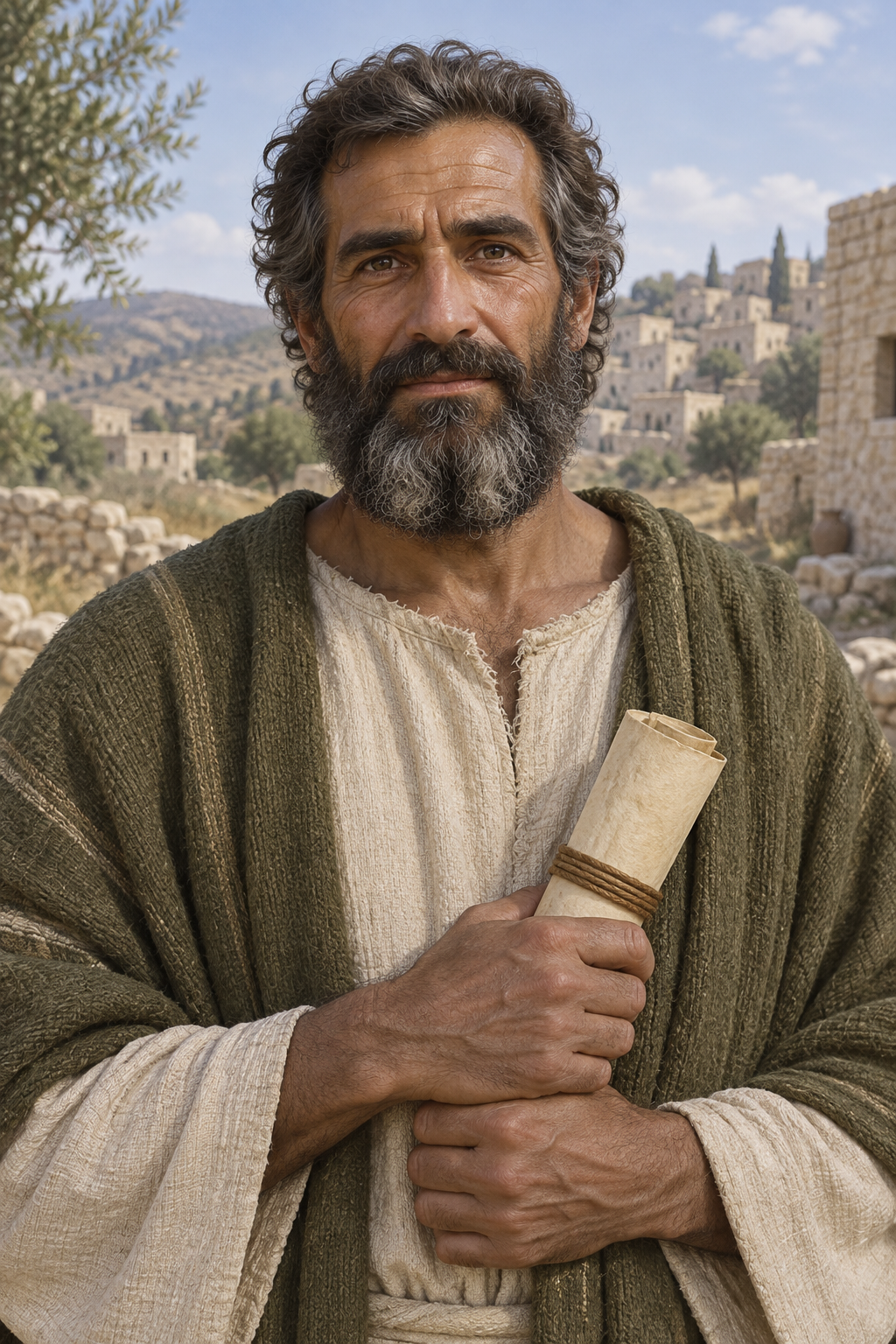
About Habakkuk
Habakkuk is known through the prophetic book that bears his name. Its opening calls him a prophet, but it supplies no father, tribe, birthplace, age, household, occupation, or account of death. The inherited catalog dates of about 650 to 605 BC therefore imply a lifespan the evidence cannot support. They are removed. The book's setting can be approached more carefully. Its concern with the rise of the Chaldeans, or Babylonians, places its dialogue amid Judah's crisis around the end of the seventh century and beginning of the sixth century BC. That frame dates the prophecy approximately; it does not create a complete civil biography for its speaker.
The book begins with a complaint rather than a conventional call narrative. Habakkuk cries out over violence, wrongdoing, conflict, and justice distorted within Judah. He asks why God appears to see suffering without intervening. This direct questioning distinguishes his voice within the prophetic collection. The text does not portray doubt as indifference. Habakkuk remains engaged with justice and addresses God from inside the community's disorder. Nothing in the passage identifies the victims or offenders by name, and no precise street, court, or sanctuary can be plotted. Judah is therefore retained only as a broad setting for the social conditions the poem describes.
The first response announces the Chaldeans as an overwhelming imperial force. A USCCB note connects the passage with Babylon's victory over Egypt at Carchemish in 605 BC. Habakkuk then presses a second objection: how can a violent empire punish people more righteous than itself? He compares nations to fish gathered by a conqueror's net and condemns power that worships its own military means. The poetry addresses a historical terror while refusing to call domination good. Carchemish helps date the oracle, but the book never says Habakkuk traveled there. It must not become a mapped life event or an invented itinerary.
Habakkuk next imagines himself standing at a guard post, waiting for an answer. The image communicates alertness; it does not identify an archaeological tower. The response tells him to write the vision plainly so that its truth can be tested in time. It contrasts rashness with the life of the just person grounded in faithfulness. Later Jewish and Christian readers have heard this sentence in different theological settings, and several New Testament letters cite it. Within Habakkuk, the note explains, faithfulness means trusting divine justice and waiting patiently while danger approaches. The line should not be detached from the prophet's protest against violence.
Five taunts then expose the inner collapse of tyranny. The sayings condemn greed, plunder, coerced labor, bloodshed, humiliation, and idolatry. They describe the conqueror's apparent success as unstable because exploited peoples will rise and the stones of unjustly built houses will testify. Habakkuk does not present a private program of revenge. The poem widens his original question into a moral judgment on systems that consume nations and treat human beings as possessions. These lines support a virtue of justice expressed through naming concrete abuses. They do not establish that Habakkuk held public office, led a reform movement, or personally confronted a Babylonian ruler.
Chapter 3 is introduced as a prayer of Habakkuk and uses musical directions. It recalls divine appearances in ancient poetic imagery: trembling lands, disrupted waters, flashing weapons, and creation itself responding to God's advance. The USCCB introduction notes an important uncertainty. The chapter may be Habakkuk's prayer asking that earlier promises be fulfilled, or it may be a hymn added by editors. Either way, it belongs to the received book and carries its argument from complaint toward trust. Historical care requires acknowledging the compositional question rather than treating every line as a transcript written at one sitting by the named prophet.
The closing poem imagines agricultural failure in a sequence of losses: no blossoms on the fig tree, no fruit on vines, failed olives and fields, and empty folds and stalls. Even under that deprivation, the speaker resolves to rejoice in God and describes receiving strength and secure footing. The movement is not cheerful denial of disaster. It follows two chapters in which injustice and imperial violence have been named without restraint. Hope arrives alongside remembered fear. Habakkuk's steadfastness is therefore specific: he continues to watch, question, write, and trust without pretending that the threatened losses are small.
Later Orthodox tradition expands the sparse biblical identity. The Orthodox Church in America commemorates Habakkuk on December 2 and recounts descent from Simeon, withdrawal during war, transport to feed Daniel in Babylon, return home, death in old age, and discovery of relics centuries later. Some of this combines Habakkuk with the Greek addition to Daniel known as Bel and the Dragon. These details document a received hagiographic memory, not contemporary evidence about the prophet. They are not used here for ancestry, travel events, relic locations, or death dates. The present feast itself is documented as an Orthodox observance.
Habakkuk remains significant because his book joins moral protest to disciplined hope. He notices corrupted justice, challenges the use of one violent nation against another, waits for an answer, and preserves the vision in writing. The book never requires readers to call cruelty harmless before speaking of faithfulness. Its final prayer can therefore be read as trust tested by real danger rather than confidence built from an invented success story. The evidence leaves most of Habakkuk's personal life unknown, but it preserves a demanding prophetic voice: one that questions honestly, condemns exploitation, and continues to seek a just order when events appear to contradict it.
Wondering how to weigh the stories and sources? Learn how to read a saint biography.