Biography
Helena of Skövde
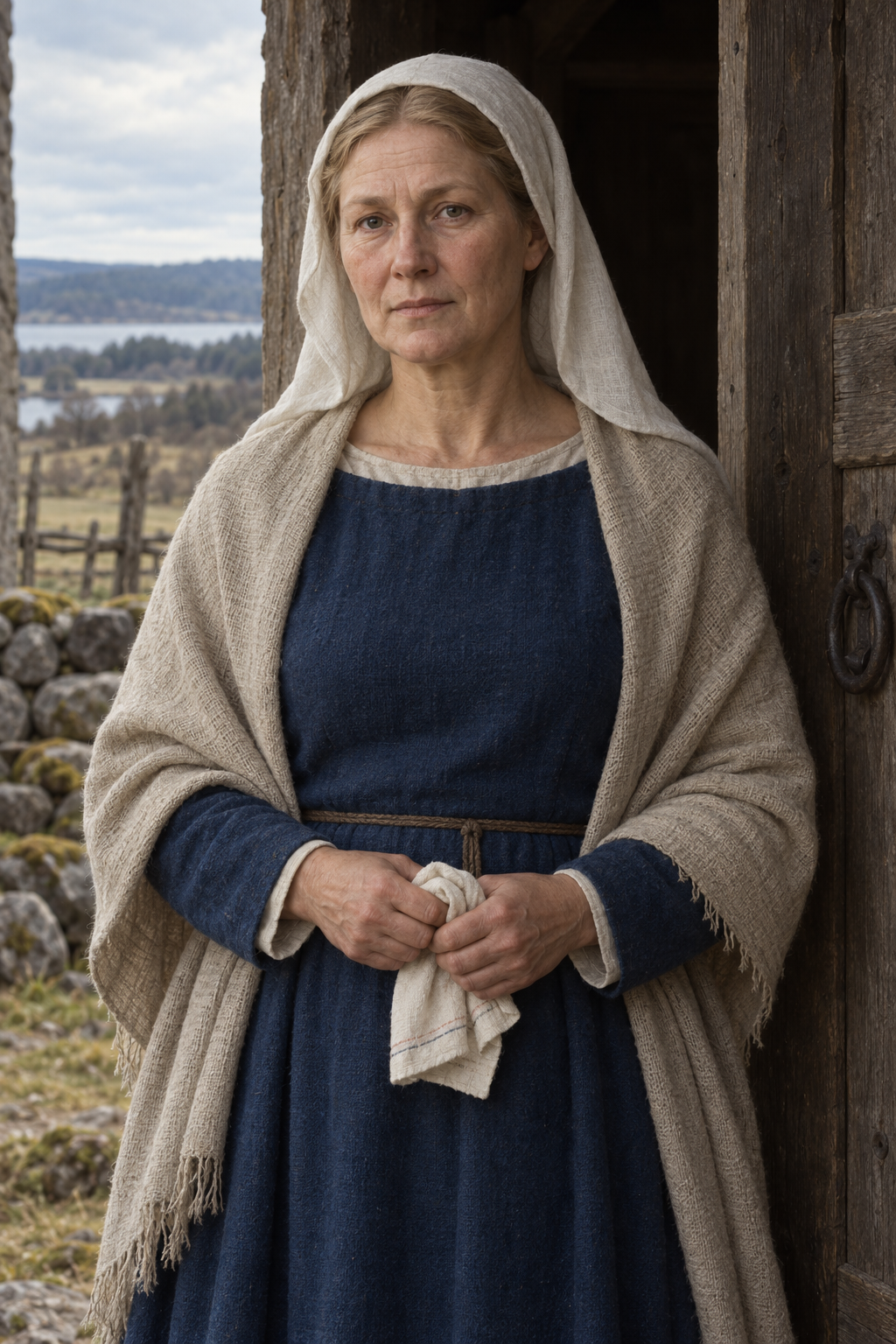
About Helena of Skövde
Helena of Skövde, called Elin in Swedish, was remembered as a widow and donor in twelfth-century Västergötland. The Biographical Dictionary of Swedish Women places her during the final stages of the region’s Christianization. It says she supported a church at Skövde and perhaps one at Götene. Her patronage of church building provides a firmer historical setting than the precise details of her family, which the surviving account does not establish.
A later medieval life tells of a daughter whose husband was violent toward her. After he was killed by servants, his relatives blamed Elin, and the story has her travel to Jerusalem before she was murdered on the way to Götene. These episodes should be read as claims of a medieval saint’s life rather than eyewitness testimony. The Swedish History Museum likewise presents the killing and later miracle stories as legend.
The strength of her medieval cult is easier to trace. Her cult was widespread in medieval Sweden. Her feast was observed July 30 in the Skara diocese and July 31 in other Swedish dioceses, according to the scholarly dictionary. The New Catholic Encyclopedia also records a widespread cult and warns against confusing her with Helen of Tisvilde in Denmark.
Historical museums preserve representations of Elin as a veiled widow. The images attest to the way later communities imagined her, not to an authenticated portrait. Her birthplace and exact death year remain uncertain, so this profile leaves both unset.
Wondering how to weigh the stories and sources? Learn how to read a saint biography.