Biography
Hosea
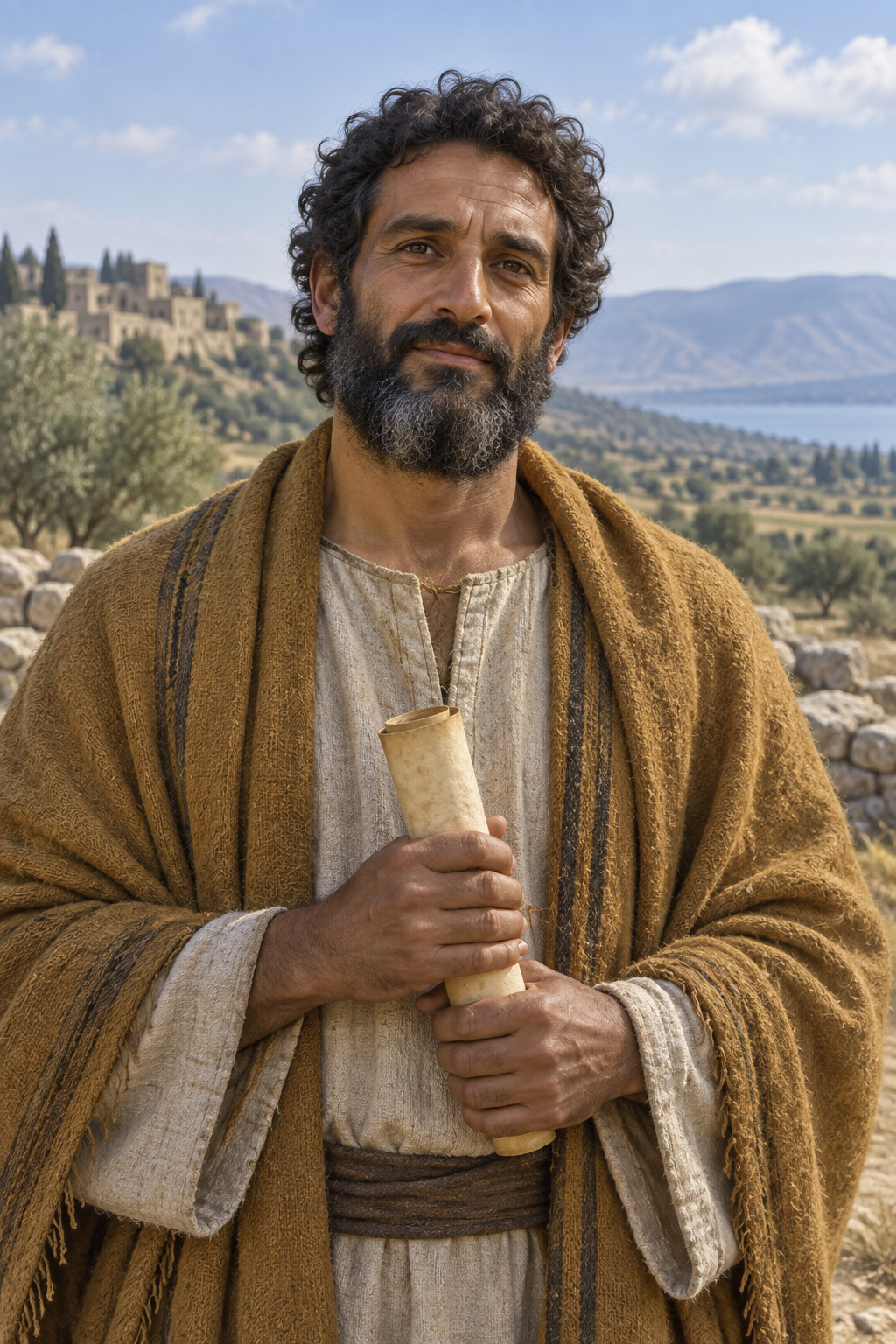
About Hosea
Hosea preached in the northern kingdom of Israel during the eighth century BCE. USCCB dates his ministry to approximately 750–725 BCE. Those are dates of activity, not a known lifespan.
The marriage narrative is the principal surviving account of his private life. J. Clinton McCann describes it as a theological retelling rather than a biography from which every event can be reconstructed. His reading also challenges a familiar division between Hosea as a religious reformer and Amos as a social critic. For McCann, Hosea's opposition to fertility worship concerns an economy that enriched priests and the royal establishment while harming ordinary farming households.
Gomer and the children belong at the centre of this difficult story. Scholar J. Blake Couey observes that readers are given almost no access to Gomer's own perspective. He rejects the frequently repeated claim that she was a temple prostitute: the text does not establish it. The children's names are symbolic, not recovered personal testimony.
The marriage imagery also has a painful history of interpretation. Yale's study guide warns that it has been used to legitimate mistreatment of women. Reading Hosea as scripture does not require treating coercion or domestic violence as an example to imitate. The guide also finds northern traditions about Egypt and Jacob woven into the book, rather than evidence that its speaker possessed the completed biblical books now familiar to readers.
Later writers supplied a priestly background, named birthplaces and stories about his burial. The Jewish Encyclopedia rejects these reconstructions as unsupported. Such traditions cannot establish where Hosea was born or died. The Orthodox Church in America commemorates him on October 17, preserving his place in Christian worship as a prophet.
Wondering how to weigh the stories and sources? Learn how to read a saint biography.
Prayers for Hosea
Hosea — troparion petition
save our souls.