Biography
Isabel Cristina Mrad Campos
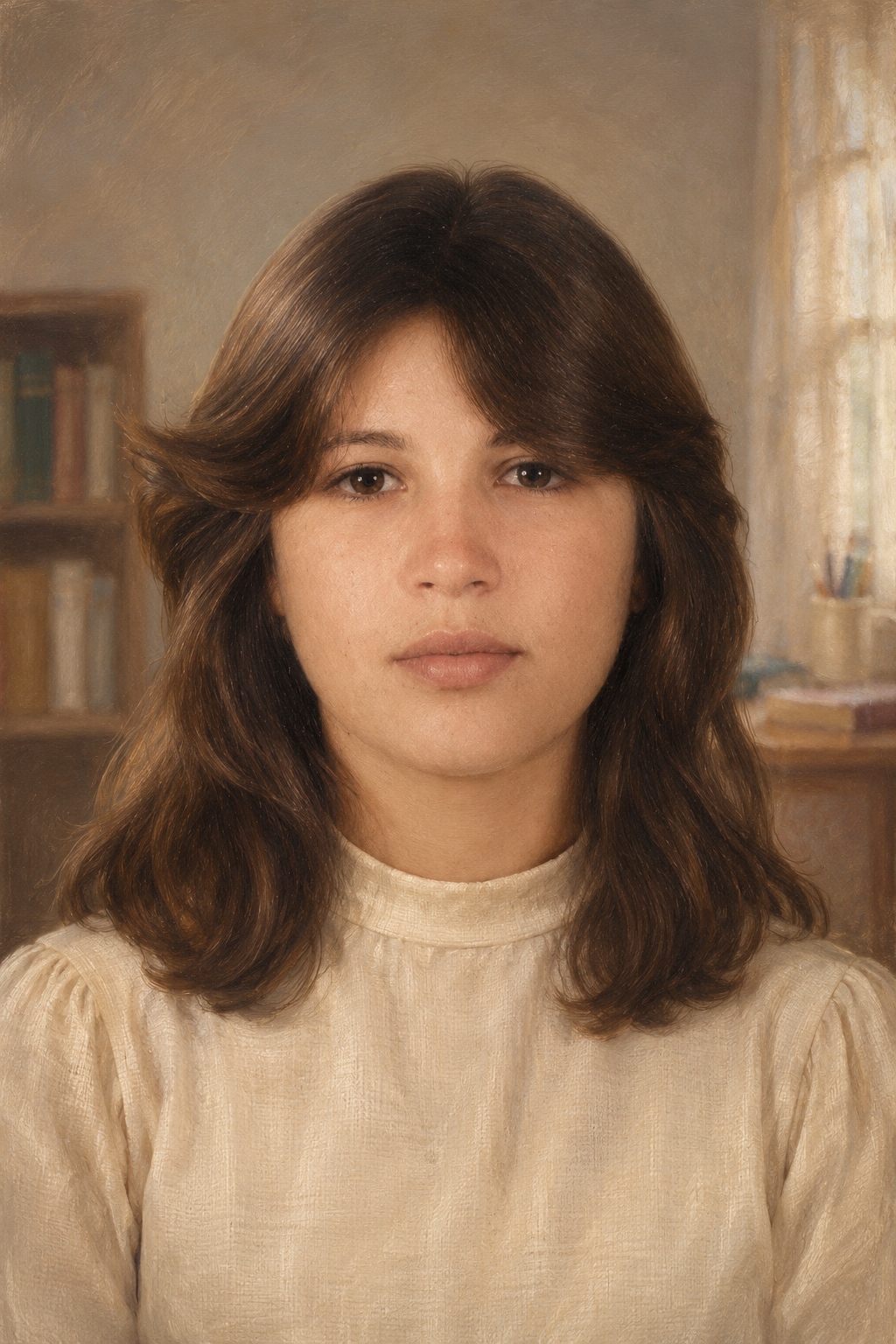
About Isabel Cristina Mrad Campos
Isabel Cristina Mrad Campos wanted to become a doctor and care for children who were poor. Her faith belonged to the daily life of a young laywoman: study, friendships, family relationships and service through the Vincentian community. The Dicastery’s biography recalls her completing a teaching qualification in 1980 and participating in a Vincentian youth group. Her ambition to study medicine continued that concern for other people. She was still preparing for university entrance when her life ended, rather than already practicing medicine or completing a medical degree.
She was born in Barbacena, Minas Gerais, on 29 July 1962. The postulator’s biography records her baptism that August, confirmation in 1965 and First Communion in 1969 at a college run by the Daughters of Charity. These milestones placed her within a Catholic school and family environment. The same account remembers a cheerful young woman who helped classmates and people with disabilities. It also records her participation in the Society of Saint Vincent de Paul, where her father held responsibilities in Barbacena.
A person who knew that setting was Sister Eponina da Conceição Pereira, a Daughter of Charity. In an interview published after the beatification, she described serving as a teacher, spiritual adviser to the local Vincentian council and director of youth groups that included Isabel and her brother Beto. She also remembered the family’s help in her own missionary vocation. Sister Eponina remembered reading Scripture at the youth meetings and helping participants discern its meaning for their lives. When invited to read at the beatification, she understood her presence as representing the Daughters of Charity who had accompanied Isabel. Her testimony places Isabel among people who prayed and worked together, with adults accompanying young members rather than leaving them to find their way alone.
In April 1982 Isabel moved to Juiz de Fora for a course preparing students for university entrance examinations. She hoped to study medicine, particularly pediatrics. The postulator’s account remembers her prayer in the local Cenáculo church and her continued attachment to the Eucharist. Later that year she shared an apartment with her brother. The move brought new responsibilities and the demands of study, while she remained connected with her family and the religious practices that had shaped her in Barbacena.
On 1 September 1982 she was killed in the Juiz de Fora apartment by a man who had been engaged to assemble furniture there. The church’s decree identifies her refusal of his sexual aggression and her Christian conviction within its recognition of martyrdom. She was twenty years old. The account of her death should preserve her dignity without making the violence into a spectacle. Her desire to serve children and the years of ordinary friendship and faith remain essential parts of the person the church remembers.
Her beatification homily returned to that ordinary life. Cardinal Raymundo Damasceno Assis recalled her Vincentian family, attention to poor people, friendships, enjoyment of music and hopes for the future. He treated her faith as something expressed through daily choices. His closing appeal called for respect for women’s dignity and an end to sexual exploitation, femicide and other violence. The cardinal also addressed families and the need for homes to protect children, young people and older people. His appeal placed her story within the responsibilities of the living. Remembering her as a martyr therefore included a direct demand that women be protected and respected, alongside the celebration of her religious witness.
The beatification took place in Barbacena on 10 December 2022. The Archdiocese of Mariana identifies the setting as the Parque de Exposições Senador Bias Fortes. It also records the permitted observance of Isabel’s memory on 1 September, the anniversary of her death. Mariana had conducted the diocesan investigation into her life and reputation between 2001 and 2009. These dates distinguish the earlier investigation, the recognition of martyrdom and the later public celebration, stages sometimes compressed into a single account of her recognition.
A contemporary report by Vincentian priest Cléber Teodósio describes the practical tasks behind the ceremony. Members of the Vincentian family helped with reception, food, parking and welcoming pilgrims. Isabel’s brother Paulo Roberto and other relatives participated in bringing her relics toward the altar. Sister Eponina proclaimed one of the readings. Those familiar people and services connected the gathering with the family, school and charitable community in which Isabel had lived, preserving relationships alongside the new public honor.
The next day Pope Francis announced her beatification after the Angelus in Rome. He spoke of her dignity as a woman and encouraged young people to give generous witness to their faith. His words identified her as a newly beatified young woman whose example could speak to others still making choices about work, service and relationships. Isabel is honored by the Catholic Church as a blessed and martyr; her life ended while her plans were still beginning.
Wondering how to weigh the stories and sources? Learn how to read a saint biography.