Biography
Isidore of Scetis
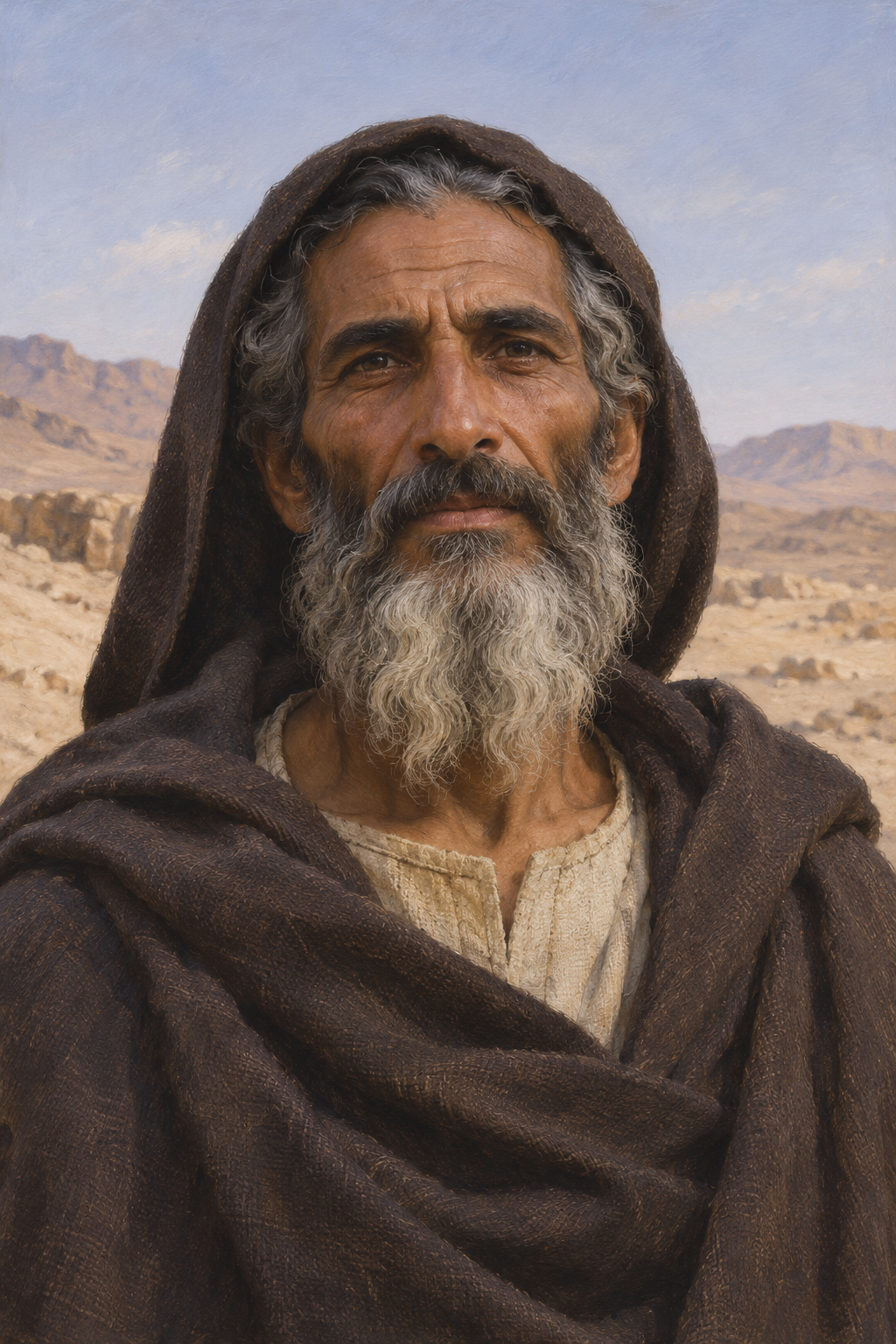
About Isidore of Scetis
Isidore of Scetis is remembered as a fourth-century monk and priest among the Egyptian desert fathers. The Apophthegmata Patrum preserves sayings under two headings, “Isidore” and “Isidore the priest.” The Coptic Encyclopedia’s editor judges that, apart from material belonging to Isidore of Pelusium, the sayings most likely concern one elder: Isidore the Great, priest of Scetis. The division in the collections shows how oral monastic memory could be gathered under overlapping names; it does not provide a full life chronology.
The sayings portray Isidore as a strenuous ascetic and a man of prayer, but they emphasize gentleness and patience rather than public authority. The Coptic Encyclopedia says that he did not burst into anger after becoming a monk. His restraint was remembered as giving him unusual spiritual authority, and the collections attribute miraculous power to him, including the restoration of sight to a blind man. These episodes survive in the sayings tradition and are not independently corroborated.
The most important work attributed to Isidore was pastoral: helping monks in difficult circumstances. The encyclopedia says he was successful even in hard cases and labored persistently because “the Son of God has come here for us.” That short statement frames his discipline as service to other people. The textual record offers no detailed account of particular counsels, but it preserves a picture of a priest whose authority grew from patience and sustained effort rather than force.
John Cassian also refers to Isidore in the Conferences, and the name appears in the Alexandrian Synaxarion notice for Zacharias. No separate Synaxarion biography is devoted to him. As a result, neither his family, exact dates, nor the circumstances of his death are known from the surviving accounts. Isidore’s historical legacy lies in the monastic memory of patient guidance and in the sayings through which later communities understood spiritual authority as care for troubled brothers.
Wondering how to weigh the stories and sources? Learn how to read a saint biography.