Biography
Jesús Emilio Jaramillo Monsalve
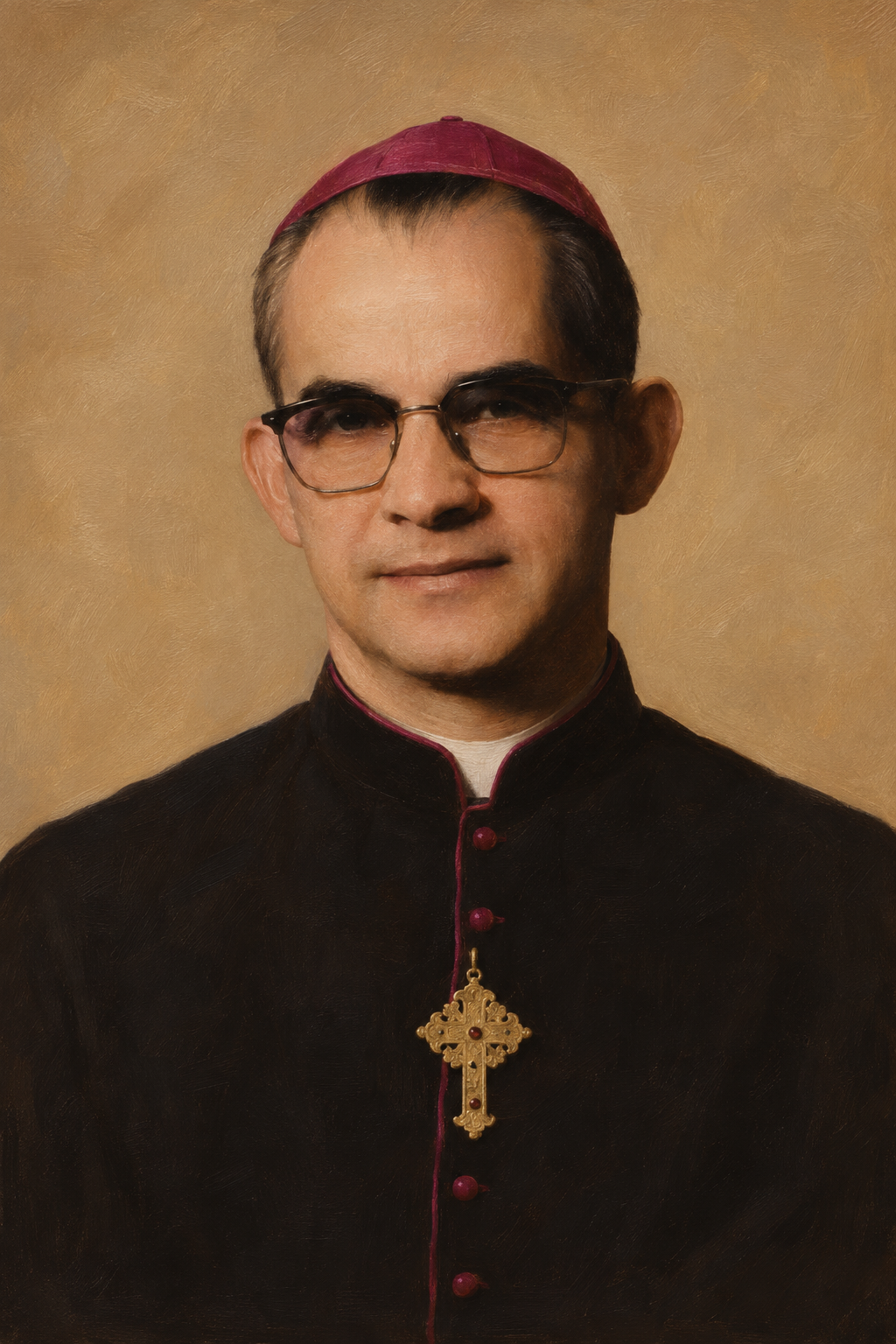
About Jesús Emilio Jaramillo Monsalve
Jesús Emilio Jaramillo Monsalve was a Colombian missionary priest and the first bishop of the Diocese of Arauca. He was born at Santo Domingo, Antioquia, on February 14, 1916, to Alberto Jaramillo and Cecilia Monsalve. He entered the mission seminary at Yarumal as a boy and later joined the institute formed there. Ordained on September 1, 1940, he first served at Sabanalarga. Teaching and formation soon became important responsibilities. He studied dogmatic theology at the Pontificia Universidad Javeriana in Bogotá while also serving as chaplain to women imprisoned at El Buen Pastor. After completing his studies, he returned to Yarumal as a spiritual director and later novice master. Other offices included seminary rector and leadership in Buenaventura. In 1959 he became superior general of the Yarumal missionaries. His work therefore brought together scholarship, formation, prison chaplaincy and the responsibilities of directing a missionary institute before his appointment to Arauca. His doctoral thesis examined the freedom of Jesus Christ in the thought of Thomas Aquinas.
In Arauca he ministered amid violence, injustice and considerable material need. His pastoral concern included farmers, Indigenous communities and families living far from established services. He created parishes and supported institutions intended to assist people as well as provide religious instruction. The San José Obrero institute at Saravena offered human and Christian formation for rural people. Another pastoral initiative, known as Equipo del Indio, worked among the Indigenous communities of the Sarare region. His official biography emphasizes the defense of human dignity and the rights of poor people. The responsibilities were carried across a large territory rather than concentrated in a single urban parish. In 1984 the apostolic vicariate became a diocese, and Jaramillo became its first residential bishop. The change gave a new ecclesiastical form to a local Church whose communities and needs had already occupied years of his missionary service.
A priest who had traveled and worked with him, Carlos Leal, left a detailed remembrance at the time of his funeral. Leal recalled a bishop who wore a poncho, usually traveled by bus and accepted the hammocks, improvised beds and ordinary food available during visits. He remembered humor at the table as well as a regular habit of prayer before beginning parish work. Their collaboration helped develop the San José Obrero institute with support from Misereor. Courses included first aid and agricultural skills, and local leaders learned to maintain medicine chests in their settlements. Leal also described the hospital established with the Hospitaller Brothers of Saint John of God. In his account, these projects answered needs that became evident through repeated travel and conversation. Recruiting priests and religious sisters for growing settlements was another continuing concern. The interview preserves the recollections of a close colleague, rather than an impersonal summary of offices held. Leal described the different zones of the diocese, from colder highland communities to the plains, and remembered the bishop seeking pastoral help for each of them.
Jaramillo's appointment as apostolic vicar dated from November 1970. Almost nineteen years later, a pastoral visit ended in his abduction. On October 2, 1989, armed men seized him near Fortul along with companions who were traveling with him. His body was found the following day. The Church remembered him as a pastor committed to reconciliation and respect for life. Fides later recalled that he had spoken to the agency about the difficult conditions of the region, including population movements and the effects of oil exploitation. Violence, smuggling and drug trafficking further complicated the setting in which the local Church worked. His death at seventy-three cut short a ministry whose practical concerns had included education, healthcare and the needs of communities experiencing rapid change.
His remains were buried in Arauca's Santa Bárbara cathedral. During preparations for beatification in 2017, they were exhumed under the legal and forensic procedures requested for identifying the body and examining the injuries that caused death. The diocese prepared a chapel within the cathedral where the remains could be accessible for veneration. A report from the Colombian bishops' conference recorded both the work of the forensic specialists and the preparations for the ceremony at Villavicencio. That careful identification belonged to the later history of his cause, rather than to the events of his life. The cathedral consequently became a continuing place of remembrance for the community he had led.
Pope Francis beatified Jaramillo and the priest Pedro María Ramírez Ramos at Villavicencio on September 8, 2017. The homily placed their recognition within an appeal for Colombians to leave violence and resentment behind. Francis called for concrete reconciliation while explicitly rejecting the concealment or acceptance of injustice. For Catholics, Blessed Jesús Emilio Jaramillo remains a witness to missionary service carried out among people whose lives were marked by hardship and conflict. The educational and medical initiatives remembered by his colleagues show the daily responsibilities behind that public recognition.
Wondering how to weigh the stories and sources? Learn how to read a saint biography.