Biography
Joseph of Arimathea
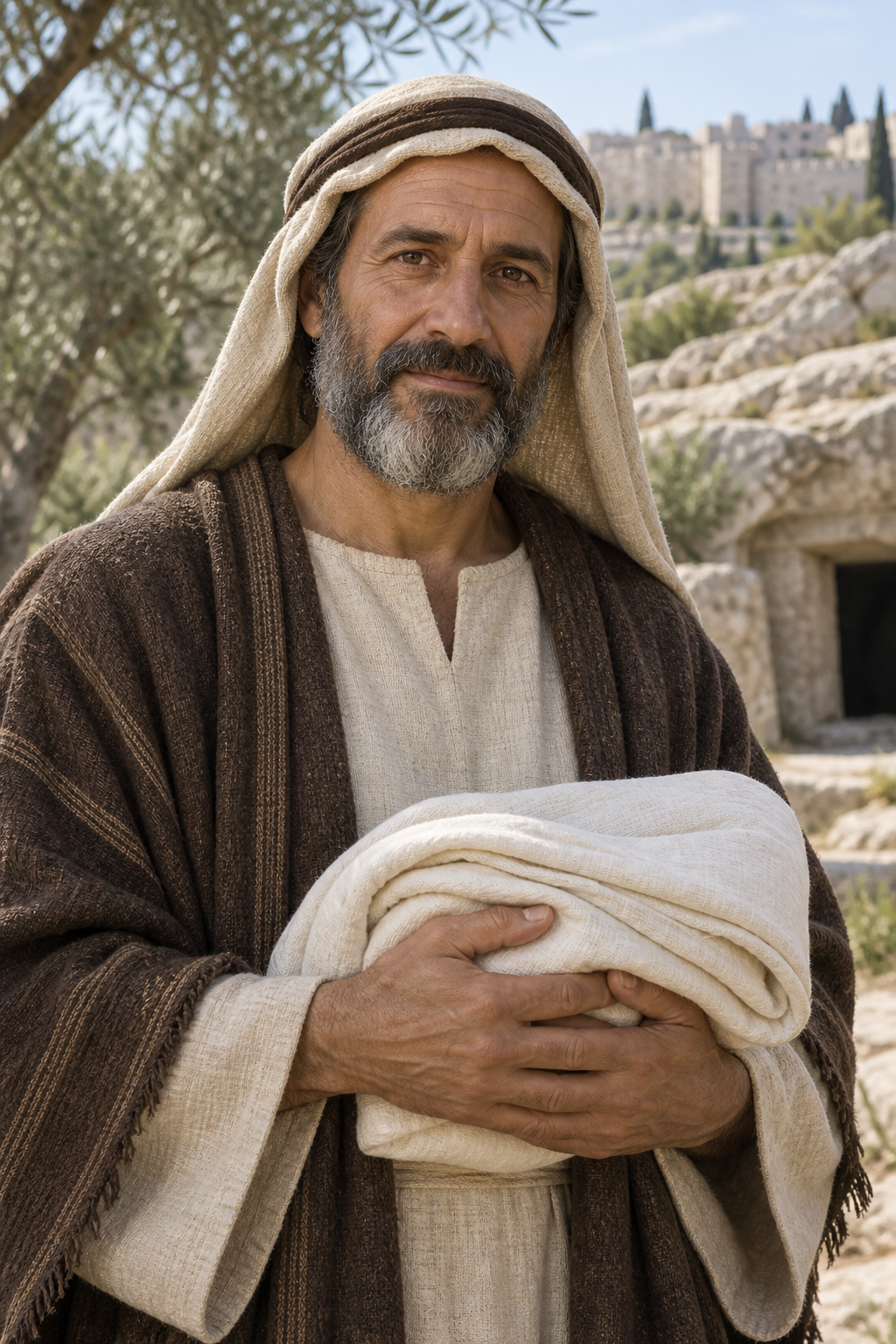
About Joseph of Arimathea
Joseph of Arimathea appears in each Gospel's account of Jesus' burial. The descriptions differ, leaving readers with several portraits of a man remembered for care at a moment of loss.
Mark calls him a respected council member awaiting God's kingdom; he asks Pilate for Jesus' body, which Pilate releases after consulting a centurion. Matthew describes a wealthy disciple who provides his own new tomb. Luke says Joseph had not agreed with the council's action. John presents a secret disciple working with Nicodemus, using burial cloths and spices, and placing Jesus in a nearby garden tomb.
Much later, Joseph became part of Glastonbury's story. William of Malmesbury's twelfth-century account associated its old church with early disciples; the identification of its founder as Joseph developed afterward. Further legends connected him with the Holy Grail and made him a relative of Jesus. A life composed around 1520 linked Joseph with a flowering thorn; a later story made it grow from his planted staff. These are stages in the growth of a tradition, not evidence for Joseph's travel, family, or death in Britain.
Glastonbury also became associated with King Arthur and Guinevere. Joseph's story belongs to this later world of sacred origins and Arthurian romance, centuries removed from the Gospel narratives. The associations remain important to people who visit the abbey and value its spiritual heritage.
Christian communities continue to remember Joseph in worship. The Episcopal Church's collect for his commemoration asks for courage and sincere devotion in serving Jesus. It is a later prayer inspired by his example, not a prayer recorded from Joseph himself.
Wondering how to weigh the stories and sources? Learn how to read a saint biography.
Prayers for Joseph of Arimathea
Joseph of Arimathea: sourced prayer excerpt
Grant to us, your faithful people, grace and courage to love and serve Jesus with sincere devotion…