Biography
Lawrence of Brindisi
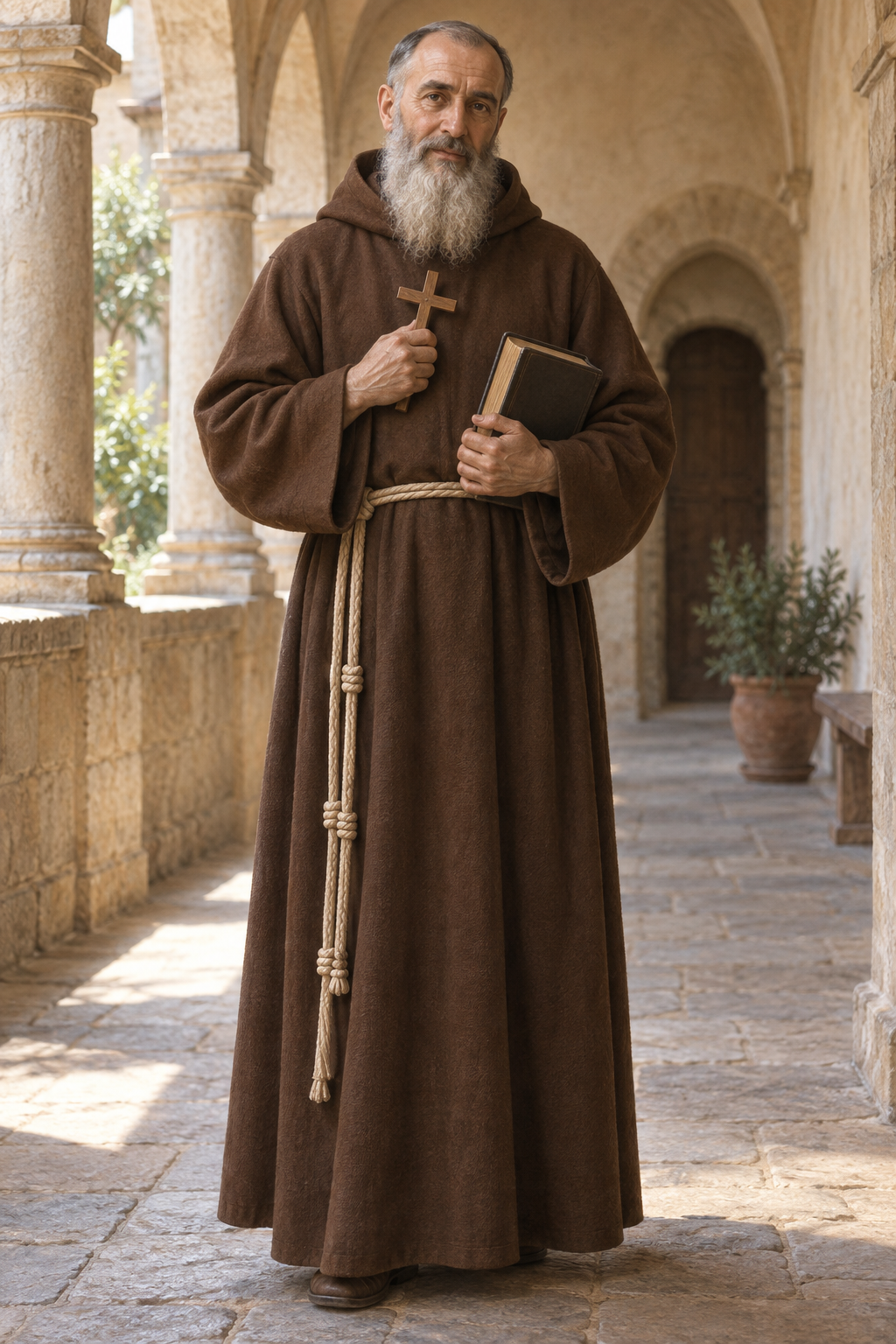
About Lawrence of Brindisi
Lawrence of Brindisi is remembered as a Capuchin friar whose learning and pastoral energy were placed at the service of the Church. Benedict XVI’s audience on Lawrence stresses his broad knowledge of Scripture and languages, but it does not portray scholarship as a private accomplishment. The Pope presents him as a preacher who drew from Scripture in order to make the Gospel intelligible and compelling to the people he served.
His preaching and writing belong together. The source describes an extensive body of works, especially sermons, in which biblical interpretation and spiritual exhortation were closely linked. This provides a safer account than claims about particular debates or audiences that require separate evidence. Lawrence’s theological legacy lies in an approach that treated the word of God as a source for Christian formation, prayer, and moral renewal.
Lawrence also served in positions of leadership among the Capuchins. Such responsibilities placed him in a wider network of ecclesial and political relationships. Benedict notes a diplomatic mission to Lisbon. The source supports the fact of that mission, but it does not warrant an exhaustive reconstruction of negotiations, motives, or results. A reliable account recognizes diplomatic service as part of his vocation without turning it into unsupported political drama.
The combination of preaching, writing, leadership, and diplomatic work may seem unusual, yet Benedict presents them as expressions of a single religious commitment. Lawrence’s learning was meant to serve faith; his public responsibilities were approached as service rather than personal advancement. That unity helps explain why later Church memory calls him a figure of apostolic zeal.
Lawrence died in 1619. His later reception is historically clear: he was canonized in 1881 and named Doctor Apostolicus in 1959. The title recognizes his teaching and its lasting value for the universal Church. It does not imply that every word attributed to him has equal authority, but it identifies a body of spiritual and theological work the Church has judged especially significant.
The sources in this packet support a focused portrait. Lawrence was a Capuchin preacher and scholar, a religious leader who undertook diplomatic service, an author, and a Doctor of the Church. Exact details of his early life and each mission need separate verification before insertion as structured catalog facts. The evidence already makes clear why he is remembered: he joined intellectual discipline to a missionary desire that faith be understood, lived, and shared.
Scriptural learning was at the center of that work. Benedict’s account describes Lawrence’s knowledge of languages and the Bible as resources for preaching, not as accomplishments detached from people. A sermon can connect learning with the concrete needs of a congregation: teaching, consolation, moral challenge, and prayer. This is the strongest way to understand the relationship between Lawrence’s scholarship and his pastoral energy.
His writings continue that same pattern. The surviving body of sermons and theological work indicates a teacher who wanted Christian doctrine to be contemplated and lived. The source does not permit a detailed inventory of every text or audience. It does support the conclusion that his teaching was substantial enough for the Church later to recognize it through the title Doctor Apostolicus.
Leadership among the Capuchins required a different kind of service. Religious communities depend on shared discipline, trust, formation, and the ability to make difficult decisions for a common mission. Lawrence’s roles brought him into that responsibility. The source’s picture of a preacher and superior should not be divided into public achievement on one side and spiritual life on the other; both are presented as expressions of a Capuchin vocation.
The Lisbon mission shows that Lawrence’s service could also enter public affairs. Diplomacy in a religious context requires caution, and the packet does not reconstruct motives or outcomes beyond the source. It is enough to note that Church and civil leaders entrusted him with such a mission. The episode helps explain the breadth of his later reputation while keeping the account free of unsupported political narrative.
Canonization in 1881 and the Doctor title in 1959 are later Church judgments about reception. They do not make Lawrence a timeless expert on every issue, but they identify a body of teaching and a pattern of service considered valuable for the wider Church. His legacy invites intellectual discipline joined to humility: knowledge should become a means of announcing the Gospel and serving people, not a means of self-importance.
The resulting portrait is deliberately bounded but complete enough for public readers: Lawrence was a Capuchin scholar, preacher, leader, diplomat, and later Doctor of the Church. His learning was directed toward pastoral proclamation and service. It remains a durable model of study ordered to generous Christian care.
Wondering how to weigh the stories and sources? Learn how to read a saint biography.