Biography
Leonardo Pérez Larios
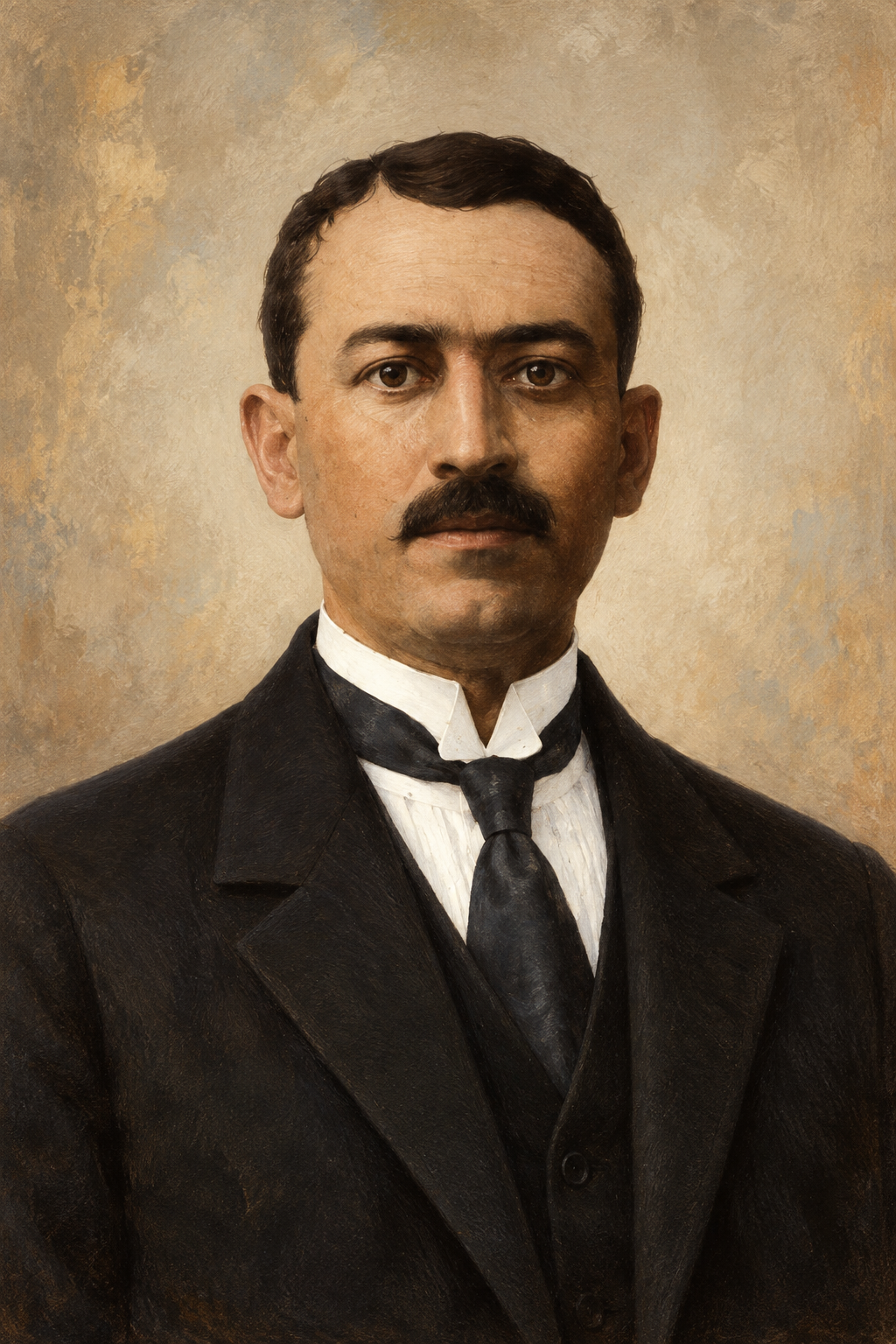
About Leonardo Pérez Larios
Leonardo Pérez Larios worked in the clothing trade in León, Mexico. He and his brothers were employed at La Primavera, and he later tried opening a shop of his own. When that business failed, he returned to his former workplace. The diocesan account remembers him caring for an employer during illness as well as serving customers and arranging merchandise. His duties included managing garments sent to seamstresses and preparing shop-window displays.
Pérez was born at Lagos de Moreno on November 28, 1883, according to the Vatican’s original announcement of his martyrdom decree. A later account in Acta Apostolicae Sedis instead gives 1891. The San Juan de los Lagos diocesan history supports 1883 with a baptism date that December and a chronology of his siblings.
Pérez considered religious life but remained with his family to support two sisters. His brother Alfonso entered the Missionaries of the Holy Spirit. For Leonardo, paid work and obligations at home remained part of his life as a lay Catholic. He joined a Marian association whose members made temporary private promises of chastity. This commitment did not make him a professed religious. He also shared his resources with poor people and religious communities in need.
During the religious persecution, he attended worship in the Alba household, where the Claretian priest Andrés Solá was staying. Pérez was arrested there and mistaken for a priest because of his dark clothing and devotional practices. He denied being a priest while identifying himself as a Catholic.
On April 25, 1927, he was killed at Rancho de San Joaquín with Solá and the diocesan priest José Trinidad Rangel. The Catholic Church recognized their deaths as martyrdom in 2004.
The three were beatified in Guadalajara on November 20, 2005.
Guadalajara remembers Pérez in its November 20 memorial of Blessed Anacleto González Flores and companions.
Their shared remembrance continues in Mexico. On April 25, 2026, the Claretians opened a jubilee year in Silao ahead of the centenary of their deaths. The gathering brought together laypeople and clergy, with visits to the martyrs’ chapel and a youth vigil at Rancho San Joaquín.
Wondering how to weigh the stories and sources? Learn how to read a saint biography.