Biography
Livinus
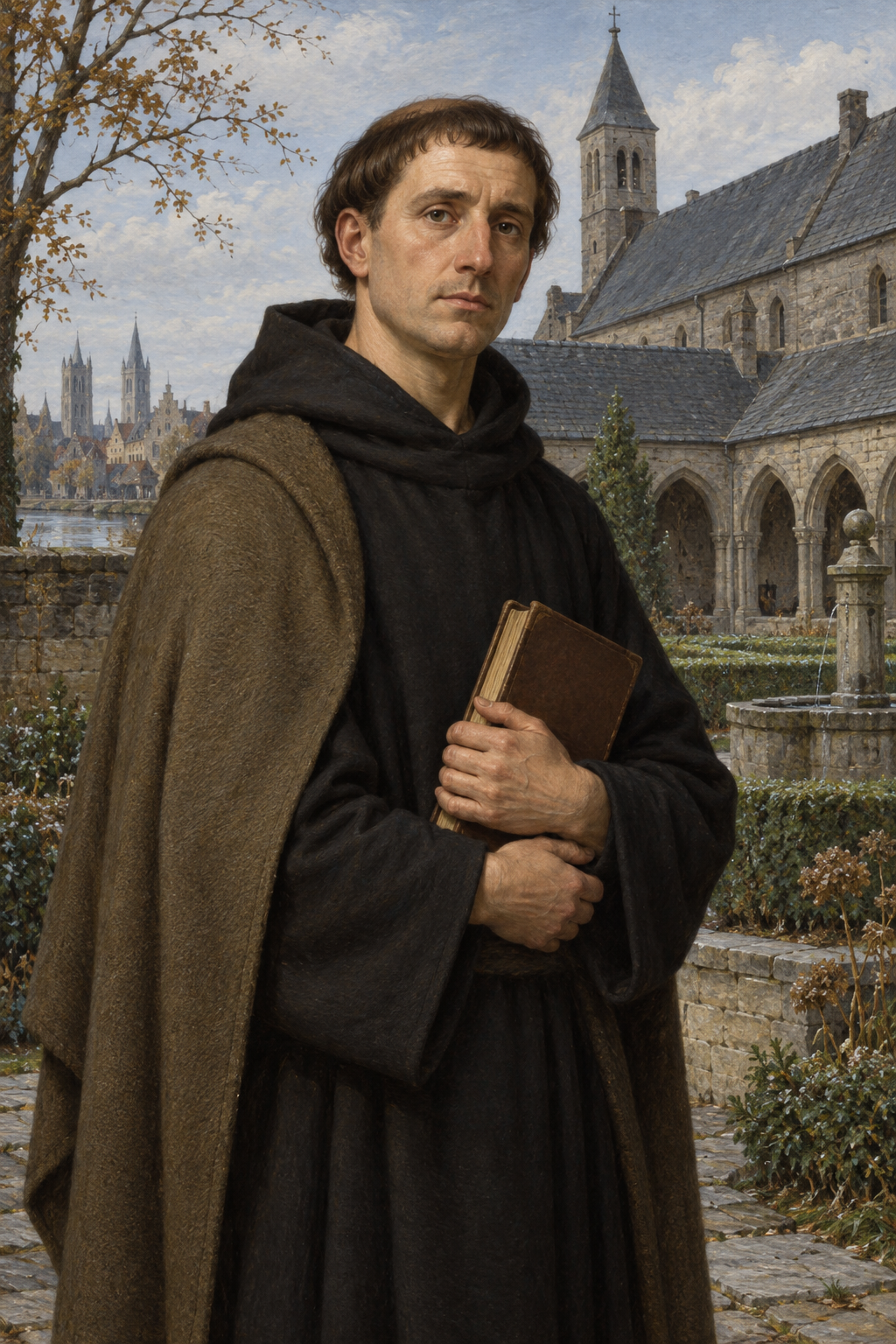
About Livinus
Current parish sources identify Livinus, also called Lieven, as a patron in the Ghent region and give November 12 as his feast. A parish notice records patronal celebrations across November 12 and 13. This evidence supports a continuing local cult and its November 12 date; it does not establish the traditional seventh-century biography.
The medieval evidence is late. David E. Thornton’s Oxford Dictionary of National Biography entry reports an early eleventh-century letter by Abbot Othelbold listing Livinus among saints associated with Ghent and a detailed Vita composed around 1050. Thornton considers the biographical sources late and of doubtful reliability. Synnøve Midtbø Myking likewise says veneration is not securely traceable before the alleged transfer of relics to St Bavo’s Abbey around 1007, and raises the possibility that the cult was constructed by the abbey’s monks. These sources document the emergence of a cult, not a securely recoverable seventh-century life.
Livinus shares November 12 with Lebuinus of Deventer, and scholars have discussed whether the Ghent figure is a doublet or conflation. Thornton raises the possible relationship, while Myking reads a Næstved calendar entry as probably Flemish Livinus. The evidence does not settle whether there was a distinct historical person. This record retains the local Livinus cult without merging it with Lebuinus or asserting the traditional mission, episcopacy, martyrdom, or miracle stories as fact.
The inherited November 12 Roman Catholic field is not supported as a universal Roman Martyrology date: a search of the Italian Bishops’ Conference 2004 typical edition found no Livinus, Lieven, or Lebuinus entry. November 12 is retained as a local observance based on parish evidence. No birth or death date or place is established by the sources reviewed.
Wondering how to weigh the stories and sources? Learn how to read a saint biography.