Biography
Luis Padilla Gómez
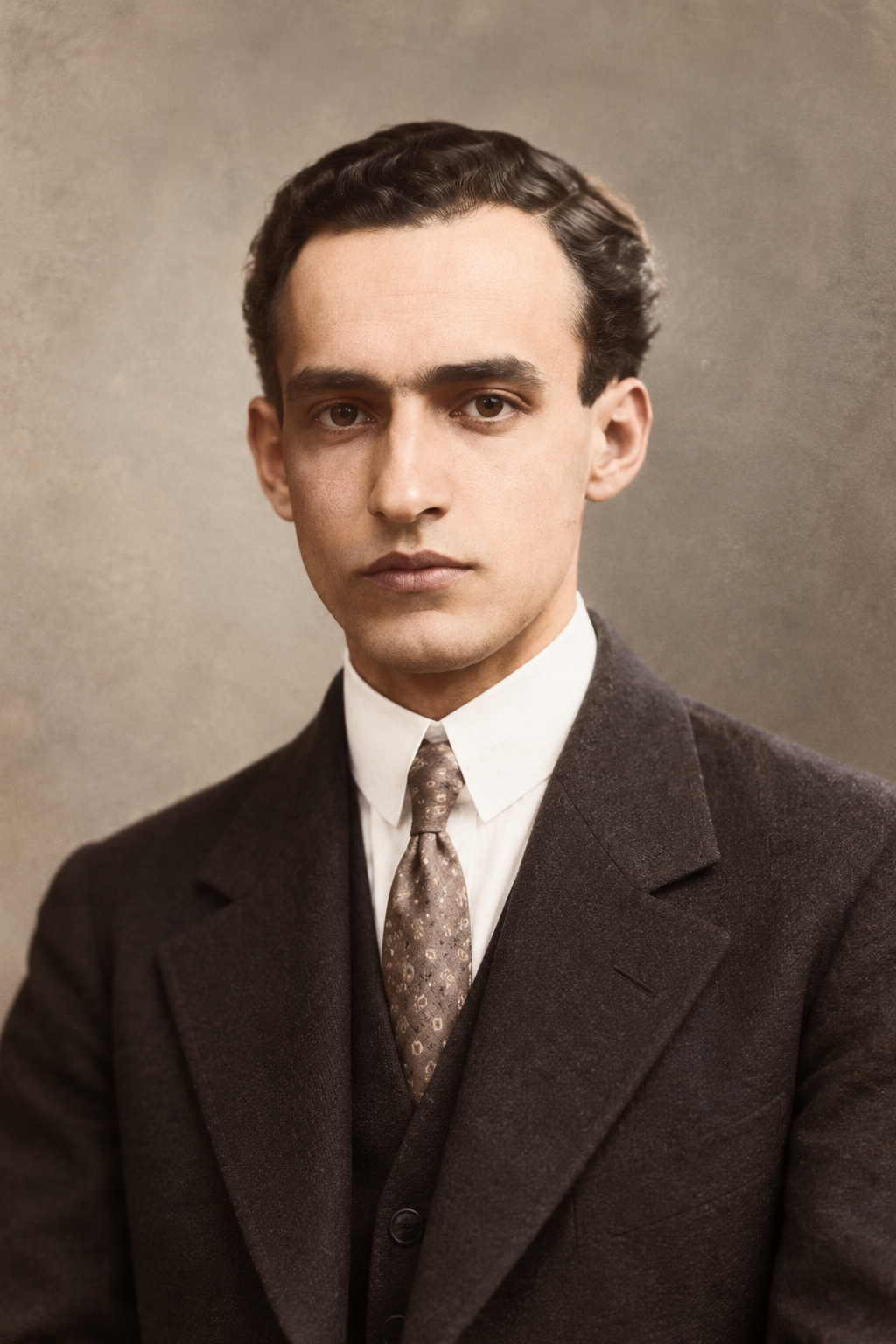
About Luis Padilla Gómez
Luis Padilla Gómez was a teacher and Catholic lay organizer in Guadalajara. He was born there on December 9, 1899, and studied at Tomás Fregoso’s school and a Jesuit institution. He later entered the diocesan seminary, but left in 1921 while discerning his vocation. He continued his religious work outside the priesthood and became diocesan president of the Catholic Association of Young Mexicans.
His grandnephew Luis Macedo Padilla preserved a family account of his life. It describes a household supported by his widowed mother, Mercedes, and remembers his visits to relatives in Colima. After leaving the seminary, he gave free lessons to children and young people from poor families. He also taught literature and enjoyed poetry.
His teaching also reached adolescents preparing to enter the Catholic youth association. Historian Tomás de Híjar Ornelas identifies this preparatory group as the Vanguardia. Padilla attended intellectual gatherings at the home of the priest Ignacio González Hernández, where religious and philosophical questions were discussed.
Padilla served as secretary of the Unión Popular, working with Anacleto González Flores. He spoke in study circles and traveled through Jalisco to promote its work. Macedo’s account reproduces a February 1927 letter from Ameca in which he reassured his mother during one of these journeys. The same account records his hope of returning to the seminary in 1926, when religious persecution had dispersed its community.
Híjar places these educational disputes within government restrictions on religious teaching in Jalisco. Catholic organizations responded by supporting clandestine schools and encouraging families to withdraw children from official schools. Padilla promoted the archbishop’s position in that campaign. His organizing therefore involved decisions about schooling as well as the religious formation offered through youth groups.
The political situation also changed. Híjar describes his participation in campaigns against official schools and his support for the Unión Popular’s eventual adherence to the League’s call for active resistance. This places his earlier peaceful organizing within a changing political situation.
Police arrested him at his family home on April 1, 1927. His mother and sister were also detained. Taken to the Cuartel Colorado, he was killed that day alongside González Flores and the brothers Jorge and Ramón Vargas González.
His remains were moved to the church of San Agustín in 1952 and to San José de Analco in 1981. These later transfers formed part of the local remembrance of his life.
His recognition as a Catholic blessed followed a formal church investigation. The apostolic letter records the Guadalajara inquiry beginning in 1994 and the martyrdom decree in 2004. The beatification took place in Guadalajara on November 20, 2005, with Cardinal José Saraiva Martins acting under Benedict XVI’s authority. The letter authorized an annual November 20 observance within the places and rules established by church law.
The Catholic Church remembers Padilla among the blessed Mexican martyrs. An archdiocesan circular names him in the group commemorated in Guadalajara on November 20, distinguishing that liturgical observance from a separate popular celebration.
Wondering how to weigh the stories and sources? Learn how to read a saint biography.