Biography
Malachi
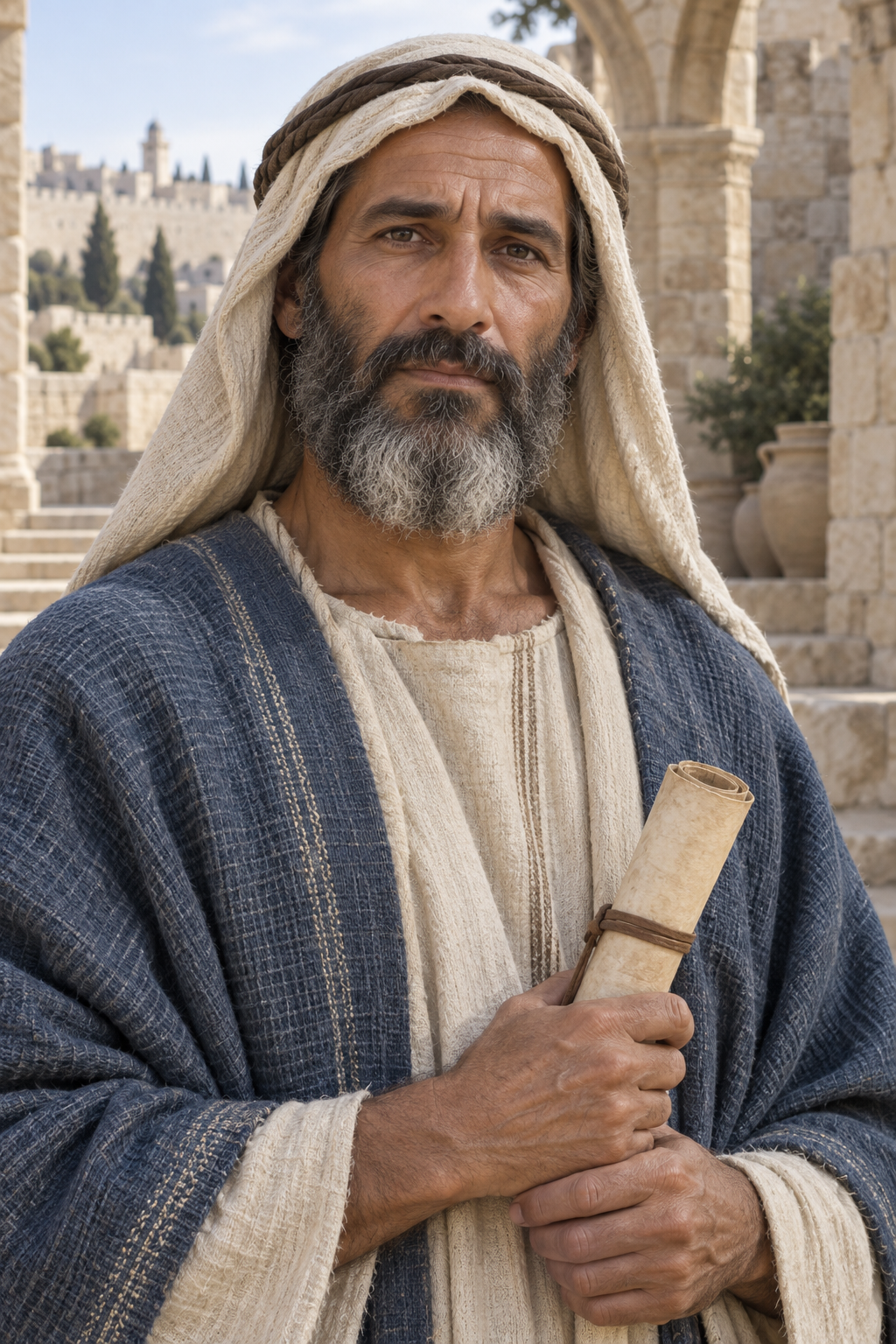
About Malachi
Malachi is the conventional name for the prophetic voice behind the final book of the Twelve Minor Prophets in Christian Old Testament order. The book opens with an oracle delivered to Israel through Malachi, but the Hebrew expression can mean “my messenger.” The USCCB introduction notes that many scholars therefore regard it as a title or pseudonym and consider the writer's personal name unknown. This uncertainty sets the limits of a responsible biography. No source supplies parents, childhood, occupation, travels, or circumstances of death. What can be described is the setting, public argument, and later reception of the book associated with this prophetic identity.
The work belongs to the Jewish community after the Babylonian exile. Its concern with a functioning temple, priests, sacrifices, and a provincial governor points to Persian-period Judah. The USCCB introduction places composition possibly before Nehemiah's first return to Jerusalem in 445 BCE, during his activity there, or later. That range does not justify the inherited database dates of 500 BCE for birth and 450 BCE for death. A book's approximate date is not a human lifespan. This packet consequently leaves both dates unknown and marks the postexilic setting as probable rather than converting literary context into false precision.
Malachi's first dispute begins with Israel questioning divine love. The prophetic response contrasts Israel with Edom and then turns toward worship. Priests accept blind, lame, or sick animals for sacrifice, offerings that the law had forbidden. The book asks whether a governor would accept such gifts and even imagines the temple doors shut rather than worship continued carelessly. The criticism is concrete: religious leaders and worshipers have treated the altar as burdensome and offered what cost them little. The passage presents integrity not as private feeling but as correspondence between public devotion and the quality of what people actually give.
The second chapter addresses priestly teaching. It recalls an ideal in which a priest's lips preserve knowledge, instruction is reliable, and many are turned away from wrongdoing. Against that standard, the priests show partiality and cause others to stumble. Malachi therefore treats teaching as a public trust whose corruption harms a community. The prophet's rebuke also explains why the title messenger operates on several levels in the book: priests should be messengers, the prophetic voice delivers an oracle, and a future messenger is promised. The text does not permit these figures to be collapsed automatically into one historical individual.
Malachi next connects covenant language with conduct inside households. The book condemns faithlessness, including men who divorce the wives of their youth while continuing to cover the altar with offerings. Its ancient discussion also reflects postexilic concern about marriage across religious boundaries. Modern readers should not detach a single line from that setting or use it to erase the safety and dignity of spouses. The text's central accusation is hypocrisy: worship cannot repair betrayal while the betrayal continues. The prophetic voice calls the wife a companion and covenant partner, language that makes personal fidelity part of communal religious responsibility.
Another dispute concerns justice. Some speakers complain that evildoers prosper and ask where the God of justice is. The response promises a messenger who prepares the way and a coming purification compared with a refiner's fire. Judgment then names recognizable harms: perjury, withheld wages, oppression of widows and orphans, and exclusion of resident aliens. The list prevents the promised future from becoming mere speculation. Expectation is tested by present treatment of workers and vulnerable neighbors. Later Christian texts applied the messenger language to John the Baptist, while the USCCB note acknowledges multiple readings within the passage itself.
The book also accuses the community of withholding tithes and contributions needed for the storehouse. It calls for return and promises agricultural blessing. This passage has often been quoted as a general formula for personal prosperity, but its immediate setting concerns communal obligations, temple support, harvest, and the consequences of neglect. Malachi's wider argument keeps gifts, instruction, family fidelity, wages, and care for vulnerable people together. Reform is not reduced to one payment. The book confronts the cynical claim that service is useless by describing a community that remembers, speaks with one another, and remains accountable.
The closing verses look toward a decisive day while recalling the law of Moses. They promise Elijah before that day and describe his work as turning the hearts of parents and children toward one another. Jewish tradition read Elijah's return literally; Christian Gospel traditions connected the expectation with John the Baptist. Those later interpretations are historically important reception, not evidence that Malachi personally met Elijah or John. The ending joins memory and hope: Israel is told to remember received instruction while expecting reconciliation across generations. This provides a stronger account of the book's bridge between eras than the unsupported claim that no prophetic voice existed afterward in any sense.
Eastern Orthodox tradition venerates the prophetic identity as the Holy Prophet Malachi and commemorates him on January 3. The title and feast document a living ecclesial reception, but they do not settle whether Malachi was a personal name or establish the biographical stories sometimes added in later retellings. No prayer is stored because the reviewed OCA hymn is a copyrighted liturgical text and was not established as reusable catalog copy. The short quotation in this packet comes from the biblical prophetic voice and is attributed to the Book of Malachi rather than presented as independently recorded speech.
Malachi remains significant because the book directs religious expectation toward observable responsibilities. It challenges compromised offerings, partial teaching, broken covenants, withheld wages, and neglect of people with less power. It also preserves hope for purification and reconciliation without supplying a recoverable private life for its speaker. A historically careful profile therefore resists inventing a final Old Testament prophet's childhood or death. It honors the text by attending to what survives: a postexilic community under criticism, a prophetic argument joining worship with justice, and images of messenger, refiner, remembered law, and hearts turned again toward one another.
Wondering how to weigh the stories and sources? Learn how to read a saint biography.