Biography
Manasseh of Farshut
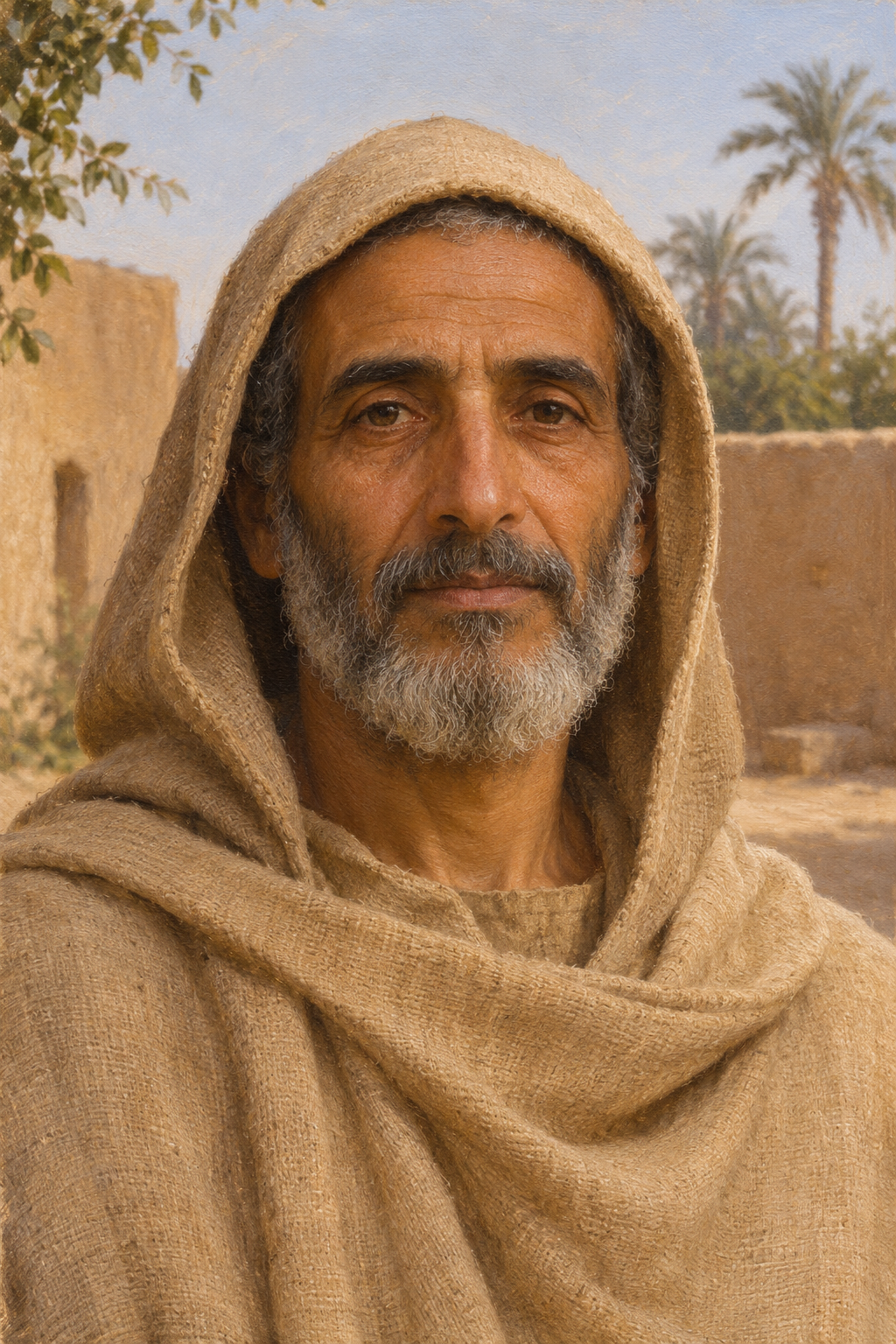
About Manasseh of Farshut
Manasseh is remembered as a sixth-century archimandrite linked to the Pachomian tradition in Upper Egypt. The Coptic Encyclopedia says the Synaxarion does not preserve a notice for him. His life survives in fragments of a Coptic encomium, about forty pages in the edition cited by the encyclopedia. The text suggests that Manasseh may have been from Alexandria and had lost his mother six years before becoming a monk. It gives no secure date of birth or death.
The encomium places Manasseh first in the community of Saint Pachomius. He later founded a monastery south of Farshut, opposite Perpe, a village remembered in the text as having been burned by Cambyses. The source does not tell us how old Manasseh was when he entered monastic life. It says he traveled north often to visit his kinsman Abraham of Farshut, connecting the two ascetics across separate monastic communities.
A bishop of Diospolis Parva, or Hiw, came to consecrate the monastery church and preached at the ceremony. The encomium also says Manasseh received nuns from a Pachomian convent who sought the protection of his prayer. He built a convent for them with a tower. These details offer a glimpse of relationships among men’s and women’s monastic houses in the sixth century: the narrative remembers a community that could provide space and support for women seeking religious life.
The Coptic Encyclopedia treats the encomium as important evidence for Egyptian monasticism at the beginning of the sixth century, even though Manasseh’s chronology remains obscure. Its surviving fragments preserve a founder, a relative who visited him, a church consecration, and a protected women’s house. They do not establish the later stages of his life or the circumstances of his death. Manasseh is remembered through the institutions and relationships attached to his name rather than through a continuous personal narrative.
Wondering how to weigh the stories and sources? Learn how to read a saint biography.