Biography
Margaret Mary Alacoque
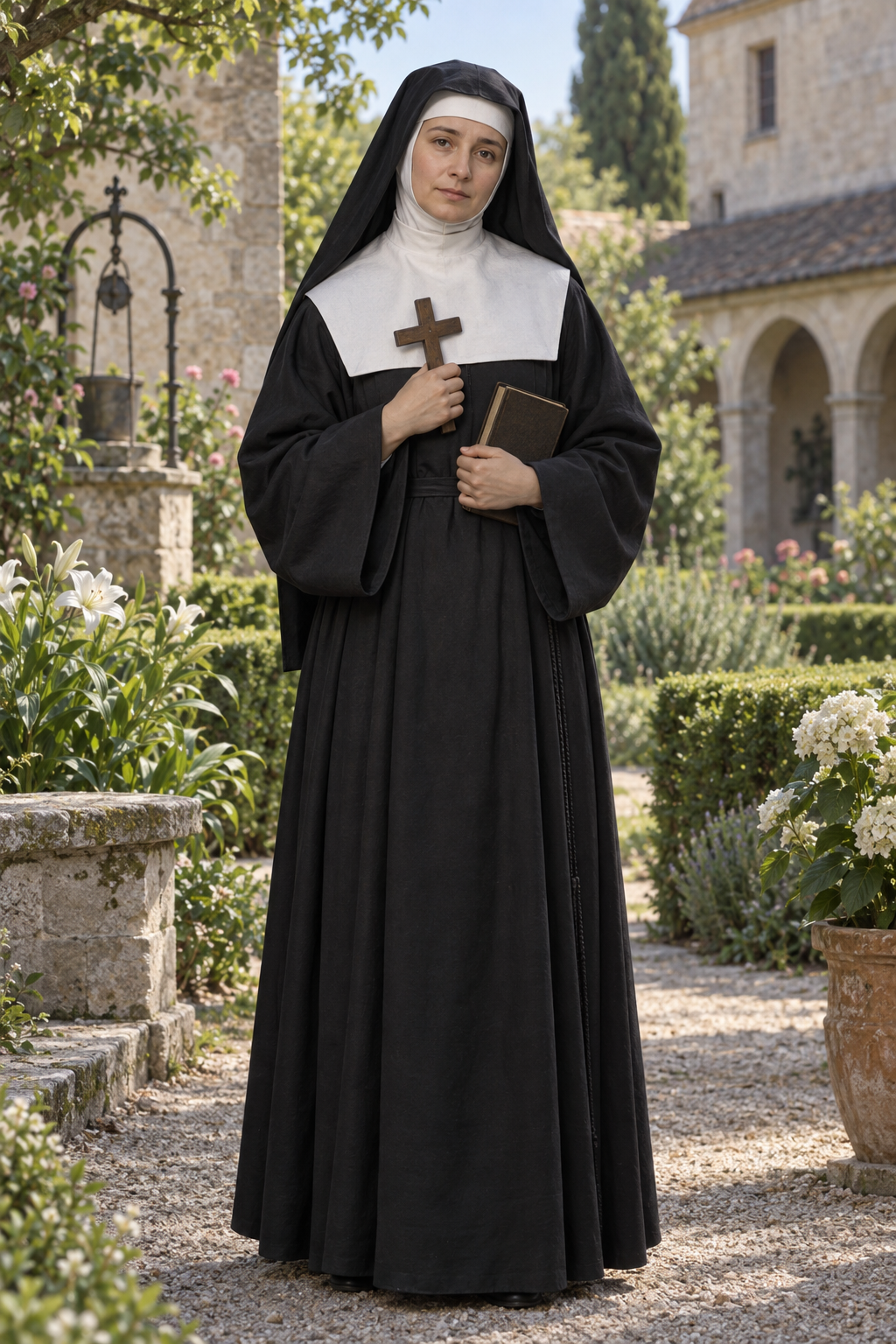
About Margaret Mary Alacoque
Margaret Mary Alacoque was a Visitation nun at Paray-le-Monial who became a central figure in the Catholic reception of devotion to the Sacred Heart of Jesus. A Vatican biography of Saint Claude La Colombière identifies Margaret Mary as a religious sister whose reported communications were received with support and discernment from Claude. The source’s language matters: it presents what she believed and reported, not a set of modernly documented external events.
The reported experiences are traditionally understood as invitations to contemplate Christ’s love. Their spiritual significance lies not in sensational detail but in the call to conversion, mercy, reparation, and trust. A responsible presentation should neither dismiss a believer’s testimony as irrelevant nor claim that historical method independently proves a vision. This packet calls the experiences reported religious testimony and explains their later ecclesial reception.
Claude La Colombière’s role was important because discernment in religious life is communal and ecclesial. The Vatican biography describes him as Margaret Mary’s spiritual supporter. This does not mean that he created the devotion or that she was merely a passive recipient. It identifies a relationship of counsel that helped her navigate the difficulties involved in sharing a spiritual experience.
The Directory on Popular Piety places Margaret Mary within the later development of devotion to the Sacred Heart. It recognizes the devotion’s place in Catholic prayer while also providing pastoral guidance so that such practices remain centered on Christ and connected to the liturgy. Margaret Mary’s name is therefore associated with a broad tradition, not with a private message detached from the Church’s worship.
Pope Francis’s 2024 encyclical *Dilexit Nos* cites the spiritual tradition shaped in part by Margaret Mary’s writings. Its treatment makes clear that Sacred Heart devotion is received as meditation on the love of Christ. The appropriate claim is not that Margaret Mary solved every theological question, but that her testimony helped shape a devotional language through which many Christians have prayed.
The Directory records her death in 1690. This firm date anchors a life whose private chronology requires further primary sourcing. The entry therefore refrains from asserting exact birth details, early formation, or the sequence of every reported communication. It focuses on the evidence-backed core: a Visitation nun at Paray-le-Monial gave testimony about Christ’s love, found discernment and support, and became influential in the later development of Sacred Heart devotion.
Margaret Mary’s legacy invites a careful kind of attention. Religious experiences are not objects of casual curiosity. In the Church’s reception, they are judged by whether they direct people toward Christ, prayer, charity, and communion. This packet respects that theological category while preserving the historical distinction between testimony and externally verifiable event.
The Sacred Heart tradition is centered on Christ rather than on the personality of a visionary. Margaret Mary’s reported experience is received within a broader Catholic language of divine love, mercy, repentance, and Eucharistic worship. The Directory’s pastoral guidance is important because it resists treating devotion as a detached collection of feelings or promises. Its purpose is to lead believers more deeply into Christ and the liturgical life of the Church.
The role of Claude La Colombière also illustrates why discernment matters. Religious testimony is not simply announced and accepted without question. It is heard within relationships of counsel, prayer, and ecclesial responsibility. The Vatican biography supports the fact that Claude offered Margaret Mary spiritual support; it does not make him the source of her reported communications or authorize a detailed account of every conversation between them.
Calling the experiences “reported” is therefore not a dismissal. It identifies the form of evidence accurately. A historian can document that a religious person wrote, spoke, and was received in particular ways; theological judgment concerns how the Church discerns the spiritual fruits of such testimony. The packet keeps these questions distinct so that neither faith nor historical method is misrepresented.
The death date of 1690 is a firm anchor, but it does not authorize a complete private chronology. A careful record leaves uncertain early details unclaimed and focuses on the elements supported by the cited sources: a Visitation nun at Paray-le-Monial, testimony regarding the love of Christ, discernment with a spiritual supporter, and an enduring influence on Sacred Heart devotion.
Pope Francis’s use of the tradition in *Dilexit Nos* shows that Margaret Mary’s writings remain part of a living conversation about Christ’s love. This reception does not mean every historical or theological question has been settled by devotional popularity. It shows that Christians continue to find in the tradition a language for trust, conversion, and compassionate attention to others.
For readers today, the most responsible lesson is one of discernment. Spiritual experiences should be approached with reverence, patience, and attention to their fruits. Margaret Mary’s legacy is strongest when it directs attention beyond itself: toward Christ, prayer, reconciliation, and a love that becomes concrete in the life of the Church.
Wondering how to weigh the stories and sources? Learn how to read a saint biography.
Prayers for Margaret Mary Alacoque
Love of the Sacred Heart — Prayer with St. Margaret Mary Alacoque
Saint Margaret Mary Alacoque, pray for us, that we may draw close to the Heart of Jesus.
Lord Jesus, open our hearts to your love. Teach us gratitude for your mercy, sorrow for our sins, and gentleness toward those in need.
Let our prayer become loving service, and keep us near you in joy and suffering. Amen.