Biography
Methodius of Olympus
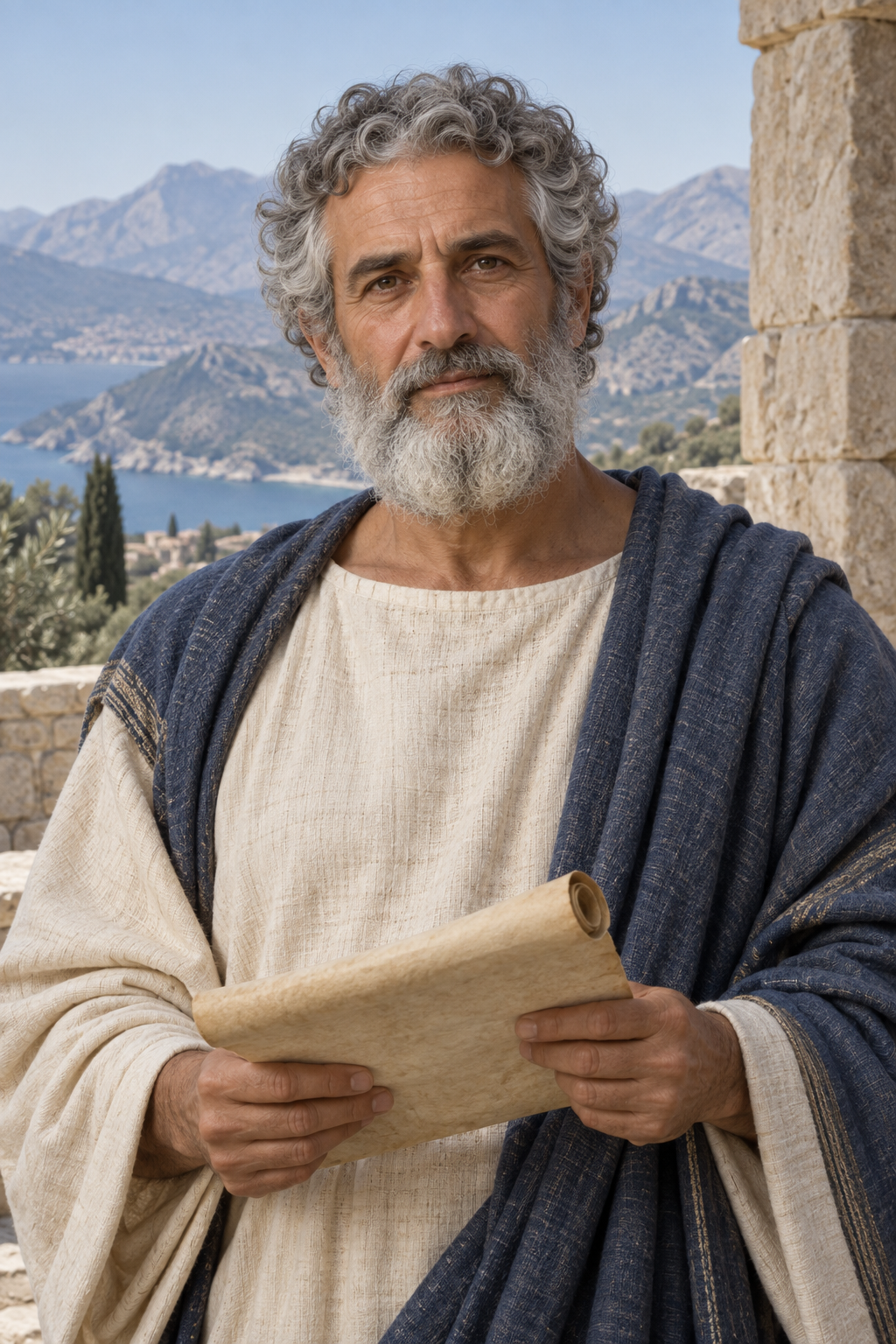
About Methodius of Olympus
Methodius is remembered as a Christian bishop and writer whose books explored disciplined living, human freedom, and the hope of resurrection. His surviving work offers a clearer introduction to him than the scattered accounts of his life. The Oxford Classical Dictionary cautions that even the tradition identifying him as bishop of Olympus and martyr is unreliable.
Jerome included Methodius in his survey of Christian writers. He praised the style of the books against the pagan philosopher Porphyry and listed works on resurrection and freedom, together with biblical commentaries. This notice presents an author engaged in substantial arguments rather than a figure known only through a martyr story. It also reports conflicting chronologies for his death, a warning against giving his final days a precision the witnesses do not provide.
The Banquet of the Ten Virgins brings his teaching into a garden. In this literary gathering, ten women speak about chastity under the guidance of Arete, the personification of virtue. The setting is welcoming: a shaded place, flowing water, food, and conversation. The women are speakers in a crafted dialogue, not a documented circle of Methodius's personal companions. Their discussion also makes room for marriage. Theophila argues that praise for virginity does not cancel the goodness of bearing children, comparing the continued light of the stars with the brighter moon.
In Concerning Free Will, Methodius turns to the troubling contrast between the order of nature and the harm people inflict on one another. A speaker has admired the sea and heavens, then encountered human violence. The conversation asks whether evil belongs to the material out of which the world is made. Orthodoxus answers through questions and examples, distinguishing a person from the wrong actions that person chooses. His invitation to another listener and appreciation of his friend's readiness make inquiry a shared undertaking. The argument refuses to make wrongdoing an unavoidable property of matter.
His discussion of resurrection uses the work of an artisan to describe restoration. A damaged image can be melted down and fashioned again by its maker without the loss of the maker's purpose. Methodius applies this comparison to the body: dissolution need not mean abandonment. He also argues that the visible world will be renewed rather than simply discarded. These images express a hope that includes embodied life and creation, not merely an escape from them.
The details of his episcopal career remain difficult to recover. Kirsch rejects Jerome's claim that he later governed Tyre and places his death probably around 311. Neither his birth date nor a secure childhood narrative is supplied by that study. The Orthodox Church in America's received life instead gives 312 and remembers him as bishop of Patara.
The Italian bishops' martyrology page commemorates him as bishop of Olympus and martyr. It remembers the elegance of his writing alongside the tradition of his death in persecution. Yet his own literary voice remains distinctive in the patient exchanges of his dialogues. In the search for an explanation of evil, his characters ask to understand one another, and the discussion proceeds through answers rather than a string of accusations.
Wondering how to weigh the stories and sources? Learn how to read a saint biography.
Explore similar vocations
Prayers for Methodius of Olympus
Methodius of Olympus: sourced prayer excerpt
pray that we may be saved.